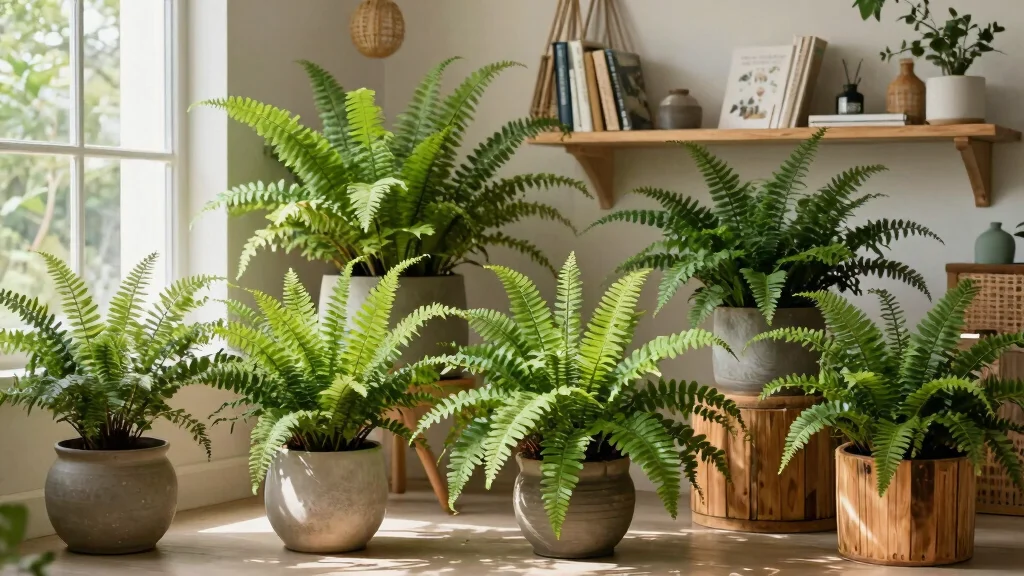
If you’ve been dreaming of bringing a lush, green vibe into your home, then Boston ferns are your go-to plant. Their feathery fronds not only look stunning but also thrive in humid environments, making them ideal for indoor spaces. I created this post because I know how challenging it can be to keep indoor plants happy, especially when it comes to moisture retention. Boston ferns, while beautiful, require specific care to flourish. You might be wondering how to choose the right planter that keeps their soil moist for longer, and that’s exactly what we’re diving into.
This post is for anyone passionate about indoor gardening, whether you’re a seasoned plant parent or just starting out. If you adore ferns and want to elevate your plant game, you’re in the right place. I’ve gathered a collection of 14 creative Boston fern planter ideas that not only look great but also help retain moisture. These ideas range from trendy self-watering systems to charming upcycled containers. By the end of this article, you’ll have plenty of inspiration to keep your Boston ferns thriving and your indoor space feeling fresh and inviting.
Let’s explore these planter designs that will keep your ferns happy and your home looking fabulous!
Key Takeaways
– Explore Various Planter Designs: Discover 14 unique ideas for Boston fern planters that help in moisture retention, including modern ceramic pots and self-watering planters.
– Learn About Moisture Retention: Understand the importance of keeping the soil moist for Boston ferns and how the right planter can enhance moisture retention.
– Get Creative with Containers: Dive into fun and eco-friendly options like upcycled containers and biodegradable planters, perfect for any indoor gardening enthusiast.
– Incorporate Vertical Gardens: Consider creative vertical garden setups that not only save space but also keep your ferns accessible and visually appealing.
– Combine Ferns with Other Plants: Find out how to pair your Boston ferns with herbs or other indoor plants for a stunning display that maximizes both beauty and functionality.
1. Modern Minimalist Ceramic Pots
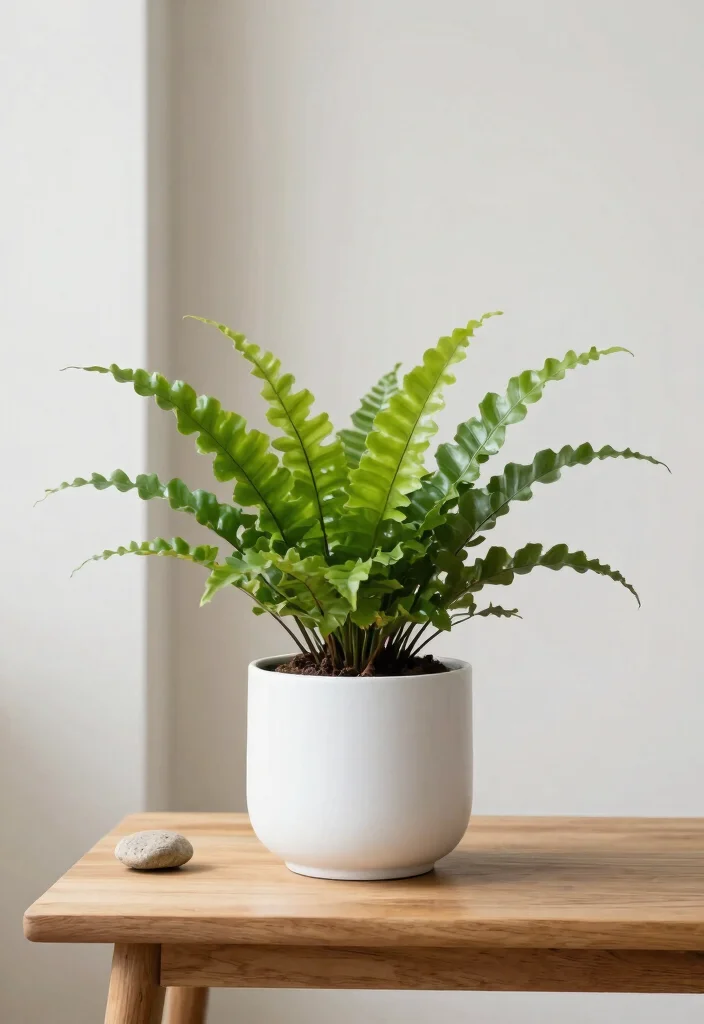
Discover the beauty of modern minimalist ceramic pots that combine style with functionality. These pots not only add a contemporary touch to your decor but also feature thicker walls for superior moisture retention. Imagine your Boston fern thriving in a chic, well-designed pot that matches your aesthetic.
When selecting a pot, find one that suits the size of your fern. Be sure it has a drainage hole to prevent soggy roots. To boost moisture retention, add pebbles at the bottom of the pot before filling it with soil, promoting air circulation around the roots.
Key features to consider:
– Arrange ferns at different heights for visual interest.
– Choose glossy or matte finishes to complement your decor.
– Check soil moisture by inserting your finger; only water when the top inch feels dry.
This approach not only enhances your plant’s health but also elevates your home’s interior design.
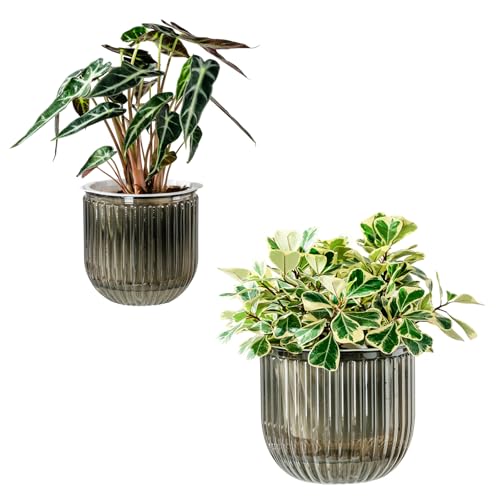
Self Watering Planters for Indoor Plants: Double-layer design, cotton rope across inner pot absorbs water from bottom of the external pot to keep the soil moist. Stored water can feed plants for two weeks or more. Plant pots self watering makes your travel or business trip an big ease! Plants Not Included!

【7-14 Days Watering-Free】13 inch extra large self watering hanging planters (2 Pack) allow your plants to thrive for 7–14 days without frequent watering, making plant care effortless even during short trips or busy schedules. Perfect for hanging pots for plants indoor and outdoor, these planters support all house hanging plants and flowers, including pothos, spider Plants, Baby's tears, herbs, Boston fern, string of pearls, ivy, and Baby Breath, offering convenience and healthy growth.
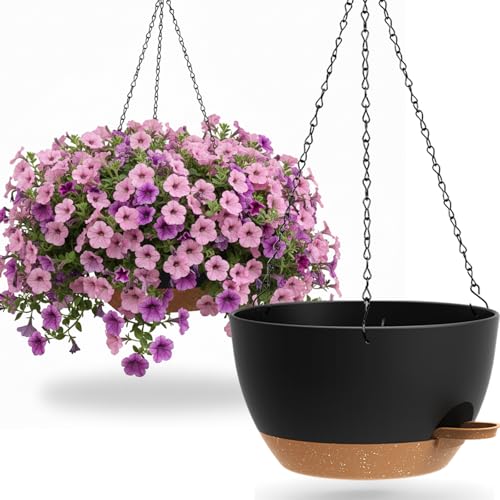
【7-14 Days Watering-Free】13 inch extra large self watering hanging planters (2 Pack) allow your plants to thrive for 7–14 days without frequent watering, making plant care effortless even during short trips or busy schedules. Perfect for hanging pots for plants indoor and outdoor, these planters support all house hanging plants and flowers, including pothos, spider Plants, Baby's tears, herbs, Boston fern, string of pearls, ivy, and Baby Breath, offering convenience and healthy growth.
2. Hanging Woven Baskets
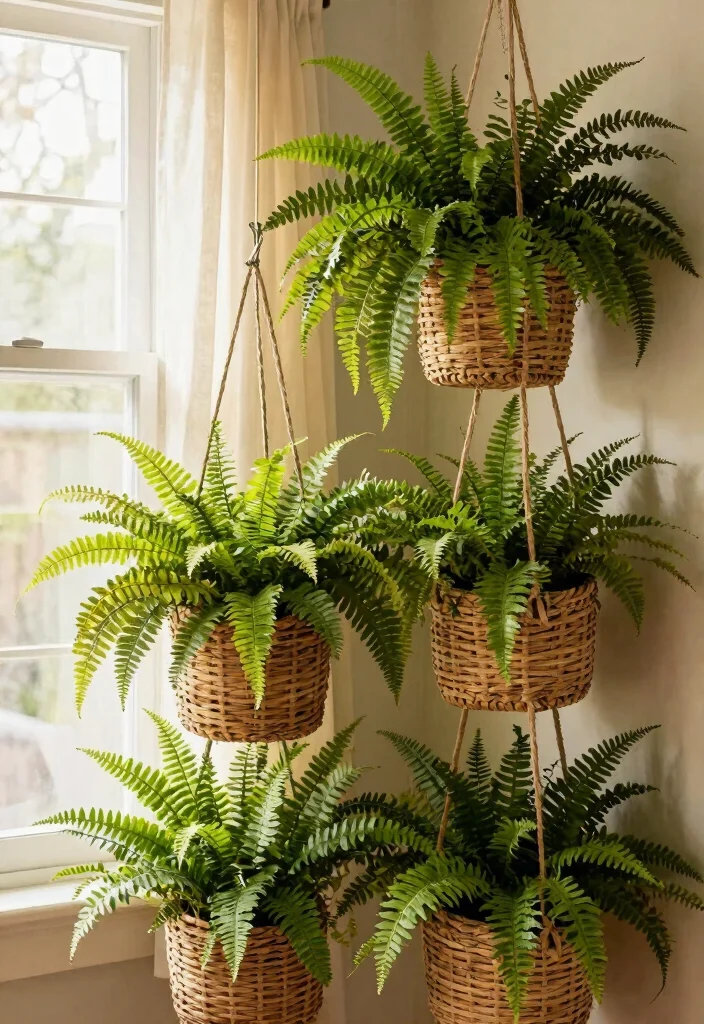
Bring a touch of bohemian flair to your space with hanging woven baskets filled with Boston ferns. These baskets create stunning displays as the fern fronds cascade gracefully, adding an organic vibe to any room. Opt for natural materials like rattan or seagrass that help keep humidity levels up for your plants.
When setting up, line the basket with a plastic or biodegradable liner for effective soil retention while allowing excess water to drain out. Hang these beauties in windows or from ceilings to brighten up empty corners and maximize your vertical gardening potential.
To get started:
– Choose various basket sizes for a layered look.
– Position near bright windows for optimal sunlight.
– Water thoroughly, allowing them to dry slightly between waterings to prevent root rot.
This method not only enhances your home decor but also keeps your ferns healthy and thriving.
Fun fact: Boston fern planter ideas shine in humid spaces. Hanging woven baskets keep soil moist longer, especially in rooms with 60–80% humidity, boosting moisture retention by about 20–30%. Pro tip: line the basket to balance soil retention while letting excess water drain.

Ceramic Plant Pot: The ceramic pot is high temperature fired stoneware which are durable and lightweight that convenient for you to use

PLANT POTS WITH DRAINAGE: Each ceramic planter features a drainage hole and a matching ceramic saucer permanently attached to the bottom, eliminating the hassle of loose trays while helping catch excess water and protect furniture surfaces. Five premium mesh pads are included to prevent soil loss while promoting healthy root growth. These plant pots with drainage make plant care simple and convenient, allowing both beginners and experienced plant lovers to enjoy healthier plants with less effort.

【COMBINATION SETS IN DIFFERENT SIZES】The ceramic flower pots have three different sizes. They are suitable for growing most kinds of family/office, plants in both small and medium size, such as orchids, Iilies, bamboo, african violets, snake plants, peppermint plants, cactus, aloe and succulent plants.
3. Terracotta Pots with Pebble Trays
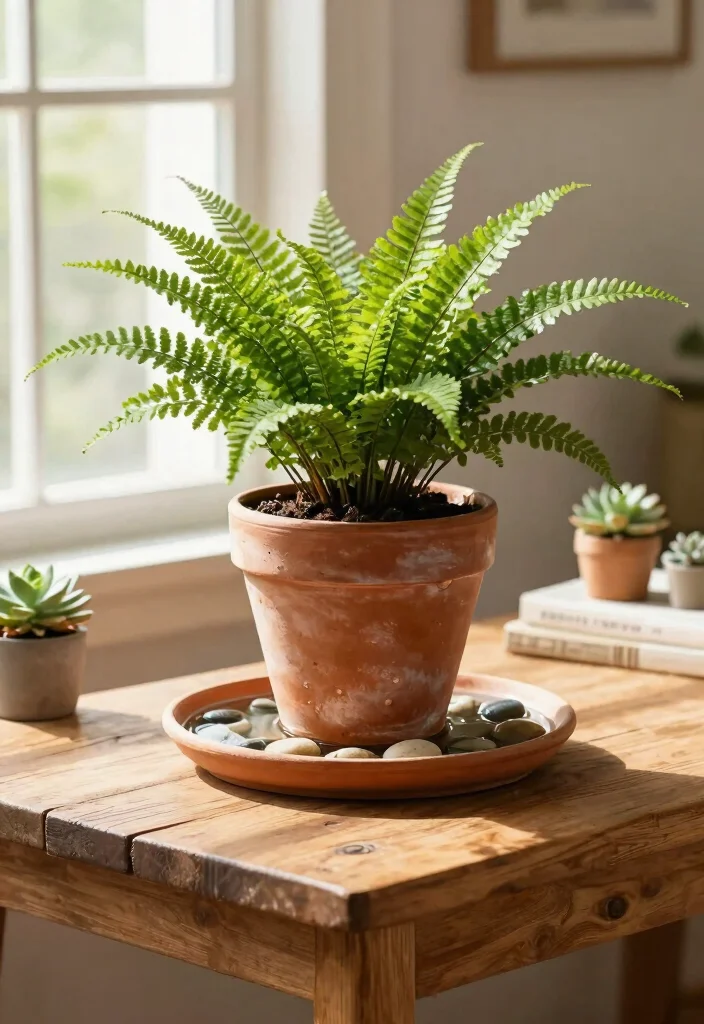
Terracotta pots are a classic choice, known for their breathability and traditional charm. These pots gradually wick moisture away from the soil, ensuring even hydration for your Boston ferns. Their natural, earthy tones can warm up any indoor setting, making them a versatile option.
To boost humidity around your ferns, place a pebble tray beneath the terracotta pot. Fill the tray with water and pebbles; as the water evaporates, it creates a humid microclimate that keeps your plants hydrated. You can also seal the inside of the pot with waterproof sealant if you prefer less evaporation.
Here’s how to maximize their benefits:
– Ensure the pot is large enough for growing roots.
– Rotate the pot occasionally for even light exposure.
– Use moisture-retentive potting mix for best results.
This simple setup promotes healthy growth while adding natural beauty to your space.
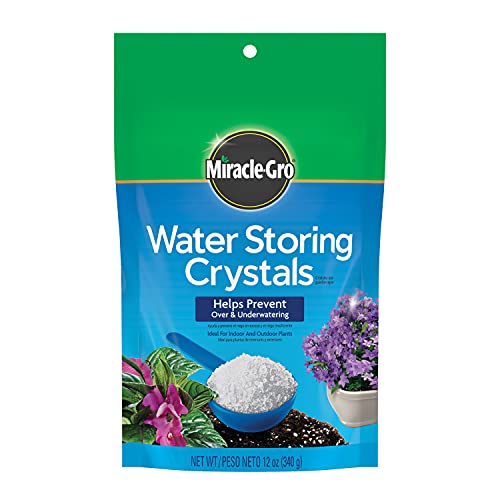
Prevents Over and Under Watering: Miracle-Gro Water Storing Crystals absorb moisture and release it back to your plants as needed, helping to prevent over and underwatering

【Extra-Thick Planter Insert for Superior Drainage】This extra-thick planter insert provides excellent drainage and root protection with just one layer. Unlike thin liners, it prevents soil compaction while supporting healthy plant growth in any planter

Versatile Potting Soil: Let your plants grow healthy and strong in any garden bed with this all purpose plant soil blended for containers, planters, and pots of vegetables, flowers, or tomato plants
4. Self-Watering Planters
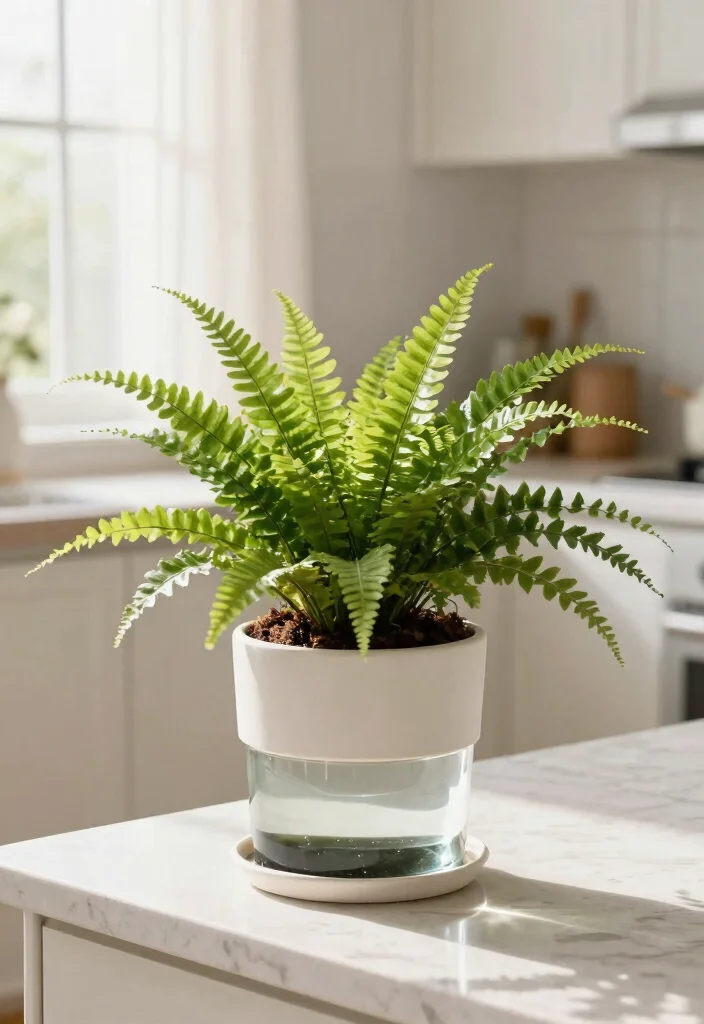
If you often forget to water your plants, self-watering planters are a fantastic solution. These handy pots feature a built-in reservoir, allowing Boston ferns to absorb water as needed through drainage holes, ensuring consistent moisture levels. This method is particularly beneficial for busy individuals or plant care beginners.
Choose a planter with a transparent water level indicator for easy monitoring. While self-watering pots help maintain moisture, it’s still essential to check soil moisture regularly, especially in low-humidity environments.
Steps to effectively use self-watering planters:
– Use a high-quality potting soil that retains moisture.
– Rotate the planters for even sunlight exposure.
– Monitor moisture levels consistently for best results.
This approach not only simplifies plant care but also fosters healthy growth for your Boston ferns.
Fun fact: Self-watering planters can cut daily watering time by up to 50%, keeping Boston ferns consistently moist with less effort. With a built-in reservoir and a transparent water level indicator, these boston fern planter ideas work for busy plant lovers.

Size and Material: 15 feet long, 1/6 inch diameter. Made of 100% polyester, Not rot or decay for long-term repeated use. Safe for human and plants, Not contain any harmful chemicals. ORIMERC self-watering string has been tested by professional organization: PH Value is 6.7, 100% polyester without any other material, does NOT contain any harmful chemicals such as formaldehyde, heavy metal, arylamine, azo etc

🌱【Effortless Self-Watering Design】Say goodbye to daily watering! The cotton rope system wicks water from the reservoir, self watering pots for indoor plants ensure consistent soil moisture—perfect for beginners and busy plant lovers

DIY Vacation Self-watering System: Put the one end to a water source, this watering wick will transport water to the other end automatically, and drip within 15 minutes (the practical time depends on the length of the rope you cut off; make this watering rope completely soaked in water before use then it will drip instantly). Easy to make a DIY automatic watering device system, help you care your plants while you are away from home or when you go outside or on business
Key Trade-offs & Our Top Pick
When it comes to choosing a Boston fern planter, various options can influence moisture retention and overall health of your plants. Let’s break down some popular choices and their trade-offs.
Option Name: Modern Minimalist Ceramic Pots
– Pros:
– They look stylish and fit well in any décor.
– The thicker walls help retain moisture longer.
– Cons:
– They can be heavy and difficult to move.
– Some might not have drainage holes, which can lead to overwatering.
– Best for: Those who prioritize aesthetics and have a stable indoor setup.
Option Name: Self-Watering Planters
– Pros:
– They provide a consistent moisture level, reducing the need for frequent watering.
– Great for busy gardeners who might forget to water regularly.
– Cons:
– They can be more expensive than traditional pots.
– If not monitored, the water reservoir can lead to root rot.
– Best for: Gardeners who want convenience without sacrificing plant health.
Option Name: Hanging Woven Baskets
– Pros:
– They create a beautiful display and save floor space.
– Their natural materials help with airflow and moisture evaporation.
– Cons:
– They require frequent watering due to airflow, leading to quicker drying.
– Limited on how much weight they can hold, which can restrict plant size.
– Best for: Those looking to add height and visual interest to their indoor garden.
Option Name: Terracotta Pots with Pebble Trays
– Pros:
– Terracotta is porous, allowing for excellent drainage and air exchange.
– Pebble trays can catch excess water, contributing to humidity.
– Cons:
– Terracotta can dry out quickly, needing more regular watering.
– They are prone to cracking in extreme temperature changes.
– Best for: Gardeners who prioritize drainage and are attentive to watering needs.
Option Name: Biodegradable Planters
– Pros:
– Eco-friendly and reduce plastic waste.
– They naturally decompose, enriching the soil over time.
– Cons:
– They may lack durability and structural integrity.
– Can dry out faster compared to more traditional materials.
– Best for: Environmentally-conscious gardeners looking for sustainability.
Best Overall: Self-Watering Planters
Self-watering planters are our top pick for most people. They offer an excellent balance of convenience and plant health. You can enjoy the beauty of Boston ferns without the constant worry of overwatering or forgetting a watering day. The ability to maintain consistent moisture helps your ferns thrive in any indoor environment.
Why We Picked This:
While self-watering planters are ideal for busy gardeners, those looking for aesthetic appeal might prefer modern ceramic pots. If you’re interested in vertical gardening, hanging baskets could be the way to go. Each option has its unique advantages and challenges, so it’s essential to choose what fits your lifestyle and gardening goals best.

Unique Hexagonal Design: This fern mounting board features a distinctive six-sided geometric shape that elevates your plant wall decor, adding an artistic and natural stag horn fern aesthetic to any indoor space.

The GreenStalk system is proud to be designed and manufactured completely in East TN. Made with high quality, BPA-free, UV-resistant plastic with a 5 year warranty

42 total planting pockets each with a 7” depth
5. Creative Vertical Gardens
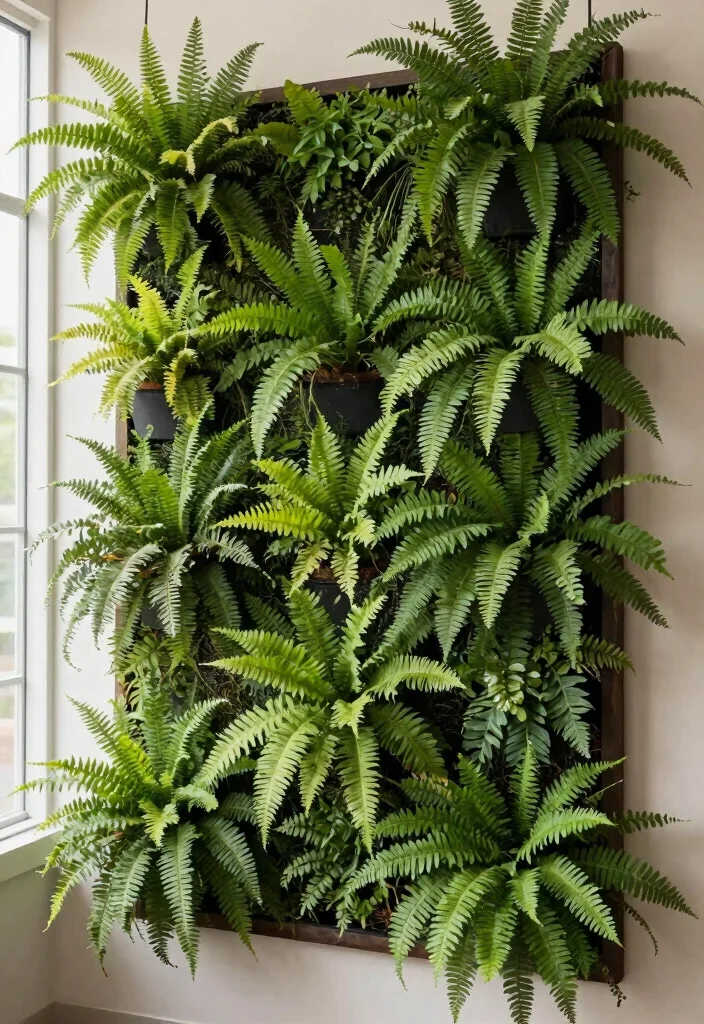
Short on space? Vertical gardens offer an exciting way to incorporate Boston ferns into your indoor environment! Create a stunning living wall display with vertical planters or wall-mounted containers that are easy to care for and visually striking.
To ensure your ferns flourish, select a spot with indirect sunlight and use a moisture-retentive potting mix. You might also consider a drip irrigation system to keep everything hydrated. Vertical gardens not only save space but also improve air circulation, reducing the risk of fungal infections.
Here are some tips for success:
– Mix different fern varieties for interesting textures.
– Regularly check for pests in humid areas.
– Prune overly long fronds to maintain a tidy appearance.
This approach transforms any wall into a lush, green oasis.

【7-14 Days Watering-Free】13 inch extra large self watering hanging planters (2 Pack) allow your plants to thrive for 7–14 days without frequent watering, making plant care effortless even during short trips or busy schedules. Perfect for hanging pots for plants indoor and outdoor, these planters support all house hanging plants and flowers, including pothos, spider Plants, Baby's tears, herbs, Boston fern, string of pearls, ivy, and Baby Breath, offering convenience and healthy growth.
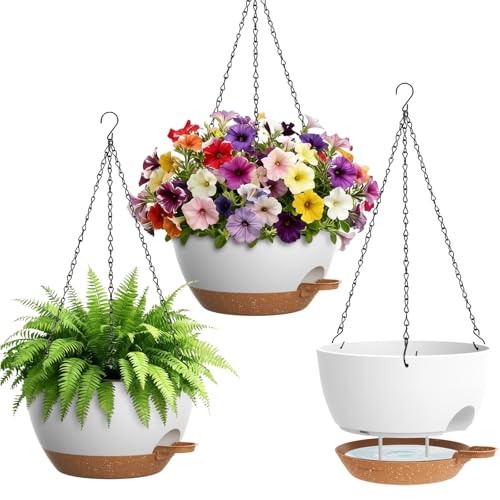
【Perfect 3-Pack for Indoor & Outdoor Spaces】Elevate your home and garden with this set of 3 UOUZ 10inch self-watering hanging planters, each holding 8–9 L of soil, perfect for ferns, spider plants, pothos, ivy, and more. These versatile 10 inch hanging planters function as stylish hanging flower pots and hanging pots for plants indoor, ideal for your living room, kitchen, bedroom, balcony, office, or garden. Enjoy lush greenery while saving floor space and instantly enhancing your modern home decor.

【Perfect 3-Pack for Indoor & Outdoor Spaces】Elevate your home and garden with this set of 3 UOUZ 10inch self-watering hanging planters, each holding 8–9 L of soil, perfect for ferns, spider plants, pothos, ivy, and more. These versatile 10 inch hanging planters function as stylish hanging flower pots and hanging pots for plants indoor, ideal for your living room, kitchen, bedroom, balcony, office, or garden. Enjoy lush greenery while saving floor space and instantly enhancing your modern home decor.
6. Biodegradable Planters
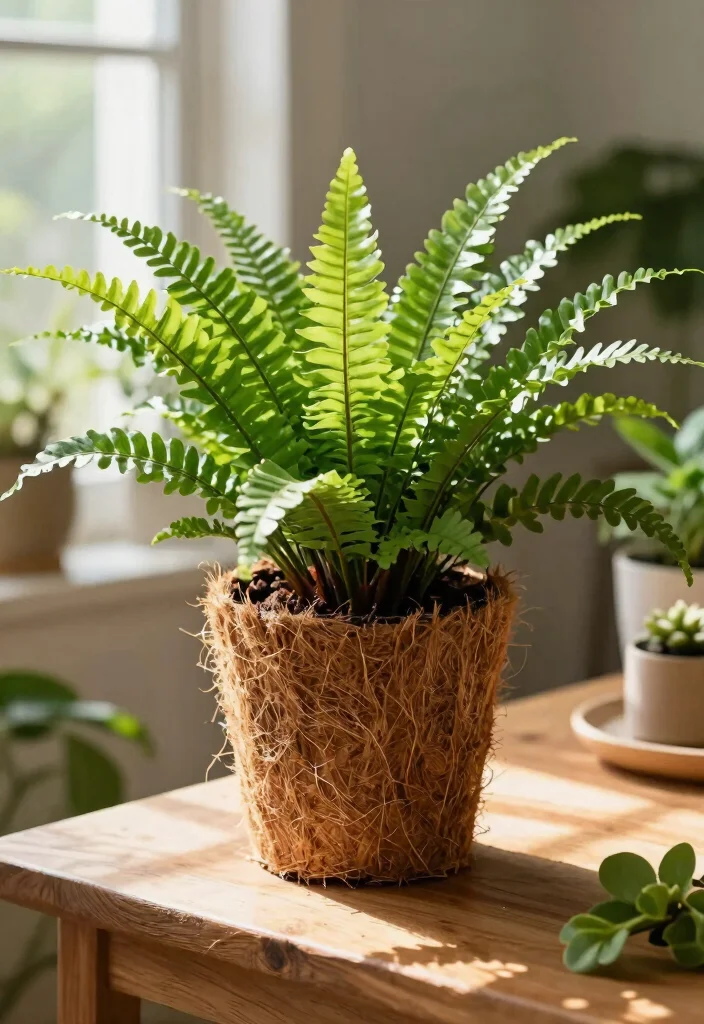
Opt for biodegradable planters made from sustainable materials like coconut coir or bamboo for an eco-friendly gardening solution. These planters not only retain moisture well for your Boston ferns but also enrich the soil as they decompose, promoting healthy root growth.
Place these planters directly into larger pots or garden beds for a seamless transition. Look for stylish designs that complement your decor while highlighting your commitment to sustainability.
Key considerations include:
– Monitor moisture levels closely, as these materials can dry out quickly.
– Position them in humid areas for optimal growth.
– Watch for signs of decomposition to know when to replace.
This choice not only benefits your plants but also supports the environment.

Elegant Ceramic Statement Piece: This 10 inch plant pot, a refined choice among plant pots indoor, is crafted from premium ceramic with a soft-touch matte glaze. Its sleek, modern lines pair perfectly with a luxuriously smooth finish, and the velvety-smooth ceramic surface feels as elegant in your hand as it looks on your shelf—making it the perfect centerpiece to elevate any room’s decor

LARGE INDOOR PLANTER, 10 INCH PLANT POT FOR REAL STATEMENT PLANTS: Generous 9.8" outer × 8.7" inner diameter, 9.4" height. Holds fiddle leaf fig, monstera, snake plant, ZZ plant with room for proper roots. Fits the Fox & Fern plant stand range

Size 6.8" (Desktop Friendly): Medium ceramic plant pot (diameter 6.8", height 5.3") designed for peace lily, pothos, spider plant, ZZ plant, or small snake plant. This 6.8-inch pot fits perfectly on desks, shelves, or windowsills—an ideal choice among flower pots for indoor plants
7. Upcycled Containers
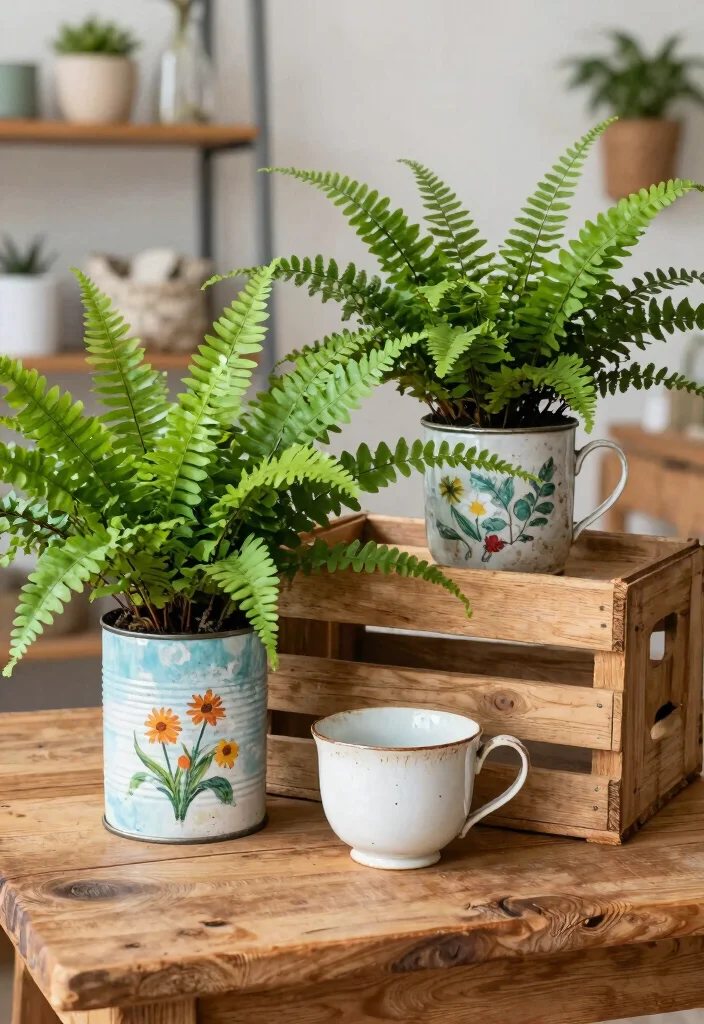
Let your creativity shine with upcycled containers as quirky planters for your Boston ferns. Transform old teacups, tin cans, or wooden crates into unique gardening options that not only help reduce waste but also add character to your home.
Make sure your chosen container has good drainage holes and is lined properly to retain soil and moisture. Personalize your planters with paint or decorations that match your style.
To make the most of your upcycled containers:
– Ensure the size accommodates the fern’s growth.
– Group smaller containers for an eye-catching display.
– Regularly check moisture levels to keep plants healthy.
This approach not only enhances your indoor garden but also reflects your personal style.

Rich Garden Soil: This 4 pack of Garden Magic potting soil is ideal for starting a garden or potting your favorite plants. It features a blended formula perfect for indoor and outdoor plants.
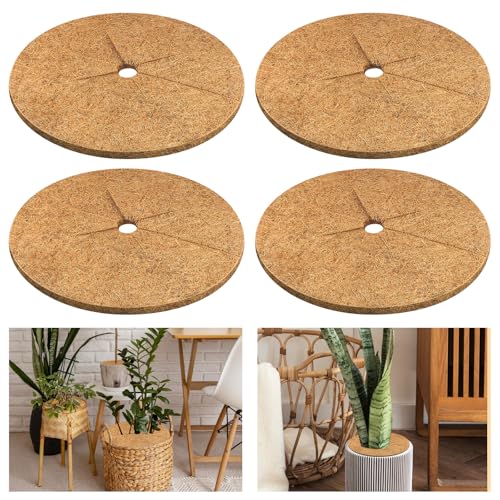
Natural Organic Tree Ring: These tree mulch rings are made of natural coconut fiber, which is very thick, the fiber is evenly distributed, and sturdy, it can keep the soil moisture in the pot well, they can also prevent weeds from growing arbitrarily

[INNOVATIVE SELF-WATERING POTS] MIXC 6.5/5/4-inch clear plant pots feature a practical self-watering system. This self-watering planter automatically draws water from the detachable reservoir via a cotton wick. The transparent base tray acts as a water level indicator—maintaining optimal soil moisture for 7-10 days. Ideal for both indoor and outdoor use, they’re perfect for seedlings, houseplants, herbs, succulents,and flowering plants.
8. Colorful Plastic Pots
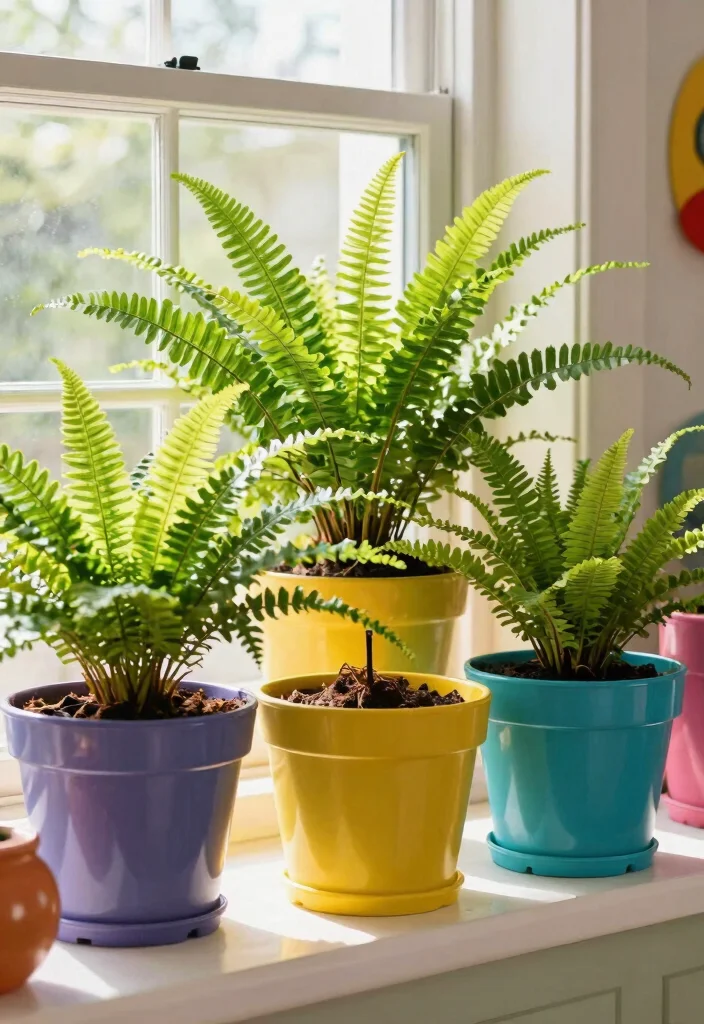
Add a splash of color to your indoor garden with vibrant plastic pots. These budget-friendly options are lightweight and often come with self-watering features to help maintain soil moisture, making them a practical choice for your Boston ferns.
Plastic pots retain heat well, which can be advantageous in cooler indoor settings. Choose bright colors to energize your space and create a cheerful atmosphere. While plastic can be less breathable than terracotta, pairing it with well-draining soil can still achieve effective moisture retention.
To optimize your colorful pots:
– Match or complement colors for a cohesive look.
– Check for algae growth, which can occur in plastic.
– Use pot feet to elevate pots for better air circulation.
This vibrant choice not only beautifies your home but also supports healthy plant growth.
Did you know colorful plastic pots with built-in self-watering features can cut watering time by about 40%? They’re lightweight, heat-attracting, and keep Boston fern planter ideas lush in humid rooms. Pair bright colors with good drainage for best moisture control.

DIY Vacation Self-watering System: Put the one end to a water source, this watering wick will transport water to the other end automatically, and drip within 15 minutes (the practical time depends on the length of the rope you cut off; make this watering rope completely soaked in water before use then it will drip instantly). Easy to make a DIY automatic watering device system, help you care your plants while you are away from home or when you go outside or on business

Size and Material: 30 feet long, 1/6 inch diameter. Made of 100% polyester, Not rot or decay for long-term repeated use. Safe for human and plants, Not contain any harmful chemicals. ORIMERC self-watering string has been tested by professional organization: PH Value is 6.7, 100% polyester without any other material, does NOT contain any harmful chemicals such as formaldehyde, heavy metal, arylamine, azo etc

Great Value: These self watering pots with wick for indoor plants are made from premium plastic material, they are lightweight and robust. You will get 6 packs 4.9 inch self watering african violet pot at an incredible price. Ideal for African violets, devil's ivy, spider plants, floating plants, and more.
9. Glass Containers for a Modern Look
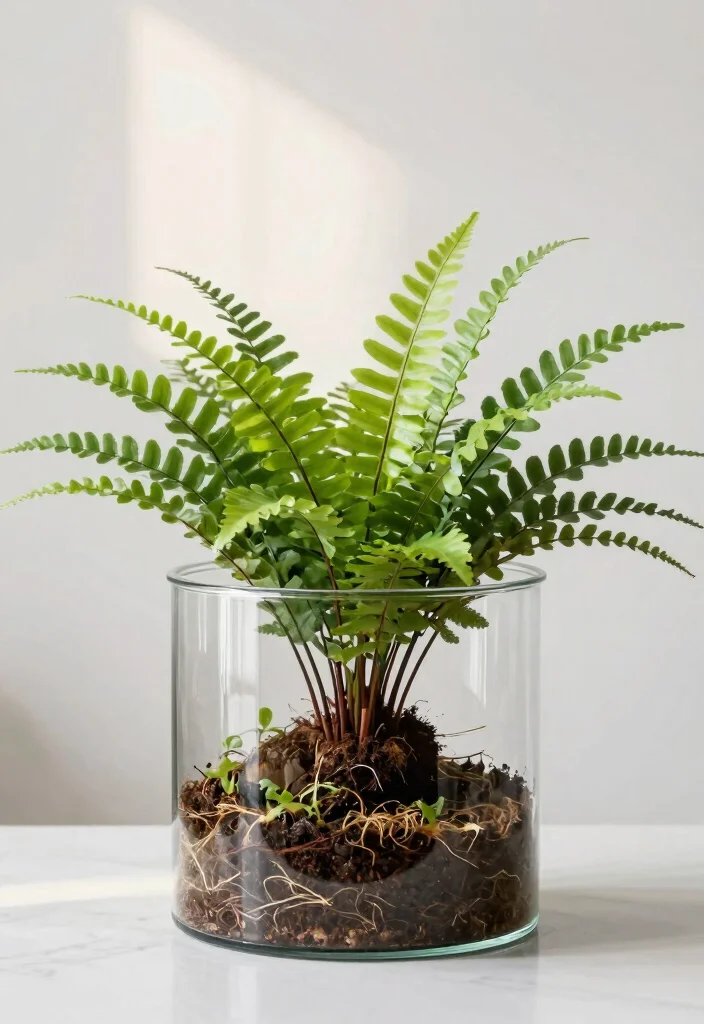
Elevate your indoor gardening with glass containers that offer a modern aesthetic while showcasing the beauty of your Boston ferns. These transparent pots allow you to admire the roots and soil alongside the fronds, creating a stunning visual display.
Select glass bowls or terrariums designed for moisture retention. To prevent fungal growth, add a layer of activated charcoal at the bottom to filter impurities. This setup creates a mini-ecosystem that enhances moisture and provides an ideal environment for your ferns.
Tips for using glass containers:
– Position them in bright, indirect light to avoid overheating.
– Water carefully to prevent excess moisture.
– Incorporate decorative stones for added appeal.
This elegant choice not only enhances your decor but also creates a thriving environment for your plants.

Unique Hexagonal Design: This fern mounting board features a distinctive six-sided geometric shape that elevates your plant wall decor, adding an artistic and natural stag horn fern mounting board aesthetic to any indoor space

Four-Layered Garden Design: This planter box features a four-tier structure, allowing you to cultivate a variety of plants in separate layers. You can plant everything from vegetables and herbs to flowers, fruits, and even strawberries. Each tier offers ample space for healthy growth without overcrowding your plants

【Sturdy and Stable】The 4 tier vertical garden bed is made of solid metal frame. The triangular frame structure ensures that the vertical planters are stable in wind and rain. You can plant different plants in the terrace, yard, garden, balcony, and living room.
10. Layered Planter Designs
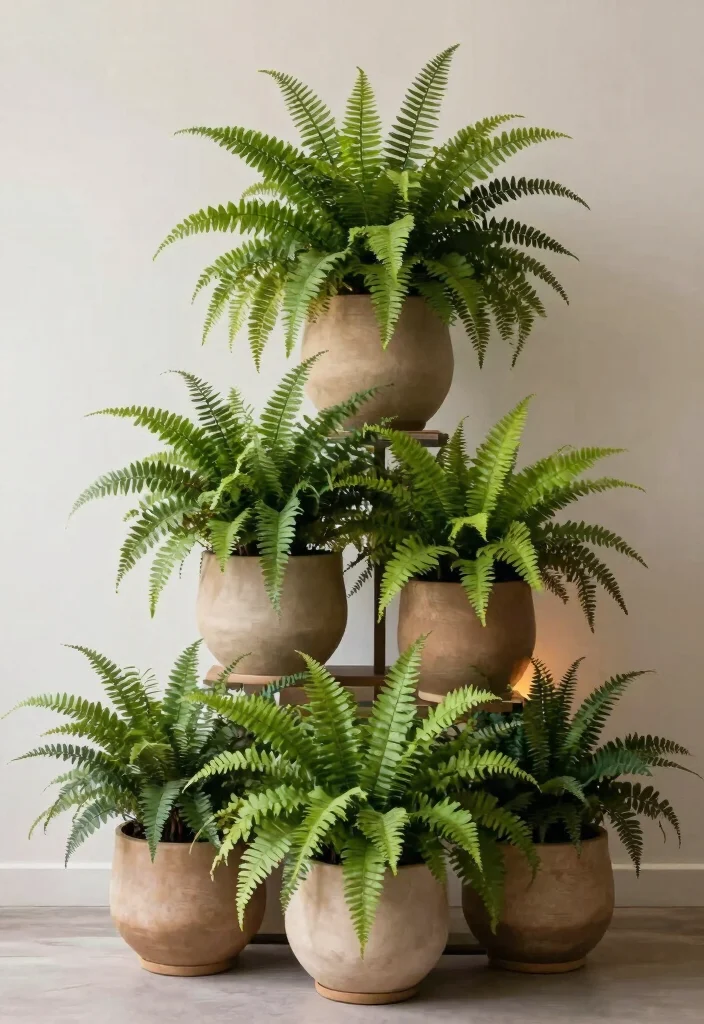
Layered planter designs are an imaginative way to create depth and visual interest with your Boston ferns. Stack various pot sizes to form a dynamic display that draws the eye upward, making for an engaging focal point in any room.
For moisture retention, place a larger pot filled with soil at the base, with smaller pots of ferns on top. Ensure the smaller pots have drainage holes and use moisture-retentive potting mix for best results.
To enhance your layered design:
– Mix in other plants for a diverse look.
– Use coir or moss to retain moisture in the upper layers.
– Add decorative elements like fairy lights for a whimsical touch.
This creative approach not only showcases your ferns beautifully but also adds a unique flair to your space.
11. Wall-Mounted Planters
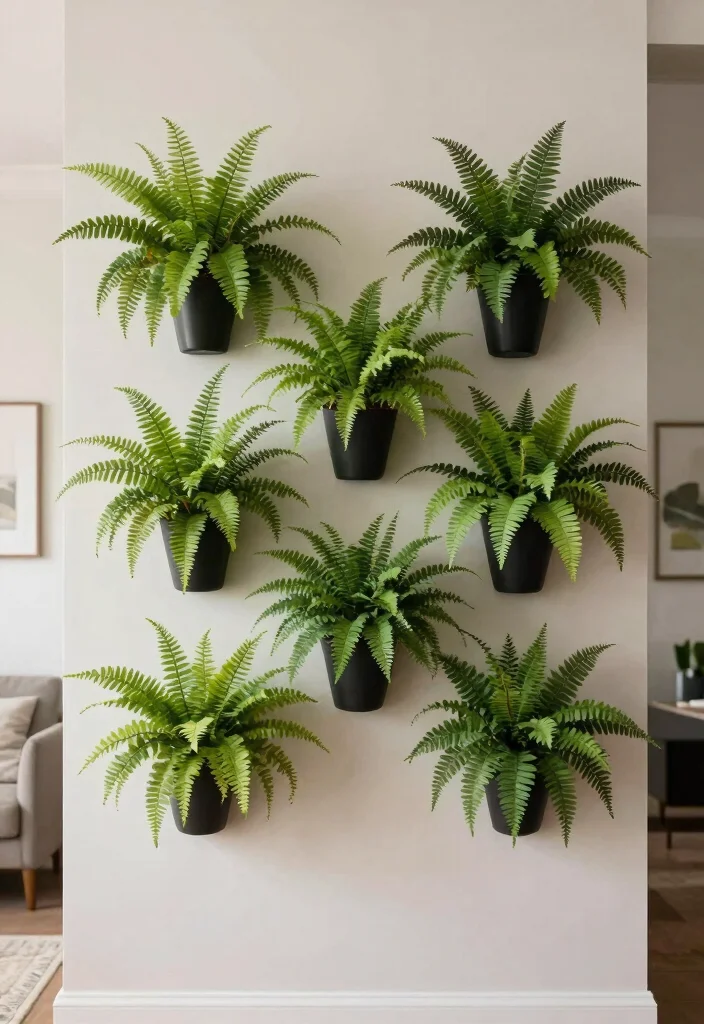
Maximize your space with wall-mounted planters that beautifully display Boston ferns while saving valuable floor space. These planters can be simple pockets or decorative frames, showcasing your plants in a stylish manner.
Be sure to select wall-mounted options that retain moisture effectively. Consider using soil additives like sphagnum moss to keep your ferns thriving. Position these planters in bright areas to ensure they receive adequate indirect sunlight for healthy growth.
Here are some tips for success:
– Cluster multiple wall-mounted planters for a vibrant display.
– Ensure proper drainage to prevent root rot.
– Regularly check moisture levels, especially in warm rooms.
This method not only saves space but also adds a fresh, green touch to your home.
12. DIY Hydroponic Planters
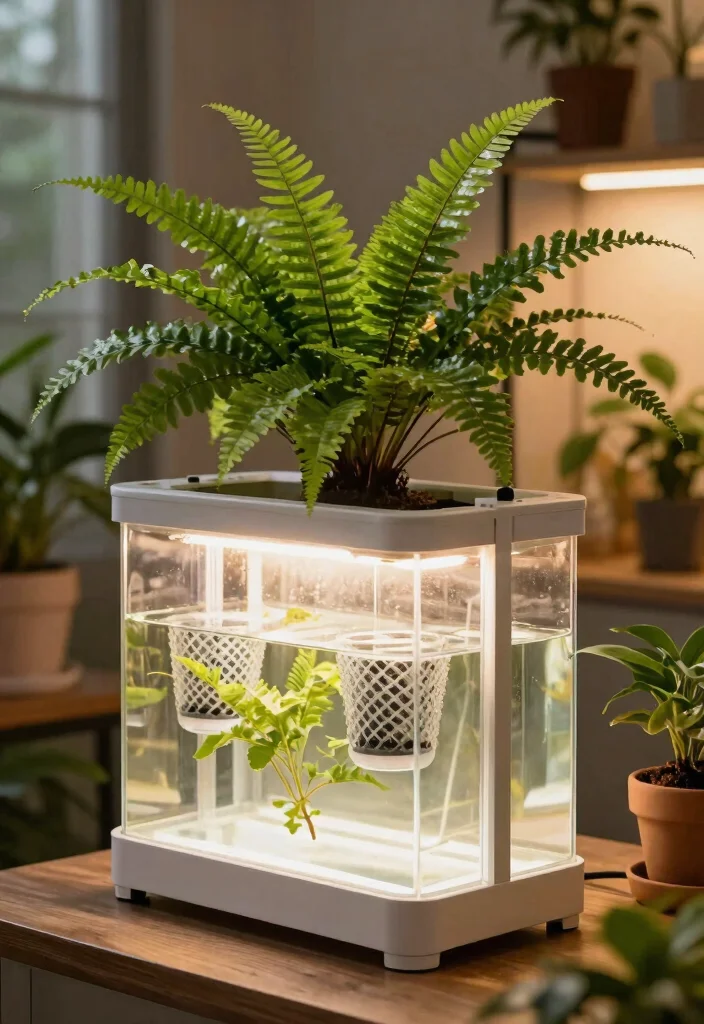
For the adventurous indoor gardener, DIY hydroponic planters can offer a unique way to grow Boston ferns. This method uses nutrient-rich water solutions instead of soil, providing greater control over moisture levels and plant health.
Creating a simple hydroponic system can be done with materials like plastic containers, net pots, and nutrient solutions. This setup is not only efficient but also reduces the need for soil, making it cost-effective.
To ensure success:
– Regularly monitor nutrient levels for adequate minerals.
– Use a pH test kit to keep the water balanced.
– Consider adding LED grow lights for optimal growth in low-light conditions.
This innovative approach not only enhances your gardening experience but also supports the healthy growth of your ferns.
13. Potted Herb & Fern Combinations
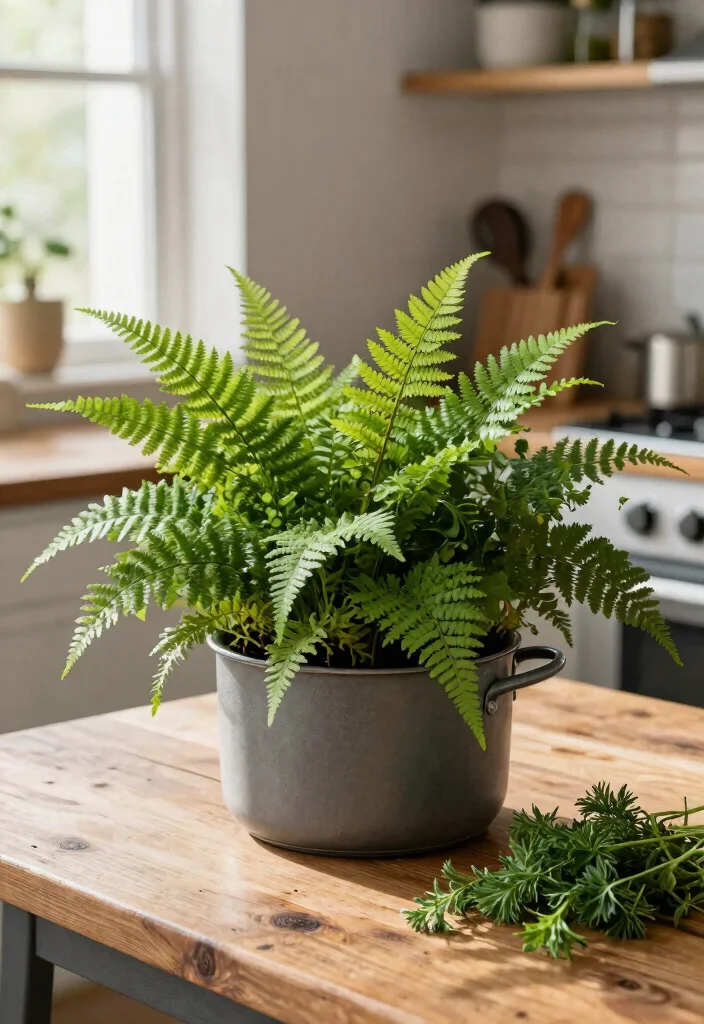
Combining Boston ferns with herbs in a single pot creates a stunning and functional display while enhancing moisture retention. Ferns and herbs can thrive together when planted in larger containers, as their watering needs often align beautifully.
Select herbs that prefer similar humidity levels, such as mint or basil, to create a lush, aromatic arrangement. This combination beautifies your space while filling your kitchen with delightful scents.
To ensure both plants thrive:
– Regularly prune herbs to encourage growth and prevent overcrowding.
– Position the container near a sunny window for ample light.
– Water consistently to maintain moisture balance for both plants.
This approach not only elevates your indoor garden but also adds a culinary touch to your home.
14. Decorative Concrete Planters
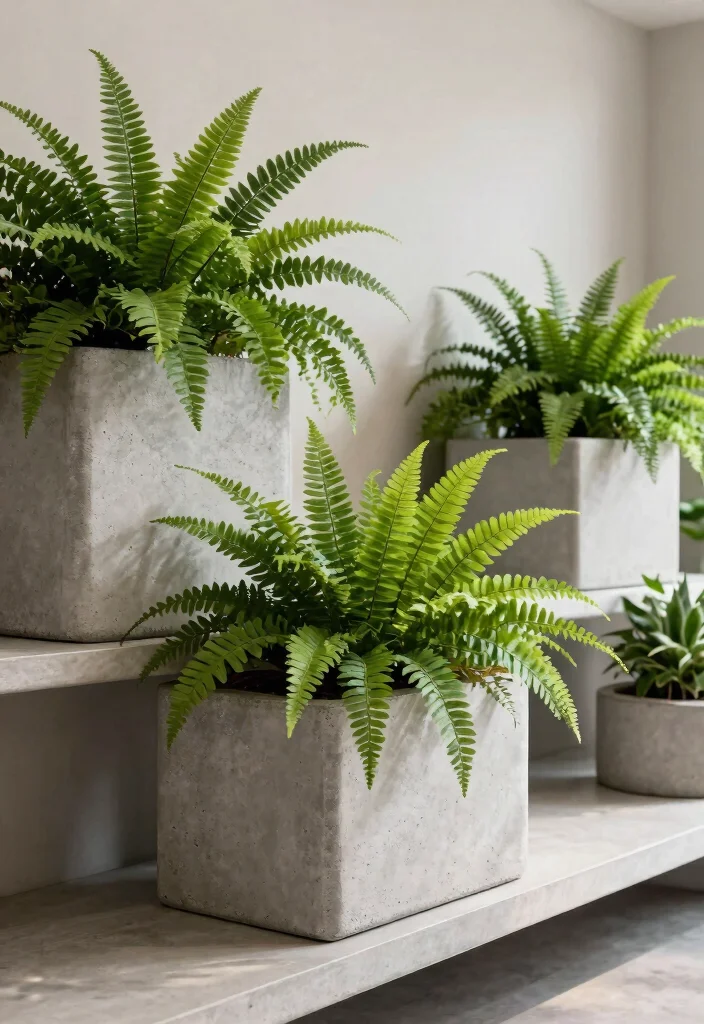
For a modern urban aesthetic, decorative concrete planters provide a sturdy, stylish choice for Boston ferns. These planters excel at moisture retention and offer a unique texture that enhances your indoor garden.
Select concrete pots in various shapes and sizes to create an engaging display. Their neutral tones complement any decor style, making them a versatile addition to your home. To boost moisture retention, use a high-quality potting mix that effectively holds water.
To maximize their impact:
– Pair concrete planters with smaller plants for contrast.
– Ensure proper drainage to prevent excess water buildup.
– Group several planters together for a striking visual effect.
This contemporary choice not only enhances your decor but also supports the healthy growth of your Boston ferns.
Conclusion
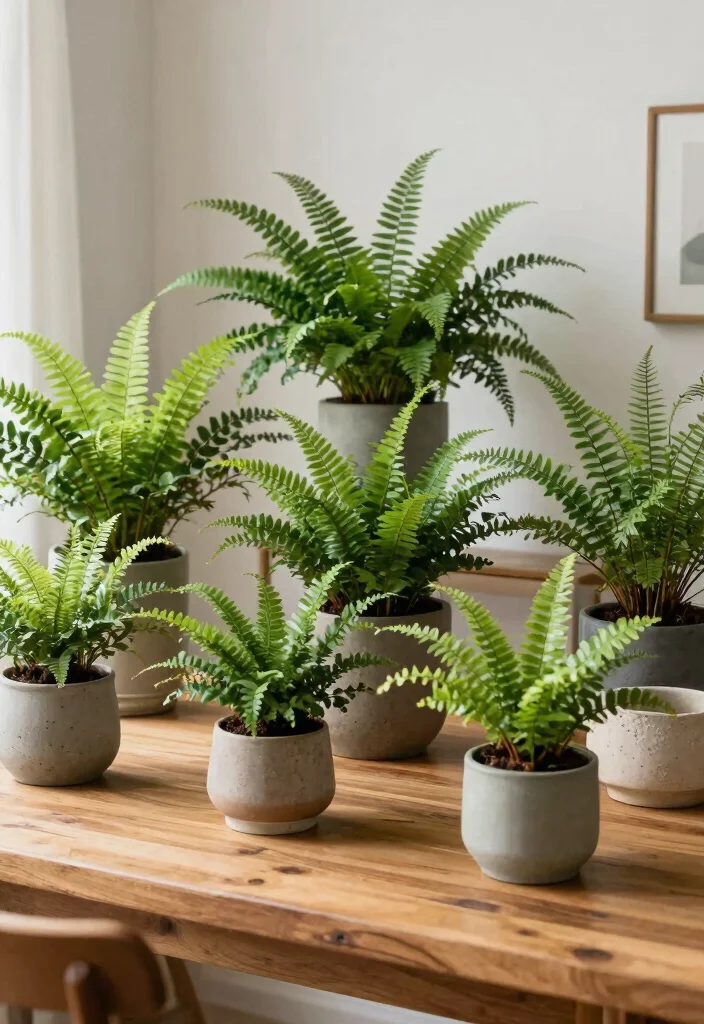
Incorporating these 14 Boston fern planter ideas into your indoor space can transform your gardening experience while ensuring optimal moisture retention. Whether you prefer minimalist designs, colorful pots, or upcycled containers, there’s a perfect option for every style and personality.
With the right care and creative presentation, your Boston ferns will undoubtedly thrive, adding a lush, green touch to your home. Explore these ideas, and let your indoor garden flourish!
Frequently Asked Questions
What are the best boston fern planter ideas to maximize moisture retention indoors?
Keeping a Boston fern indoors means moisture retention is your best friend. Here are practical ideas to keep soil moist longer and fit into boston fern planter ideas:
Choose self-watering or planter-with-reservoir designs so the fern can draw water gradually without flooding. Use a heavy vessel (like glazed ceramic) or a plastic pot with a built‑in water reservoir to minimize rapid drying.
Line the pot with moisture-retentive materials such as sphagnum moss or coconut coir and fill with a fern-friendly mix (peat or coco coir base with perlite for drainage).
Top the soil with a thin mulch layer or live moss to reduce evaporation, especially in warm rooms.
Group several ferns or humidity-loving plants together to boost ambient moisture and create a microclimate that helps soil stay damp longer.
How can I design planters for Boston ferns in humid indoor environments to keep soil moist longer?
Designing planters for humid indoor environments is all about balance and access to moisture. Try these practical planter design ideas that help Boston ferns stay consistently moist:
Use planters with built‑in water reservoirs or add a wick system that draws moisture from a lower reservoir up into the potting mix.
Pair wide rims with ample drainage to prevent root rot while still allowing surface moisture to linger. Consider hanging or tiered setups to create a microenvironment with higher humidity around the foliage.
Choose light, breathable containers (ceramic or plastic with good insulation) and fill with a moisture-retentive fern mix. Add a top layer of moss to further slow evaporation.
What fern care tips help Boston ferns thrive in containers in humid rooms?
Boston ferns love humidity and consistent moisture, especially in containers. Here are ferns care tips to keep them thriving in humid rooms:
Place them in bright, indirect light and avoid direct sun that can dry leaves. Maintain even moisture—not soggy, not bone-dry—and water when the top inch of soil feels just barely dry.
Use a fern-friendly potting mix with good moisture retention and and good drainage. Mist the fronds regularly to boost humidity, especially in dry indoor air.
Feed lightly with a balanced, diluted fertilizer during spring and summer, and repot every year or two to refresh the soil and root space. Keep away from cold drafts and sudden temperature changes.
Which containers and potting mixes work best for Boston ferns in container gardening to prevent drying out?
Choosing the right container and potting mix is key for container gardening with Boston ferns. Here are actionable tips:
Opt for heavyweight containers or add a water reservoir to lightweight pots to reduce rapid drying. Self‑watering planters or those with a capillary mat work well in humid environments.
Use a soil mix that retains moisture but drains well—ideally a blend of peat or coco coir with perlite or pumice, plus a touch of compost for nutrients. A fern‑specific mix or an all‑purpose mix amended with organic matter tends to perform best for moisture retention.
Avoid overly sandy mixes that dry out quickly and select planters with good drainage to prevent root rot while still keeping moisture available to the roots.
How do I tell when my Boston fern planter needs more water and how often should I water to keep soil moist?
A simple moisture cue helps you stay in the sweet spot between soggy and dry. Here’s a practical approach for humid indoor spaces:
Check the top inch of soil—if it’s just barely dry to the touch, it’s time to water. If the top is still cool and moist, wait another day or two.
Weigh the pot after watering and compare to its dry weight; if it feels light again, it’s time to water. A moisture meter can also take the guesswork out of this.
Water slowly until you see a little drainage at the bottom, then allow excess to drain away. In very humid rooms, you may water less frequently, but monitor for signs of drying out during warmer spells or after window exposure.
Bottom-watering or using planters with a built‑in reservoir helps maintain consistent moisture for your boston fern planter ideas while reducing the risk of overwatering.
Related Topics
boston fern planter ideas
indoor gardening
moisture retention
container gardening
fern care tips
plant design
beginner friendly
easy maintenance
humid environments
decorative planters
indoor plants
sustainable gardening
