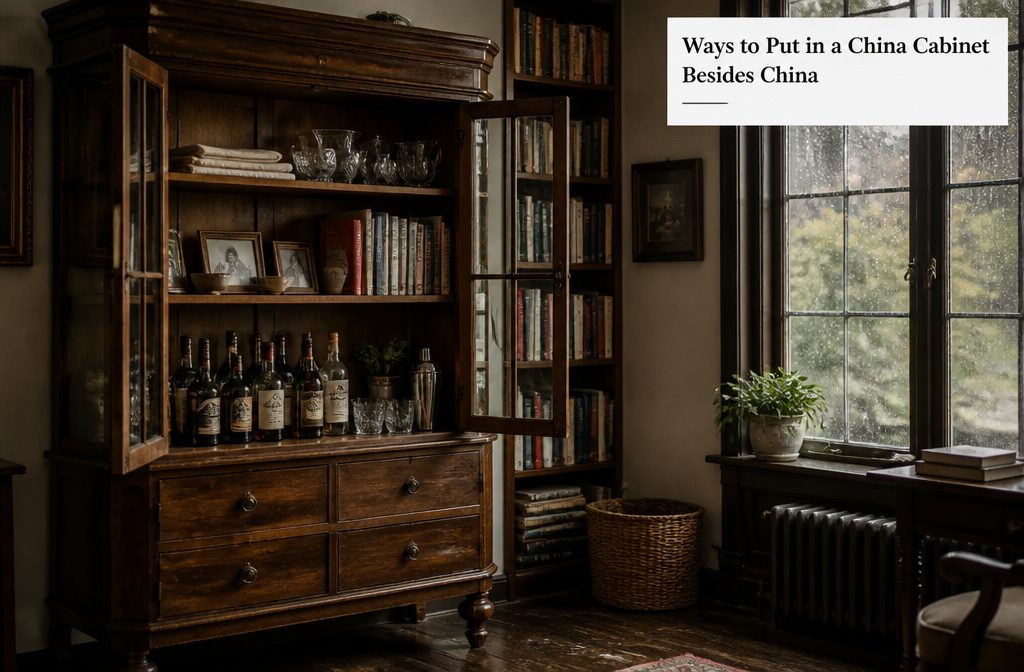
A china cabinet holds far more than china once you stop thinking of it as formal dinnerware storage. The enclosed shelves work best for items you actually use or see regularly: bar supplies, family photos, cookbooks, linens.
Pieces that sit untouched for months belong elsewhere. Museum putty keeps fragile objects steady while you reach in, and weight distribution matters: heavier serving pieces anchor the bottom shelves, lighter crystal belongs on top where it catches light.
1. Use it as a bar
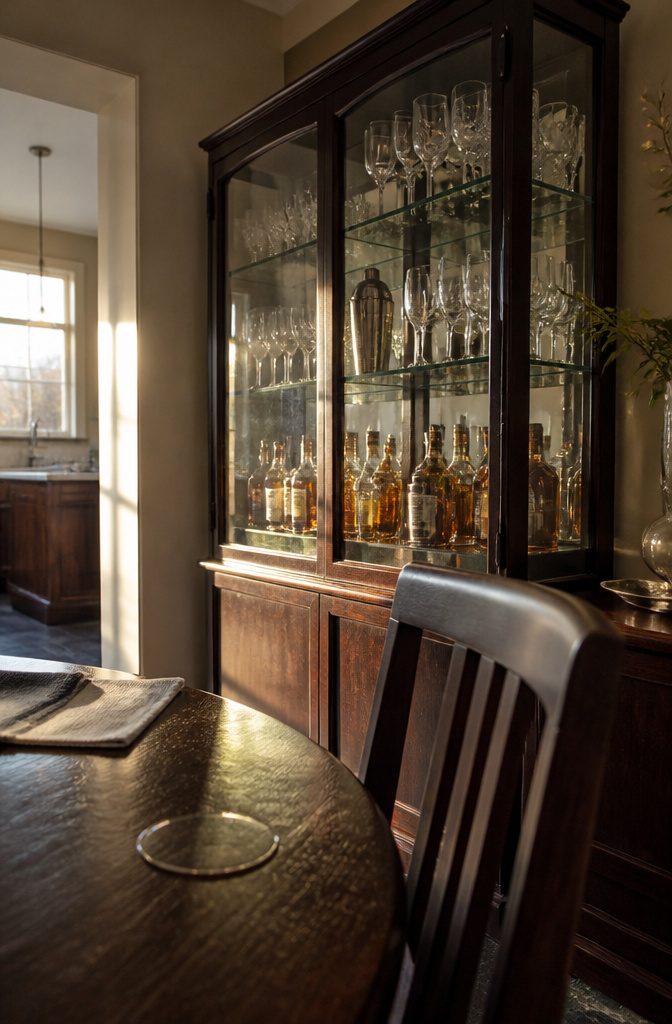
A china cabinet’s shelves and compartments work perfectly for bar storage. The glassware, liquor bottles, cocktail accessories, and bar tools belong together where you can reach them without hunting through separate cabinets.
Arrange frequently used items like everyday drinking glasses and cocktail tools at eye level so you grab what you need in seconds.
Store heavier bottles and backup glassware lower, where the weight is easier to manage and you’re not reaching overhead.
The cabinet door keeps everything dust-free and organized, and the enclosed space naturally groups your bar collection in one place instead of scattered across the kitchen.
This setup turns a traditional display piece into functional furniture that earns its floor space.

MULTI-FUNCTION RGB LED CABINET: This kitchen pantry cabinet is equipped with a smart RGB LED light strip, controllable via an intuitive app or a convenient switch. Featuring over 60,000 vibrant colors, it allows you to customize the ambiance to suit your mood with adjustable brightness and color settings. For an enhanced experience, sync the lights to the beat of your favorite music, creating a dynamic and immersive party atmosphere

MULTI-FUNCTION RGB LED CABINET: This kitchen pantry cabinet is equipped with a smart RGB LED light strip, controllable via an intuitive app or a convenient switch. Featuring over 60,000 vibrant colors, it allows you to customize the ambiance to suit your mood with adjustable brightness and color settings. For an enhanced experience, sync the lights to the beat of your favorite music, creating a dynamic and immersive party atmosphere
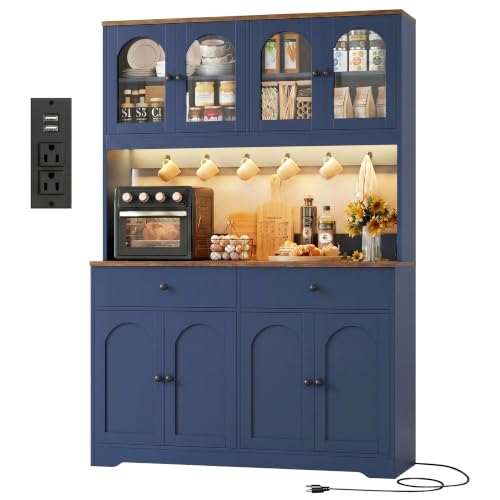
MULTI-FUNCTION RGB LED CABINET: This kitchen pantry cabinet is equipped with a smart RGB LED light strip, controllable via an intuitive app or a convenient switch. Featuring over 60,000 vibrant colors, it allows you to customize the ambiance to suit your mood with adjustable brightness and color settings. For an enhanced experience, sync the lights to the beat of your favorite music, creating a dynamic and immersive party atmosphere
2. Display collectibles and curios
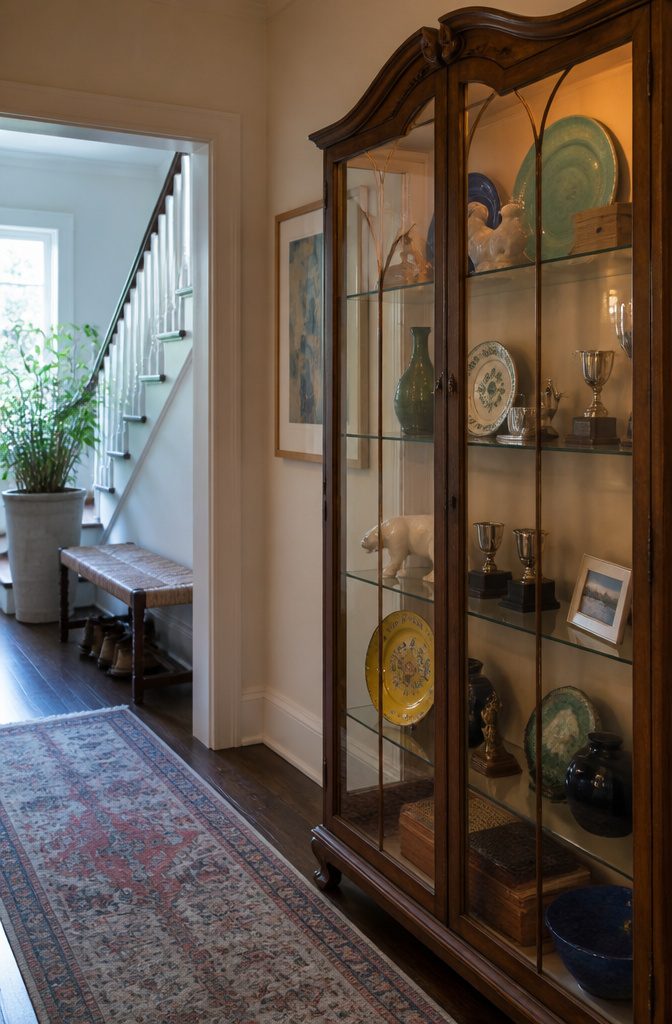
A china cabinet is a natural home for the objects that matter to you.
Collections, souvenirs, sculptures, and trophies all belong behind glass where they stay clean and visible. Think of it less as a display case for matching sets and more as a space to tell your story through the things you’ve gathered.
Group items by theme or color to build visual cohesion across the shelves. A collection of colorful plates from travels draws the eye immediately; trophies arranged by height create their own rhythm.
Mix scales and textures. A small framed photo next to a sculptural piece gives the eye something to rest on.
Items needn’t match the cabinet’s style or each other. Each object should have a reason to be there.
The glass doors protect collectibles from dust while keeping them on view, so items that matter most belong where you see them often.
A china cabinet in an entryway works especially well for this; family pictures, special souvenirs, and meaningful objects greet both you and your guests at the front door.
It’s a conversation starter, and the closed doors mean no constant tidying required.

Acrylic Riser Display: This is a unique and elegant acrylic display riser, its simple yet attractive design complements any ambient style. Our shelf stand can organize and display your items at dining table, cabinets, dressers, party, kitchen, shop, etc.

Clear Materials: 8inch clear display shelf is made of 4mm crystal clear material which is sturdy and durable, cupcake stand risers are durable and designed for a long service life

4 Sizes 8 Pcs: Package includes 8 pcs clear acrylic stands in 4 sizes:7.87"*2.95"*1.18"、8.26"*2.95"*2.75"、8.66"*2.95"*3.93"、9.05"*2.95"*5.11", each size 2 pcs. The acrylic shelves are thicker than traditional acrylic risers display stands with a thickness of 0.4mm, will not bend out of shape. Unlike the other set 0f 3 sizes, we have 4 sizes with more combinations to give you a staggered display
3. Show family photos and keepsakes
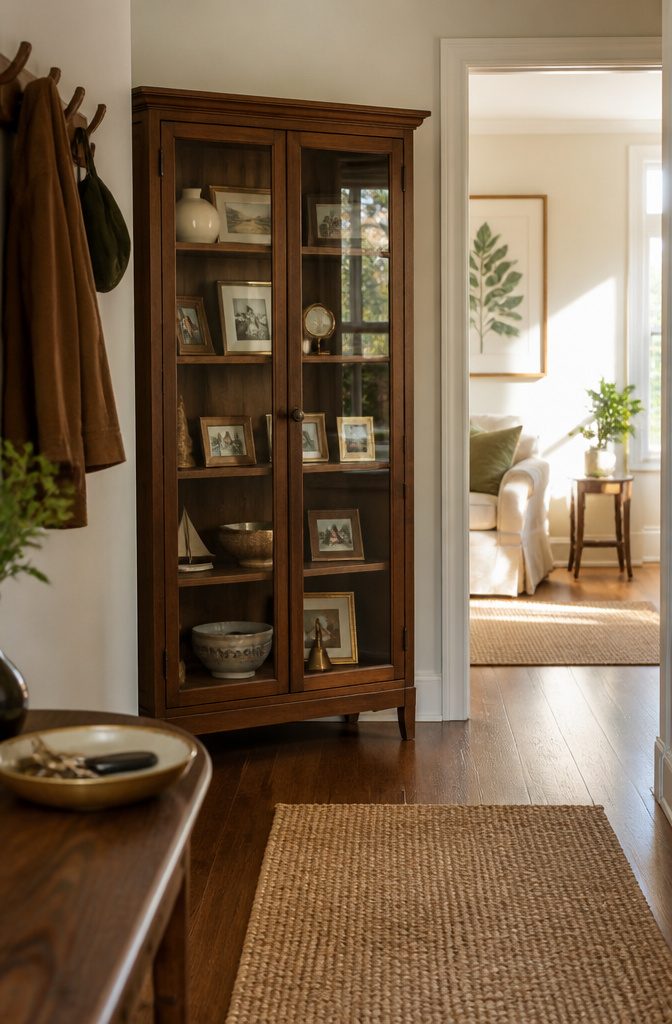
A china cabinet filled with family photos and meaningful objects turns it into something more personal than a display case for dishes.
Photographs in frames, travel mementos, heirlooms, and sentimental keepsakes become the story the cabinet tells about who you are.
The glass doors keep dust off these pieces while letting you see them every day, which matters more for items you actually want to live with than for formal china that sits untouched for months.
The cabinet works especially well in an entryway, where it makes a strong first impression on guests.
You can style it the way you would style a credenza: layer family photos with special items from travels and decorative pieces that matter to you.
The enclosed shelves protect fragile or meaningful objects while still putting them on view, and the arrangement stays clean without the constant dusting that open shelving demands.
This approach treats the cabinet as a keeper of memory rather than a formal showcase, which is exactly what makes it worth keeping in your home.

Complete DIY Display Frame This elegant wooden display case features a smooth, polished finish.And clear shatterproof acrylic front to help isolate dust and display your memories. It comes with a silk scarf, feathers, pearl bows, artificial flowers, double-sided tape, and other charming decorations. You can use it exactly as it arrives or customise it into a truly one-of-a-kind creation.

Coordinated Display Set: Create a polished, coordinated look for shelves, counters, mantels, buffets, craft booths, retail displays, or special events with this matching set of smooth gold metal easels designed to make small decor pieces stand out beautifully

Clear Acrylic Design: Made of transparent acrylic, this plate stand features a clean, minimalist appearance that lets your plates and decorative pieces stand out without distracting from their original colors, patterns, and details.
4. Store books and media
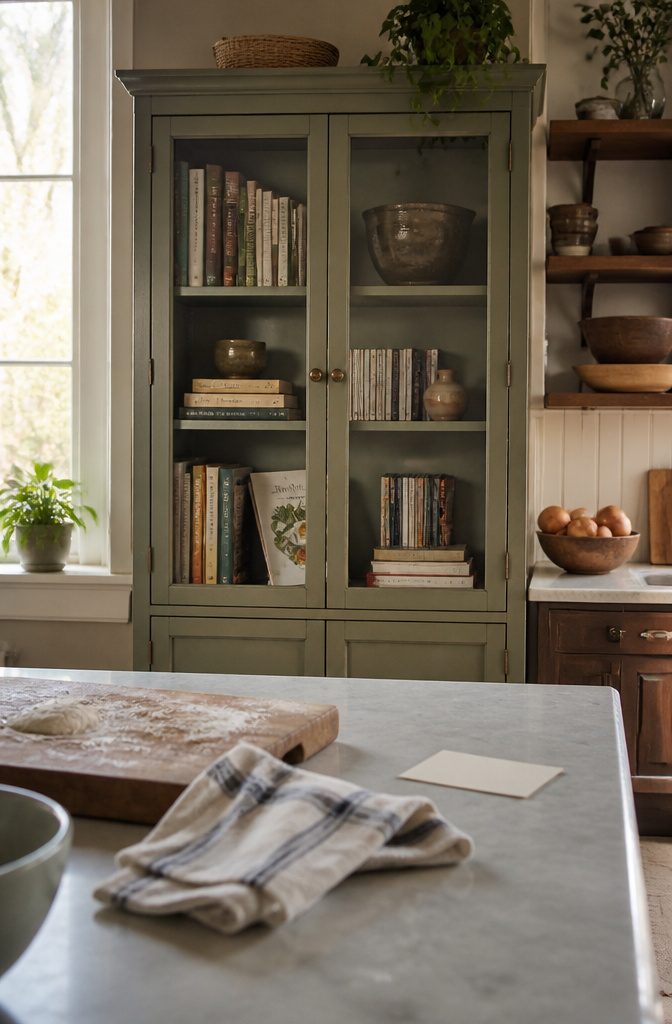
Books, cookbooks, and media fit naturally into a china cabinet’s enclosed shelves. The glass doors keep dust off spines and covers while letting you see what you own without opening anything.
Arrange them upright, spine-out for easy browsing, or lay some flat and stack others to vary the visual rhythm. Paperbacks take less depth than hardcovers, so you can layer them front to back and use the full shelf space.
A china cabinet works especially well for cookbooks you actually use, since it keeps them visible and accessible in the kitchen without taking up counter space.
Lean a few forward to feature the covers you love. Music or movie storage follows the same principle: the cabinet holds a collection safely while keeping it on display instead of crammed into a closet.
The height of most shelves suits standard book depths, though you may need to remove a shelf or two if you have oversized art books or coffee table volumes.
You want the contents visible and easy to find. You know what you have, and pulling a book out does not mean moving three others first.

Made of sturdy, eco-friendly, and easy-to-clean bamboo. Surface special treatment. No crack, no deformation.

STACKABLE PLATTER STORAGE - The china storage containers has a sturdy top, bottom and side. It is 17" x 13" x 6". Added protection when storing, transporting or moving you china dishes. It includes a label holder to easily identify contents
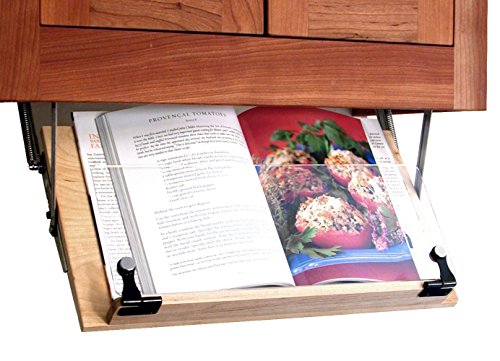
This Cookbook Holder folds up under cabinet when not in use saving counter space. The hinged front allows easy page turning and protects from kitchen splatter. US made with native maple base and decorative metal hinges. Folds flat for storage.
5. Use it for bath linens and supplies
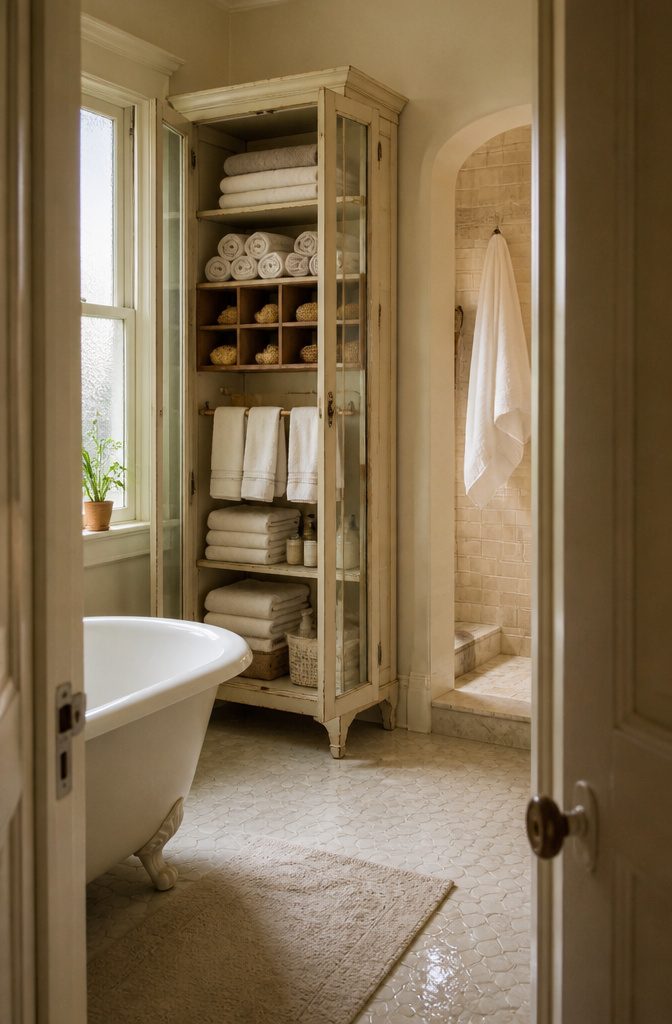
A china cabinet fits seamlessly into a bathroom where linen closets don’t exist or where you’ve simply run out of storage room.
Roll towels or fold them standing up along the shelves, and use smaller compartments for washcloths, hand towels, and bath supplies.
The enclosed cabinet keeps everything dust-free and organized, which matters more in a bathroom than in a living room because moisture and humidity can settle on anything left open.
Glass doors let you see what you need without opening them, and the cabinet’s frame and hardware work as bathroom decor in the same way a vintage vanity does.
If you choose this route, make sure air can circulate inside. A slightly cracked door or small gaps between the cabinet and wall prevent moisture from pooling, which protects both your textiles and the cabinet’s finish.
Towel bars inside the cabinet work better than trying to cram everything onto shelves, and you can hang brushes or small natural sponges the same way.

Firm Upright Construction: Storage Baskets for Shelves has strengthened metal frame and sturdy base to avoid sagging, Foldable bars for flat storage. selected Small (16.9X11.4X7.7 in) or Medium (16.9X11.4X10 in), available in 1 pack or 2 packs.

Wood Bathroom Cabinet:The storage cabinet is made of high-quality MDF boards with painted finish. Thus, the surface is water-proof, smooth and easy to clean. It is convenient to open or close the drawer and door with metal round knobs.

CLOTHING STORAGE: This clothes hamper offers spacious capacity and dual versatility; keep clean or soiled clothes in the fabric hamper and use the side shelves and top surface to store laundry supplies, dryer balls, stain removers, irons, pastes, or freshly laundered clothes or towels; the laundry bag is sturdy enough to hold a large amount of clothes, towels, bedding, and more; perfect for the laundry room, baby's room, bedroom, or guest room.
6. Store folded clothes, shoes, and boots
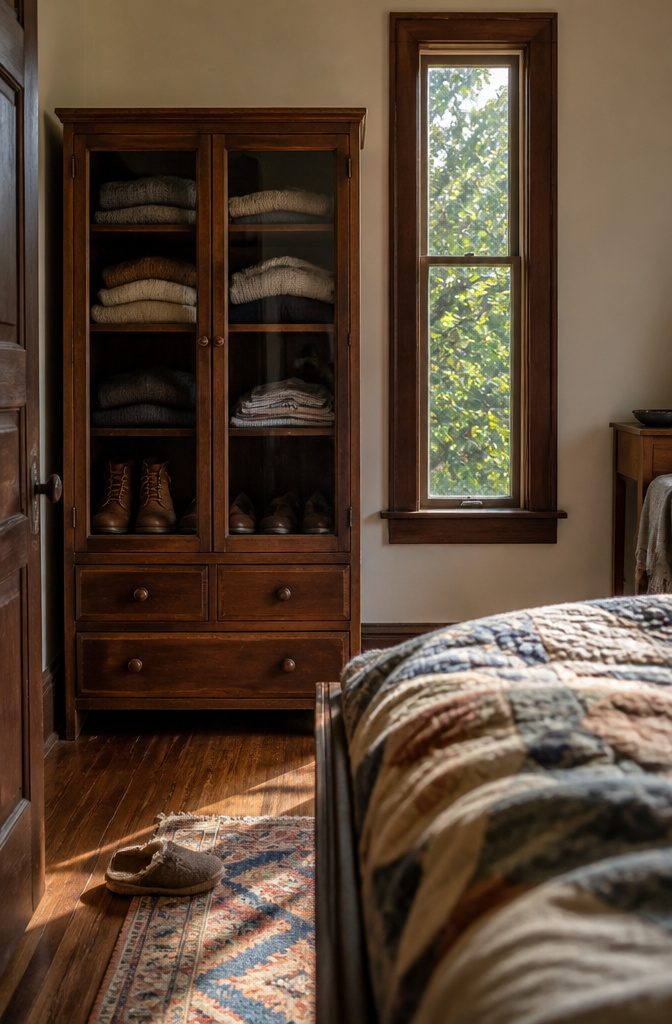
A bedroom without a closet is where a china cabinet earns its keep. Folded clothes fit into the drawers, and if the shelves are removable, a tension rod transforms the upper cabinet into hanging space.
Boots and shoes go at the bottom of the glass cabinet or underneath if it stands on legs. The glass doors let you see what you need without opening them, which matters when a bedroom has limited wall space.
Older homes built in an era when people preferred to fold rather than hang find the cabinet’s proportions especially useful; the cabinet itself fits the style those rooms already have.
In a small bedroom, this setup replaces what a standalone dresser or armoire would take up, and the glass front keeps the space from feeling closed off the way solid wood storage would.

MULTI-FUNCTION RGB LED CABINET: This kitchen pantry cabinet is equipped with a smart RGB LED light strip, controllable via an intuitive app or a convenient switch. Featuring over 60,000 vibrant colors, it allows you to customize the ambiance to suit your mood with adjustable brightness and color settings. For an enhanced experience, sync the lights to the beat of your favorite music, creating a dynamic and immersive party atmosphere

MULTI-FUNCTION RGB LED CABINET: This kitchen pantry cabinet is equipped with a smart RGB LED light strip, controllable via an intuitive app or a convenient switch. Featuring over 60,000 vibrant colors, it allows you to customize the ambiance to suit your mood with adjustable brightness and color settings. For an enhanced experience, sync the lights to the beat of your favorite music, creating a dynamic and immersive party atmosphere

MULTI-FUNCTION RGB LED CABINET: This kitchen pantry cabinet is equipped with a smart RGB LED light strip, controllable via an intuitive app or a convenient switch. Featuring over 60,000 vibrant colors, it allows you to customize the ambiance to suit your mood with adjustable brightness and color settings. For an enhanced experience, sync the lights to the beat of your favorite music, creating a dynamic and immersive party atmosphere
7. Use it for craft supplies
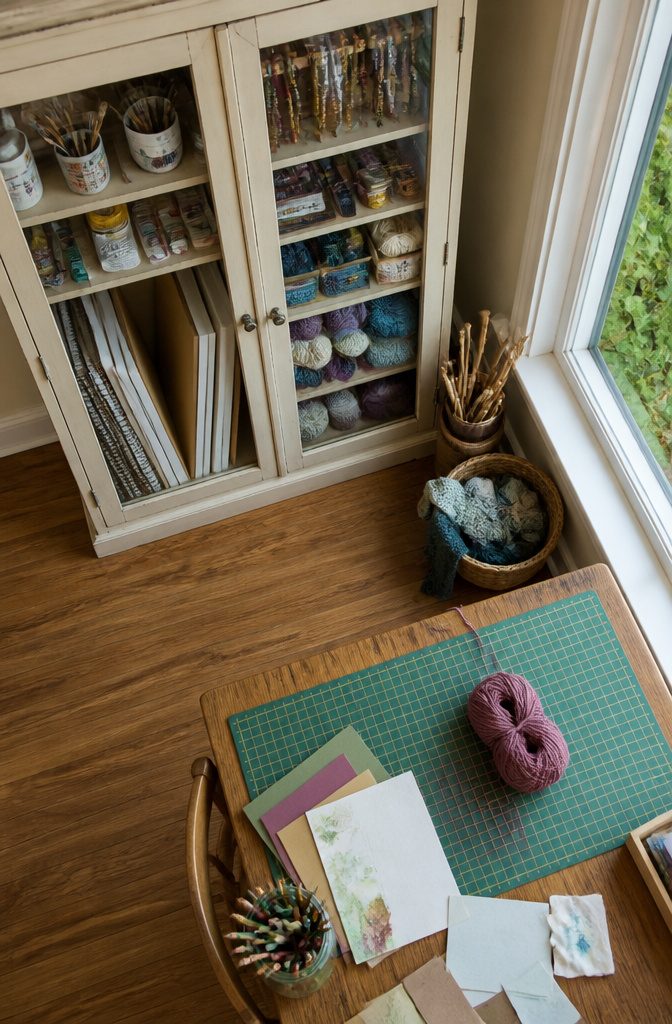
A china cabinet holds supplies as well as it holds dishes. Canvases and drawing pads slide onto shelves without damage, and the glass doors keep dust off materials you want to protect.
Paint tubes, brushes, and yarn fit into the smaller compartments; hooks screwed into the interior frame can hold jewelry-making tools, beads on strings, or knitting needles.
The closed cabinet contains the clutter of an active project; the visual noise stays behind glass while you work.
The shelves are deep enough that you aren’t fighting for space the way you would in a shallow closet. The result is a creative workspace that folds out of sight when you step away from it.
For anyone who makes things but does not have a dedicated studio, the china cabinet becomes exactly what the room needs: storage that does not demand to be seen.

Package Inclusion: the package includes 4 pieces of our acrylic plate stands for display, each plate stand contains 2 tiers, which can hold 2 plates, 8 plates in total; This multipack is ideal for gifting purposes or personal use; Show off multiple plates or photos, and you can gift these to your loved ones; They make a nice gift choice for housewarmings, weddings, birthdays, or any special occasion; Please remove the protective film before use
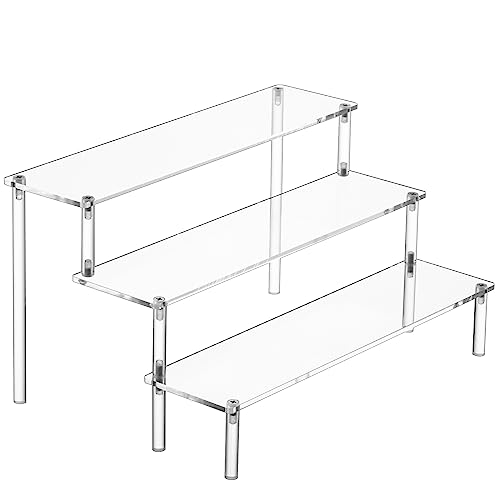
Keep things organized: Acrylic display risers can keep your things organized, saves space. You can find them quickly and easily, no more searching messy drawers, all of your things. Acrylic risers for display shelves are easy to place, fit on your dresser, table organization, funko pop display case, and are also suitable for all colors or themes of the room
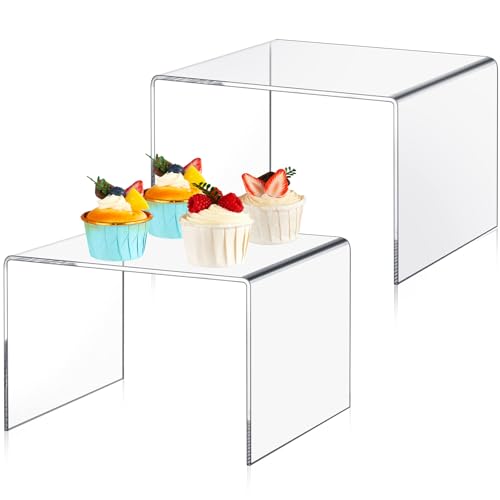
Ready to Use: with these large acrylic risers display stands, setting up your display is as simple as peeling off the protective film; Once the film is removed, you have a glistening acrylic layer ready to showcase your items in the best light possible
8. Store blankets and household essentials
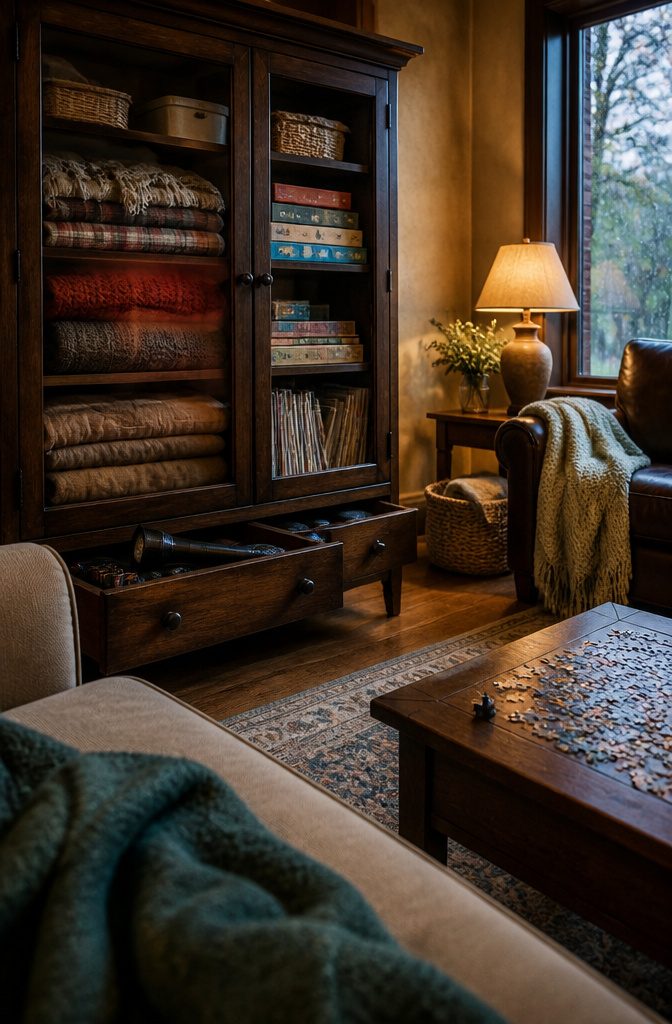
A china cabinet works well for the household items you actually reach for and need organized.
Blankets stay flat on shelves and stay clean, which matters more in a dining room or den where dust settles. Board games stack neatly behind glass doors where kids can see them but where boxes won’t get crushed.
Magazines and reference books sit upright without taking up prime shelf space elsewhere. Flashlights, batteries, and other small essentials live in the drawers, grouped by type so you find them when the power goes out or you need one fast.
The cabinet keeps these things visible and accessible without cluttering a closet or bedroom corner, and the doors contain what would otherwise scatter across a room.
This works best when you group by function rather than mixing unrelated items, so everything has a place and you know where to look.

ENJOY PERSONALIZED DIY CRAFT MAKING This all-inclusive acrylic magnet kit comes with complete accessories to support your handmade creation. You can easily customize unique fridge ornaments with your favorite photos, hand-drawn patterns, tiny artworks and memorable keepsakes, bringing endless fun of handmade craft creation for family members and craft lovers.

Show off plates, bowls, tiles, framed photos, small artwork, signs, collectibles, and keepsakes with smooth chrome easels designed to adjust for a secure, balanced display.

MAXIMIZE CORNER SPACE – Designed to fit neatly into unused corners, adding valuable display and storage space without taking up extra room.
9. Display pottery, glassware, and vases
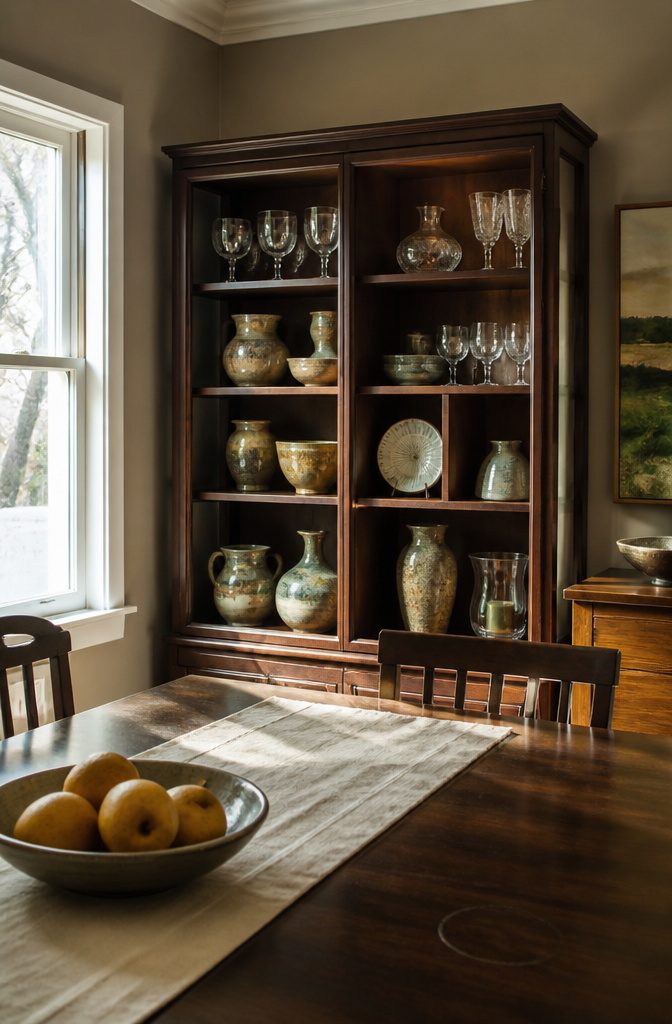
Pottery and glassware work beautifully in a china cabinet because they share the formal presence of fine dinnerware without the constraint of matching sets.
Handmade pottery, glass pieces, and vases give you room to mix: stack some pieces, lean others, and let scale vary shelf to shelf.
The visual weight matters more than uniformity. Lighter items like delicate saucers and crystal glasses belong on top shelves, where they catch light; heavier vases and serving pieces anchor the bottom.
Small cubbies work well for a single decorative plate or a cup and saucer, while taller cubbies hold vases, candlesticks, and trophies. Groupings of crystal wine glasses catch the eye on a top ledge, especially if overhead lighting hits them.
Keep related pieces together on their own shelf section rather than scattering them, which gives the display a more purposeful look than random arrangement alone.

Package Inclusion: the package includes 4 pieces of our acrylic plate stands for display, each plate stand contains 4 tiers, which can hold 4 plates, 16 plates in total; This multipack is ideal for gifting purposes or personal use; Show off multiple plates or photos, and you can gift these to your loved ones; They make a nice gift choice for housewarmings, weddings, birthdays, or any special occasion; Please remove the protective film before use
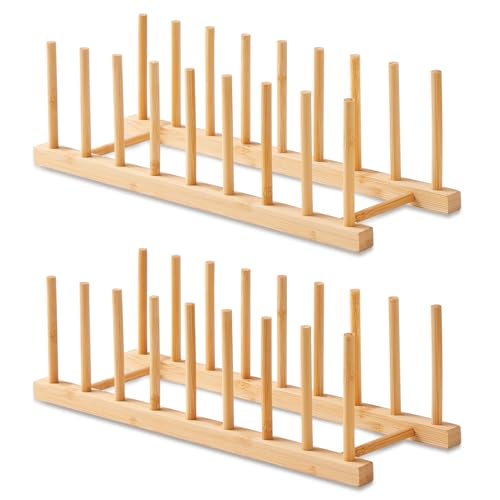
Versatile & Space-Saving Storage Solution: This bamboo kitchen cabinet organizer beautifully organizes not just plates organizer for cabinet, but also great pot lids, cutting boards, baking sheets, books, bottles, puzzle organizers, and more. Its smart design maximizes countertop or cabinet space, turning everyday clutter into a tidy, functional display that fits seamlessly into your kitchen, dining area, or living space.

Experience Lasting Durability with Premium Bamboo – Crafted from 100% solid bamboo, this pots and pans organizer under cabinet offers sturdy, expandable storage for frying pans, skillets, baking pans, cookie sheets, cutting boards, pot lids, trays and plates while adding a beautiful natural touch to your kitchen
10. Display candles and candleholders
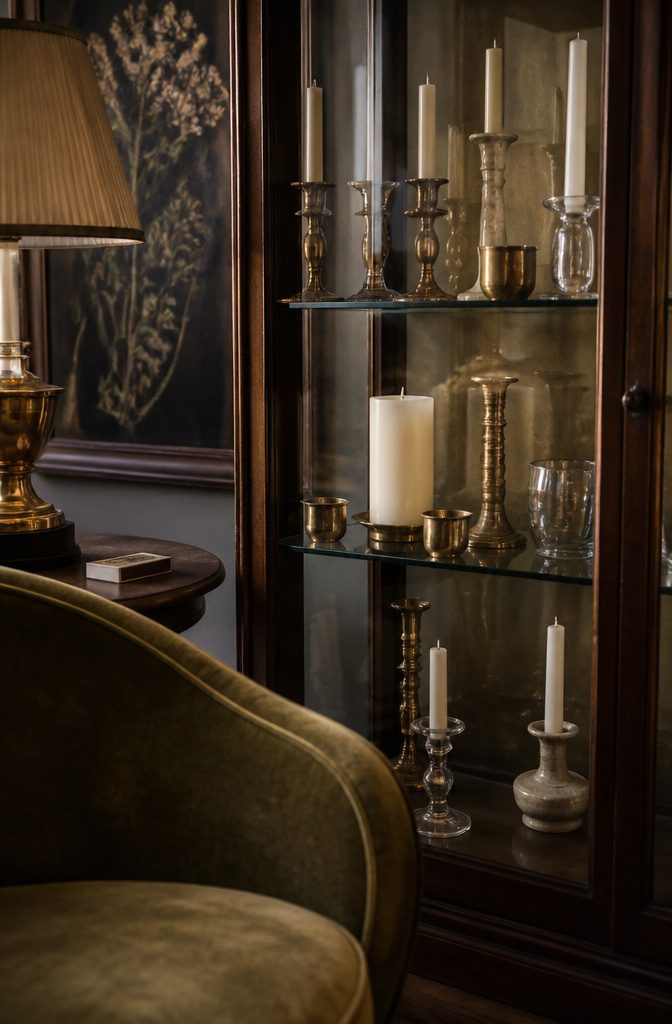
Tall candlesticks and candleholders fill the longer cubbies or open shelves of a china cabinet without demanding the careful handling that china requires.
A single statement candle or a cluster of votives in matching holders can anchor a shelf, then let smaller objects fill the gaps around them.
Pillar candles in cream or ivory read more classic than bright colors, though a deep jewel tone works if the rest of your display leans moody.
High-end candles like those from Diptyque or Monique Lhuillier signal intentionality through their packaging alone, which matters when they’re sitting behind glass. Candleholders themselves, in brass, ceramic, or glass, become the display piece even when they’re unlit.
The scale works in your favor: candlesticks are tall enough to break up a shelf vertically without taking up much depth, which matters in cabinets where space is already carved into sections.
Mix heights and metals rather than matching sets, which can read staged rather than collected.

Wood Bathroom Cabinet:The storage cabinet is made of high-quality MDF boards with painted finish. Thus, the surface is water-proof, smooth and easy to clean. It is convenient to open or close the drawer and door with metal round knobs.

This small rectangular cotton rope storage basket is designed to fit standard household shelves, supporting organized storage across living rooms, bathrooms, and spaces
11. Use it as an entryway display
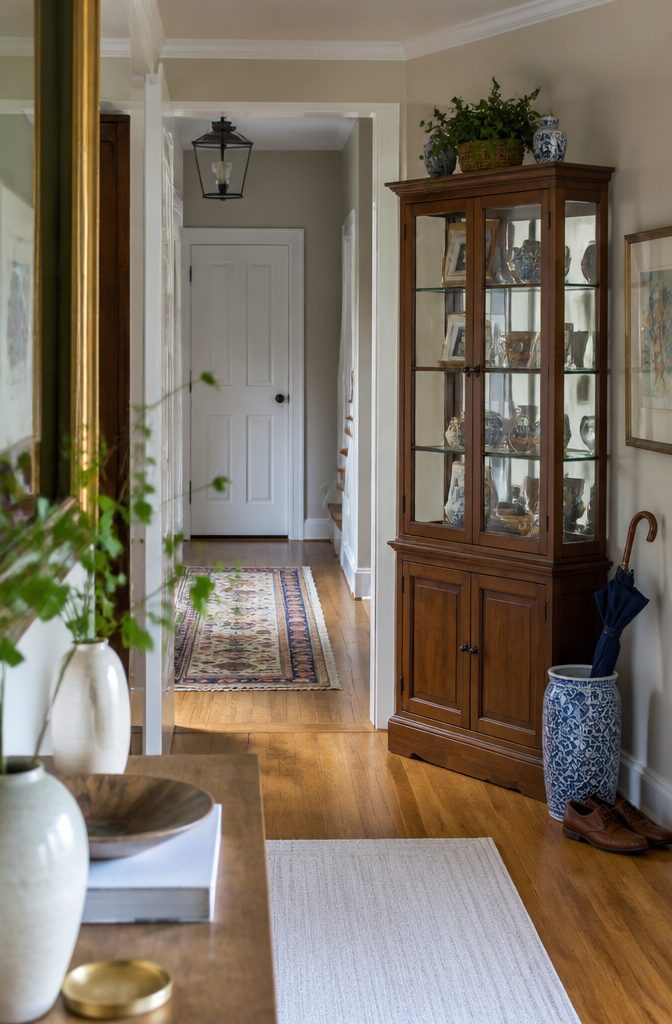
A china cabinet works beautifully in an entryway as an alternative to a credenza, giving you a polished first impression without the dust.
Style it with family pictures, collectibles from travels, and special items you want guests to notice when they walk in. The glass doors keep everything visible and protected, which matters more in a high-traffic spot than in a dining room.
You have room to layer pieces (a framed photo, a small souvenir from somewhere meaningful, a decorative object) the way you would on a credenza shelf, but the cabinet holds far more without clutter showing.
The enclosed storage also lets you rotate seasonal or sentimental items without reshuffling an open display every few weeks.
12. Use it in an awkward or open area
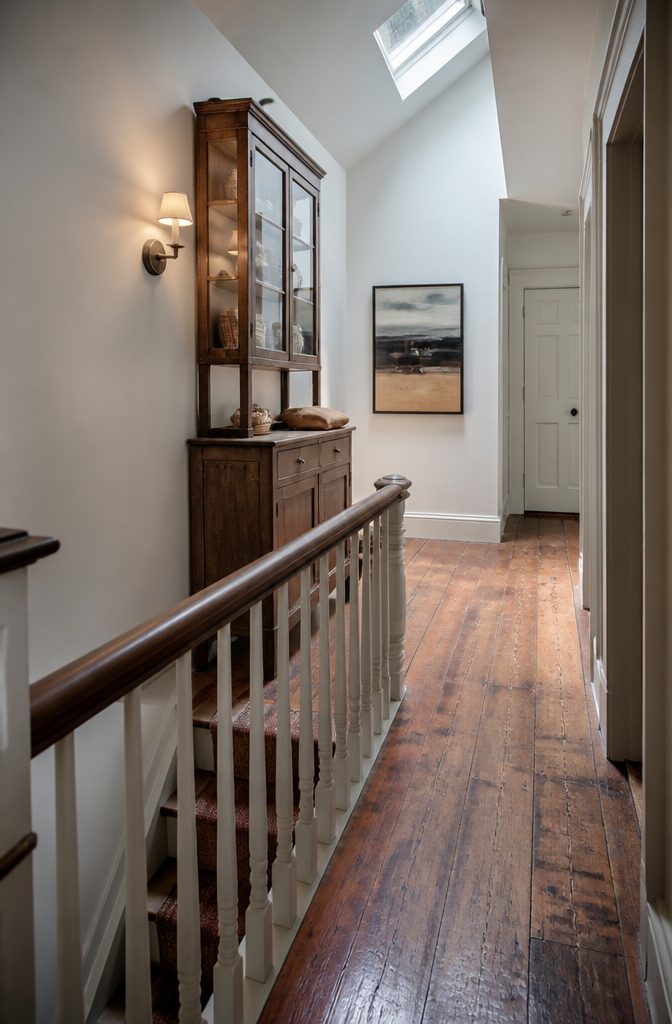
A china cabinet in an awkward landing or hallway does real work. These spaces often sit too dim for plants but perfect for a piece of furniture that anchors the area.
The cabinet’s depth and height fill oversized landings without crowding the way a credenza alone would, and the glass front keeps the space from feeling blocked off.
A removable upper section works especially well in tight passages.
Because the top lifts away, you shed the visual weight that would otherwise make a narrow hallway feel smaller; the lower cabinet stays put while the top section can move to another room or storage.
This split also lets light travel higher through the space.
In a home office or den, the same cabinet becomes a room divider that screens without sealing. It defines the area without cutting off the rest of the room the way a solid wall would.
Match the cabinet’s footprint to the space. A large landing can carry a full-size piece; a walkway needs something narrower so traffic flows past it easily.
Either way, you’re using dead space that otherwise sits empty, and the cabinet earns its place by doing two jobs at once.
13. Create a seasonal display
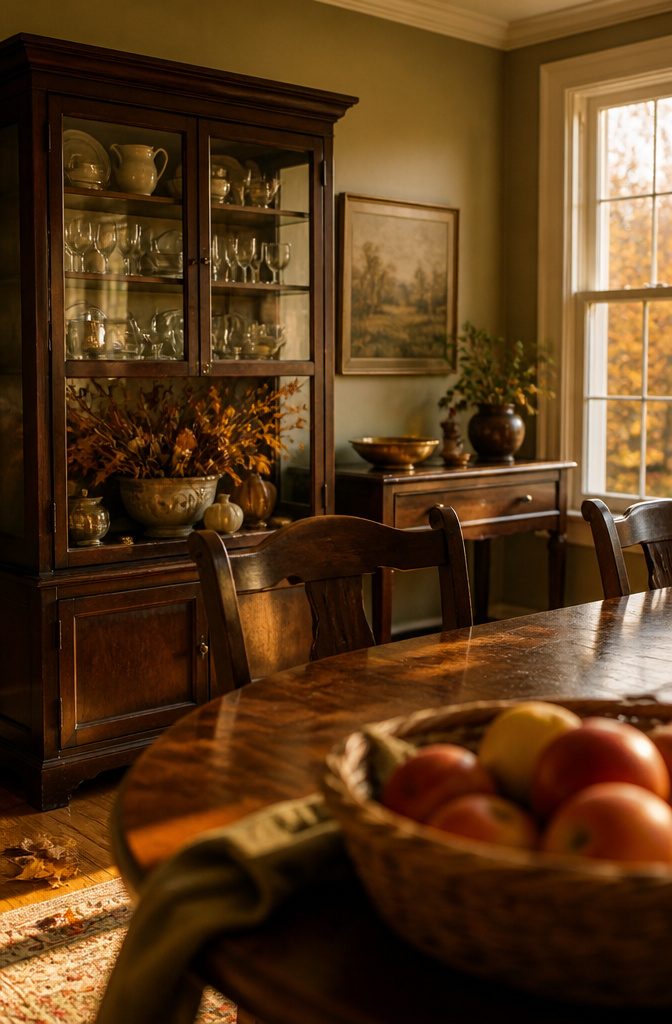
A china cabinet doesn’t have to stay the same all year. Setting aside one shelf, often the bottom one, gives you a rotating stage for seasonal pieces while the rest of the cabinet holds what you usually keep there.
Holly and ornaments work in December; swap them for colored eggs and a small scene on a tray come spring.
Large bowls and vases are natural vehicles for this: fill them with fresh branches in fall, silk flowers in summer, or fake fruit when it suits the mood.
This approach takes minimal effort to refresh, and the cabinet stays functional rather than turning into a single-season display. You’re not redesigning the whole piece, just letting one area breathe with the months.
14. Use the top of the cabinet for decor
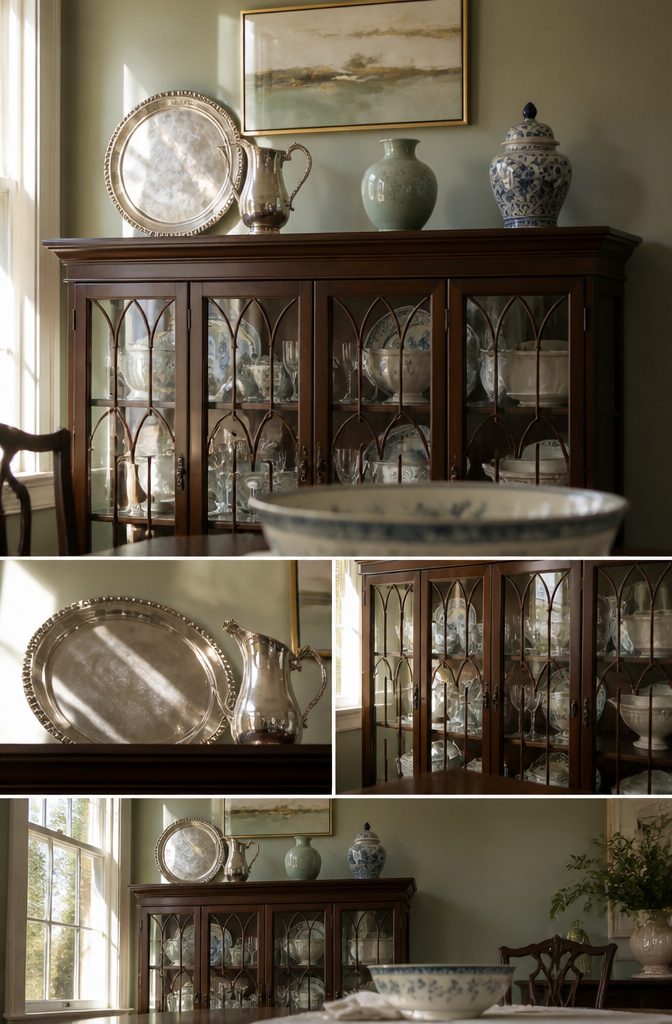
A freestanding china cabinet’s top is extra display real estate that extends your vignette beyond what fits inside.
Pieces up top should echo what’s below in color or style so the whole thing reads as one thought rather than two separate shelves. Silver platters, drinking pitchers, vases, and ginger jars all work.
So do baskets, framed art, or seasonal items. Arrange them with some breathing room rather than crowding every inch, and balance the weight across left and right so one side doesn’t feel heavier than the other.
The top lets you add items that belong in the same visual family as the cabinet’s interior without actually squeezing them inside, turning the piece from a single storage box into a full display.
15. Use drawers for silverware or other small storage
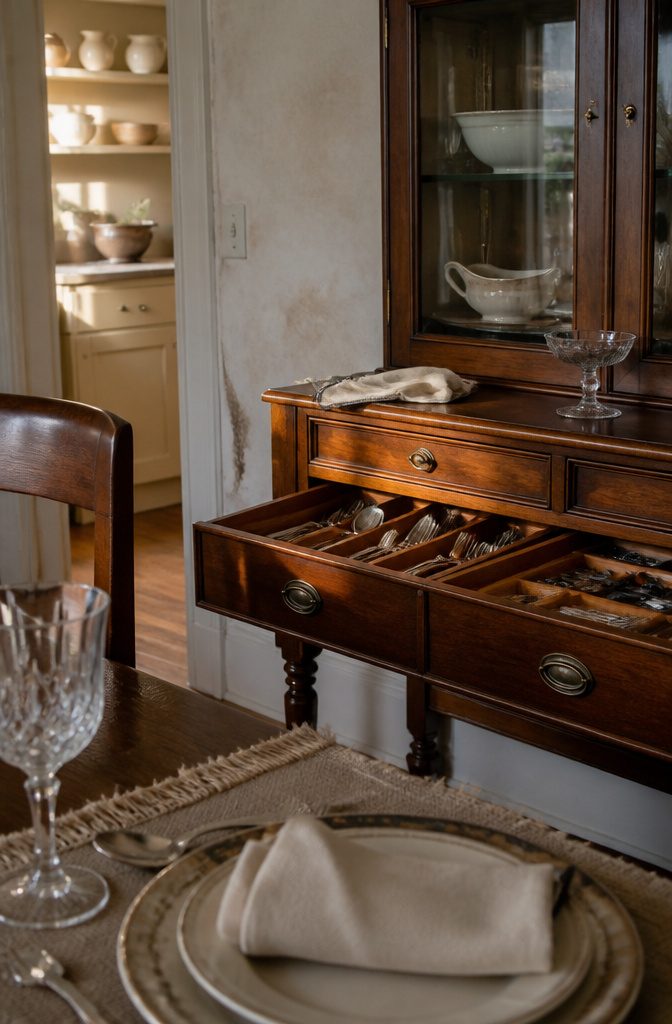
Drawers transform a china cabinet from display-only into working storage. Silverware lives best in a drawer rather than tucked into a cupboard you never open, where it stays polished and ready for the table.
The shallow depth of cabinet drawers works in your favor here. Flatware doesn’t need much room, and you can reach what you want without moving other pieces.
Removable shelves open up other options. Swap out a shelf for a deep drawer insert and you have room for craft supplies, thread, buttons, and small tools that need visibility without taking up kitchen drawer space.
Folded linens fit the same way, useful if your linen closet is across the house.
The cabinet stays in the living or dining room where you’re already thinking about what to grab, which beats storing things where you forget they exist.
Make the display personal and considered
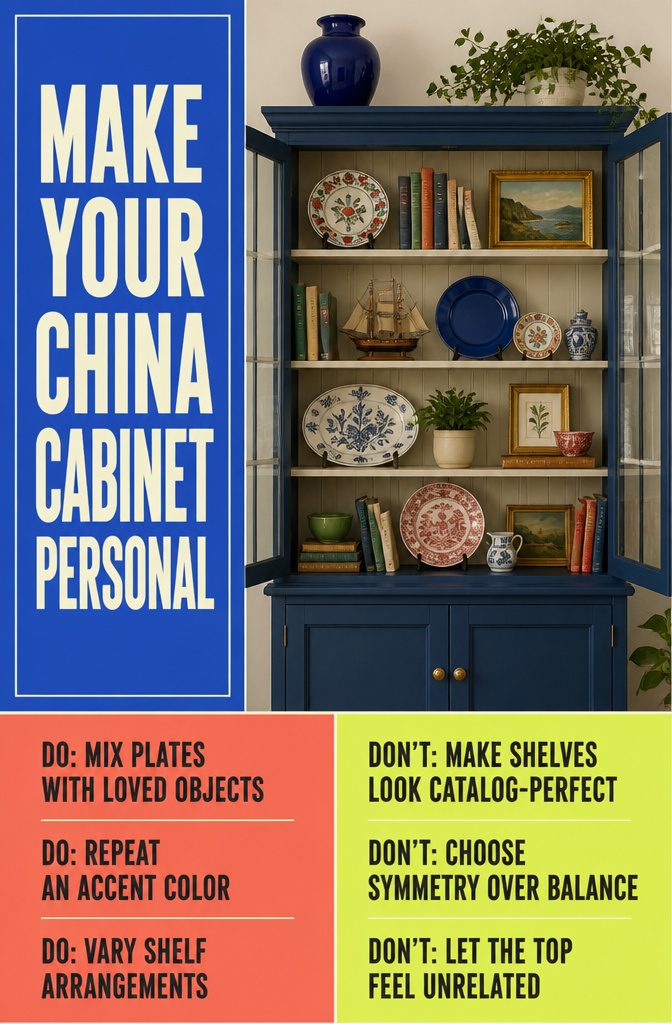
A china cabinet only comes alive when it reflects what matters to you.
The strongest displays mix objects with intention: a collection of colorful plates draws the eye because they share a visual thread, while adding books, ship models, or framed art next to traditional dinnerware creates something collected and personal rather than dutiful.
The mix works because it has a logic, even if that logic is "these are the things I love."
Balance matters more than symmetry. Stack some pieces, lean others, and vary how objects sit on each shelf so the cabinet doesn’t read as a catalog.
What lands on top should echo what’s inside in color or mood so the whole piece feels coordinated, not random.
An accent color running through both the display and the cabinet’s exterior (say, colorful objects against a blue case) makes the arrangement feel intentional and draws attention upward. Build a cabinet that starts conversations, not one that simply holds things.
Protect fragile pieces and arrange with care
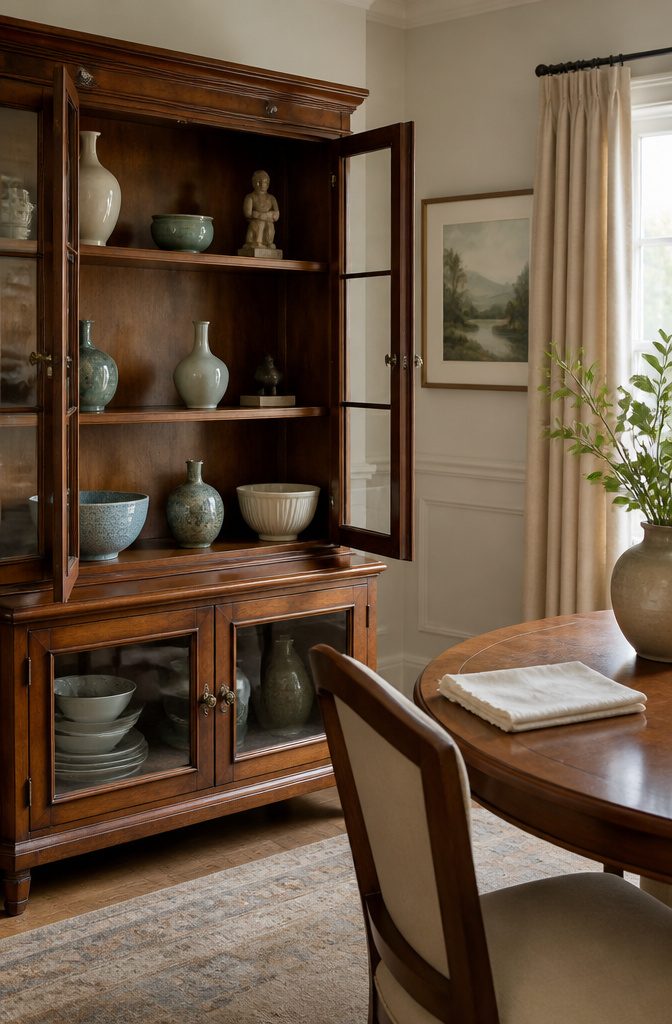
Fragile objects need breathing room inside the cabinet. Space items so they won’t strike each other when you reach in or when the cabinet shifts; a gap of a few inches between pieces catches most accidents before they happen.
Museum putty works well for steadying vases or sculptures that might tip, and it peels away cleanly without leaving residue.
Think strategically about placement. Treasured pieces belong higher up where you see them first and where they’re less likely to get bumped during daily use.
Lower shelves work better as a catchall for objects you handle more often, or pieces sturdy enough that a minor tumble won’t matter.
This split keeps your best finds visible and protected while still making the cabinet functional for everyday reach-and-grab access.
Choose paint color and finish to match your space
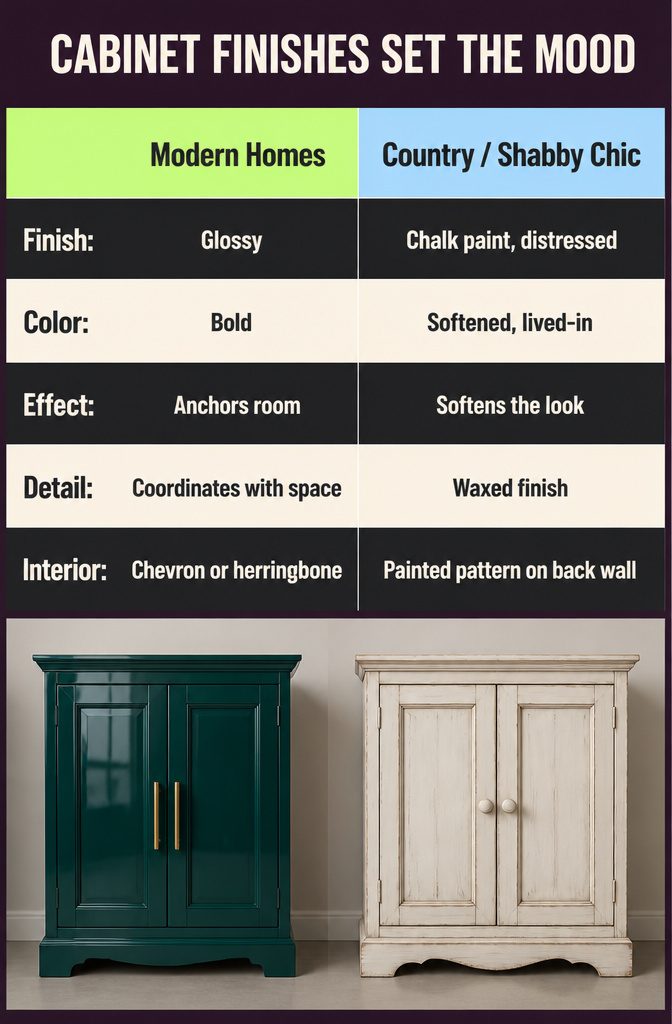
The cabinet’s color and finish set the tone for everything inside it. A glossy bold color works best in modern homes, anchoring the cabinet to the rest of your space rather than letting it sit as an afterthought.
For a country or shabby chic look, chalk paint with distressing and wax gives that softened, lived-in feel.
If you want the cabinet to recede into the background, semi-gloss or matte finishes in muted tones like gray, taupe, or cream keep things understated without drawing attention.
Dark, rich stains suit formal spaces and let decorative objects stand out against them.
The interior also matters: a painted pattern on the back wall, chevron or herringbone, adds visual interest without cluttering the shelves themselves. Match the cabinet to your room’s design, not fight against it.
Add lighting and arrange by weight and scale
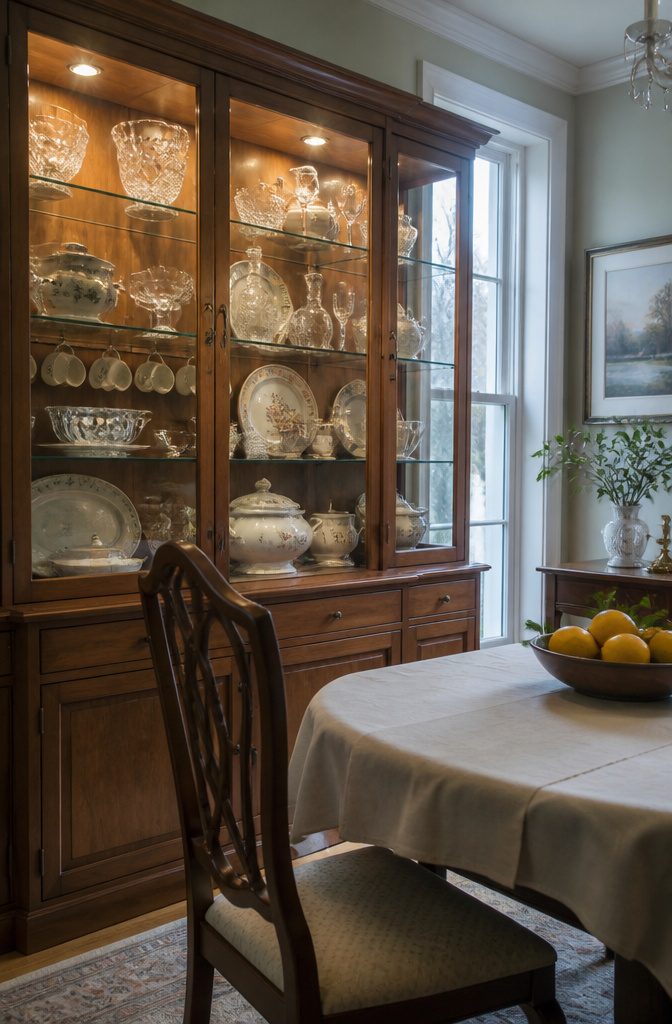
A china cabinet with interior lighting transforms what sits inside, turning ordinary pieces into focal points. If your cabinet has an overhead fixture, crystal and glassware on the top shelves will catch and scatter that light, creating visible sparkle.
Track or recessed lighting positioned to hit the middle shelves works just as well. Placing the cabinet where it catches natural daylight ensures items show clearly in all conditions.
The arrangement itself matters as much as the light.
Stack heavier serving platters and bowls on the bottom shelves, keeping lightweight pieces and crystal on top. This weight distribution is the conventional visual pyramid: it looks stable because it is.
Place larger items toward the back of each shelf and lean smaller pieces in front for depth. Teacups hung on hooks along a shelf edge save space while creating the formal, orderly look they deserve.
Keep similar pieces together in their own section rather than scattering them.
When each shelf mirrors the other side, symmetry on the left matching symmetry on the right, the whole cabinet reads as intentional rather than random. The result is a composed display where every item, lit and positioned, actually gets seen.
Frequently Asked Questions
Is there another name for a china cabinet?
China cabinets are also called china hutches or hutches.
The terms refer to the same piece of furniture: a cabinet with glass or mirror paneling, usually with a base section and upper shelving, traditionally used in dining rooms to display dinnerware and special items.
What can you put on top of a china cabinet?
The top surface works as extra display space for platters, vases, ginger jars, baskets, framed art, or seasonal pieces.
Coordinate items on top with what’s inside so they read as one unified display, and arrange them with breathing room rather than crowding every inch.
Are china cabinets out of style in 2026?
China cabinets have moved beyond their formal reputation and remain relevant when styled with intention.
Top designers now fill them with collectibles, books, candles, family photos, and unexpected pieces alongside traditional dinnerware, giving cabinets new purpose in modern homes where they work as functional storage or personal display.
How do you get rid of an old china cabinet?
Donation to thrift stores, furniture banks, or charities is the fastest route for usable pieces.
Online marketplaces like Facebook Marketplace, Craigslist, or Nextdoor connect you with local buyers. If the cabinet is damaged beyond use, check municipal bulk pickup schedules or hire a junk removal service.