
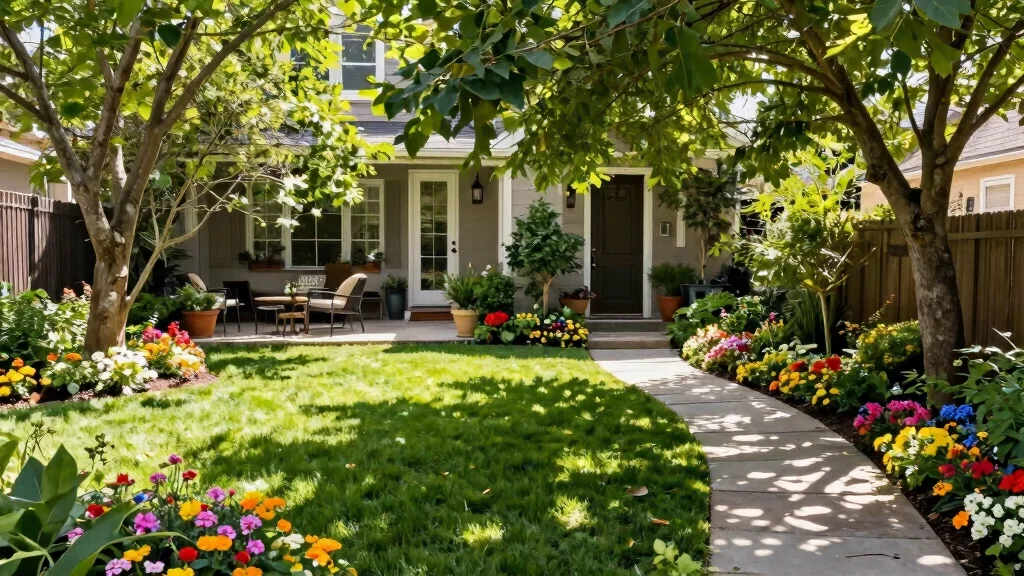
Spring is here, and it’s the perfect time to think about sprucing up your front yard. If you’re anything like me, you’re probably craving a space that not only looks beautiful but also offers some much-needed shade. The sun can be relentless, and having trees in your front yard can make a world of difference. That’s why I’ve put together this guide on the best front yard trees that grow fast and provide instant shade.
This post is for anyone who loves gardening but may not have the time or expertise to maintain a high-maintenance landscape. If you’re looking for low-maintenance options that will instantly enhance your front yard, you’re in the right place. Whether you’re a seasoned gardener or just starting, these trees offer a quick way to create a cool, inviting atmosphere in your yard.
In this guide, you’ll discover 14 fast-growing front yard trees that not only provide shade but also add beauty to your outdoor space. These trees are perfect for small areas and require minimal upkeep. With each option, I’ll share valuable information about its growth habits, shade potential, and maintenance requirements. By the end of this article, you’ll have a clear idea of which trees will work best for your front yard, making your landscaping decisions easier and more enjoyable.
Key Takeaways
– Fast-Growing Options: Look for trees like the Red Maple and Silver Maple, which can quickly provide shade and beauty in your front yard.
– Low-Maintenance Choices: Many of the trees listed, such as the Honeylocust and Crape Myrtle, require minimal care, making them perfect for busy homeowners.
– Instant Shade Providers: Trees like the Tulip Tree and Sweetgum are known for their thick canopies, offering immediate relief from the sun.
– Aesthetic Appeal: Each tree adds unique beauty to your yard, whether you’re drawn to vibrant flowers or striking foliage like the Japanese Maple.
– Space-Saving Solutions: The trees highlighted are suitable for small spaces, making them ideal for urban or suburban front yards.
1. Red Maple (Acer rubrum)
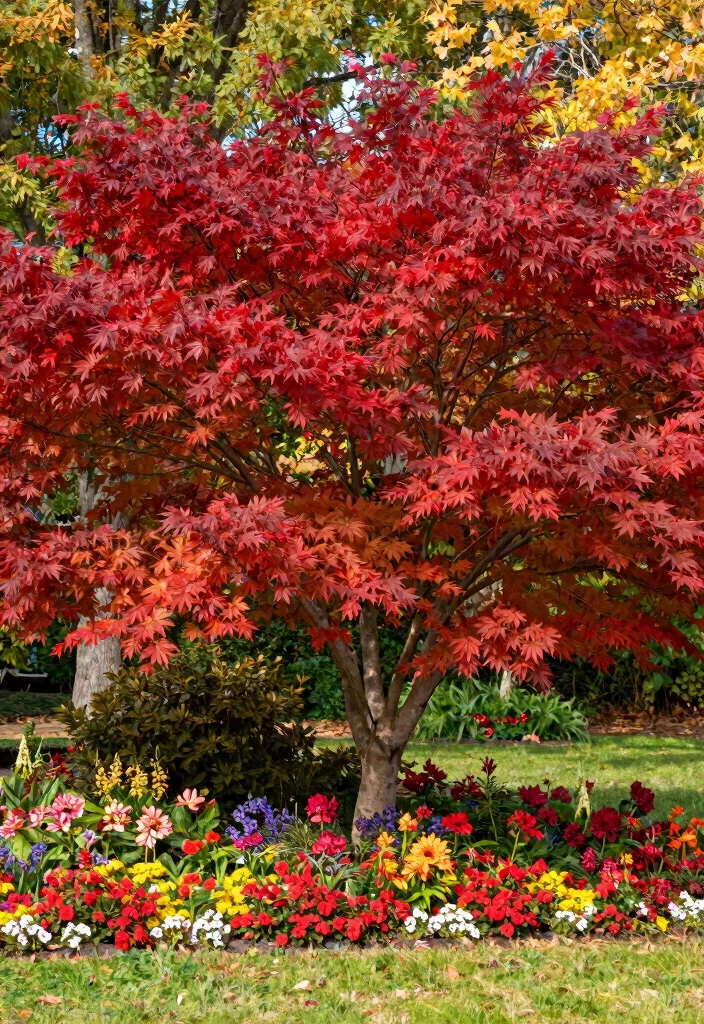
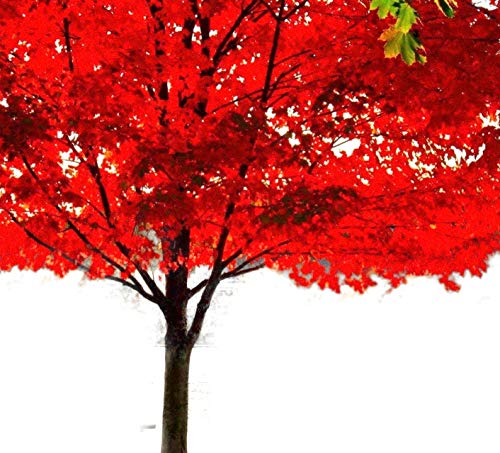
If you’re looking to brighten up your front yard, the Red Maple is a fantastic choice. Its vibrant red leaves in the fall create a stunning spectacle that captures attention. This fast-growing tree can reach heights of 40 to 60 feet, offering plenty of shade during hot summer days, while thriving in a variety of soil types and light conditions.
To make the most of your Red Maple, consider planting it in a location that receives full sun or partial shade. Pair it with colorful perennials or low shrubs for added depth and visual interest in your landscape.
Key features of the Red Maple:
– Brilliant fall color that enhances seasonal beauty.
– Adaptable to wet conditions, making it versatile.
– Attracts wildlife, inviting birds and pollinators.
This tree not only enhances your front yard’s aesthetic but also creates a lively habitat for local wildlife.
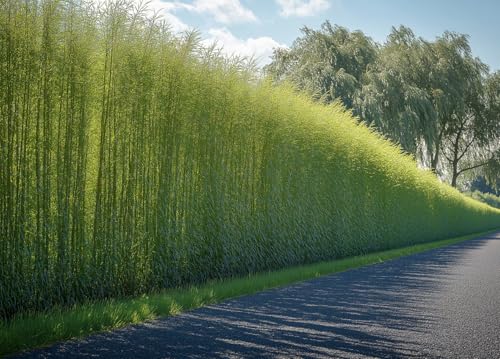
Easy to Grow - Low Maintenance Trees. Space 1-2 Feet Apart for a Fast Hedge

Product Highlights: Five plus viable seeds for a successful start; High-quality Acacia-type Golden Mimosa seeds; Packaged for optimal storage and germination potential

Easy to Grow - Low Maintenance Trees. Space 1-2 Feet Apart for a Fast Hedge
2. Tulip Tree (Liriodendron tulipifera)
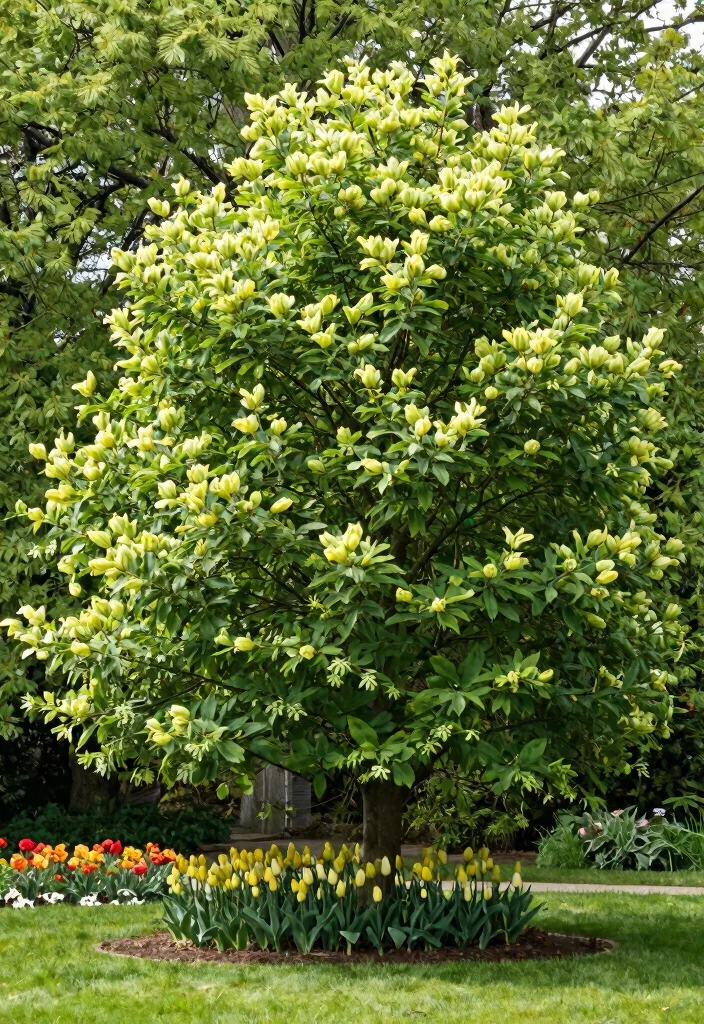
The Tulip Tree brings beauty and shade to your yard with its distinctive tulip-shaped flowers and lush leaves. Growing up to 70 feet tall, it provides a striking focal point while offering a generous canopy to cool your outdoor space. Its vibrant yellow-green blooms in spring create a cheerful atmosphere, making it a wonderful addition to any landscape.
When landscaping, think about using the Tulip Tree as a centerpiece, or plant it among other shade-loving varieties for a rich tapestry of colors and textures. This tree thrives in full sun, so choose a sunny spot for optimal growth.
Highlights of the Tulip Tree:
– Spring blooms that add a splash of color.
– Dense shade perfect for relaxing areas.
– Supports pollinators, enriching your garden’s ecosystem.
With its impressive stature and seasonal blooms, the Tulip Tree transforms your garden into a vibrant oasis.

Ultra-Realistic Greenery from an Original Industry Brand (Est. 2016) - Create a full, lush look with premium artificial greenery panels designed by one of the original brands in the greenery wall space. With over 30+ leaf styles and dense boxwood coverage, these panels deliver a natural, realistic plant wall appearance that elevates any home, event, or commercial setting—without trimming, watering, or upkeep.

White Mexican Rose (Echeveria elegans)|Elephant Bush (Portulacaria afra)|Spiral Aloe (Aloe polyphylla) |Baby Rubber Plant (Peperomia obtusifolia)|Burro’s Tail (Sedum morganianum)

Ultra-Realistic Greenery from an Original Industry Brand (Est. 2016) - Create a full, lush look with premium artificial greenery panels designed by one of the original brands in the greenery wall space. With over 30+ leaf styles and dense boxwood coverage, these panels deliver a natural, realistic plant wall appearance that elevates any home, event, or commercial setting—without trimming, watering, or upkeep.
3. Silver Maple (Acer saccharinum)
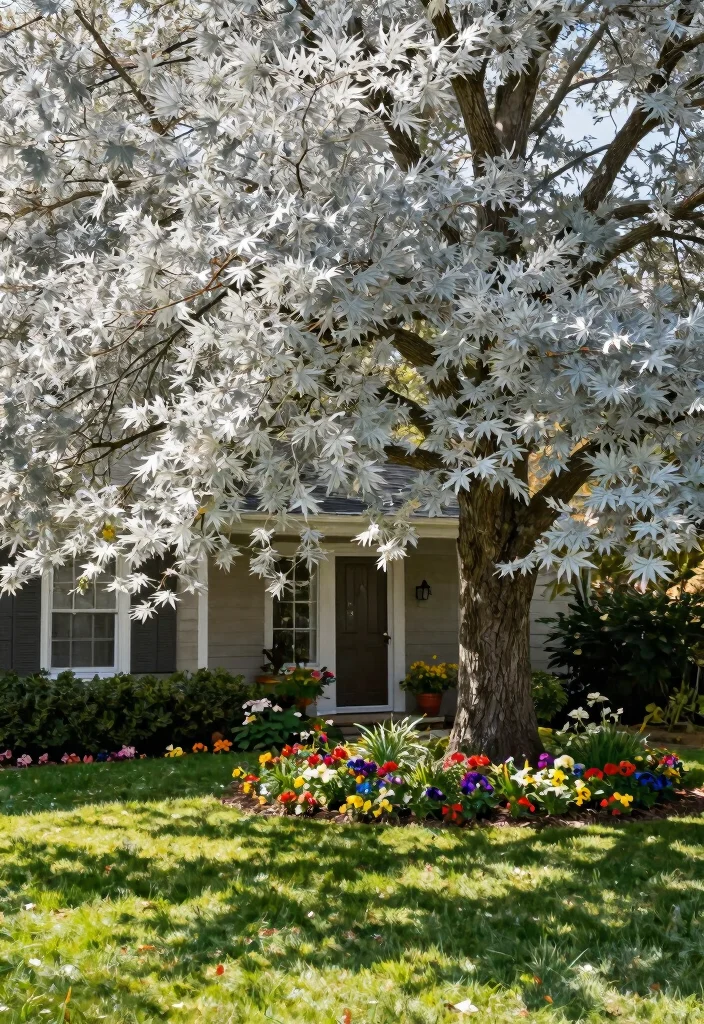
Silver Maples are perfect for homeowners who want to establish shade quickly. These trees can grow between 50 to 70 feet tall, creating a broad canopy that offers relief from the sun. Their silvery leaf undersides shimmer beautifully in the breeze, adding a touch of elegance to your yard.
Ensure you plant Silver Maples in a spacious area to accommodate their expansive root system. For added visual appeal, consider pairing them with colorful ground covers that complement their vibrant foliage.
Advantages of the Silver Maple:
– Fast growth for quick shade coverage.
– Tolerates various soil types, making it versatile.
– Foliage that turns yellow-orange in autumn.
This tree not only provides shade but also enhances your garden’s beauty year-round.
These are ready to plant and should be put in the ground according to the included instructions upon arrival. All pictures are of fully grown plants. Sizes shipped are in the title and description. Deciduous plants do not have leaves in the winter.

Sowing: Red Maple seeds require stratification before planting, simulating winter's cold to break dormancy. Sow the treated seeds into prepared soil after the last frost in spring, covering them with a thin layer of soil and keeping it moist.

Zones: Suitable for USDA Hardiness Zones 3-9 in the US, including the Northeast, Midwest, and parts of the South, thriving in temperate to subtropical climates.
4. Eastern Redbud (Cercis canadensis)
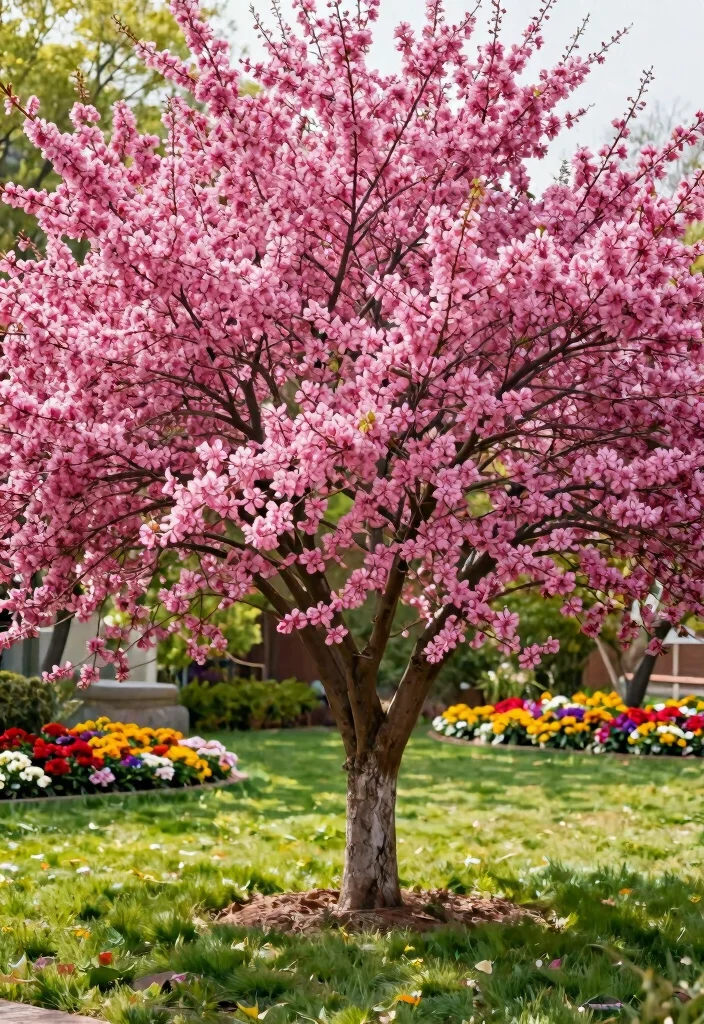
If you’re after blooms, the Eastern Redbud is a stunning option. This smaller tree reaches heights of 20 to 30 feet, making it ideal for tight spaces. In early spring, its vibrant pink flowers create a lively spectacle, adding charm before the leaves emerge.
Plant the Eastern Redbud near entryways or patios to fully appreciate its beauty. Surround it with low-growing plants to create an inviting and layered garden design.
Highlights of the Eastern Redbud:
– Spring blooms that attract pollinators like bees.
– Heart-shaped leaves provide a lush backdrop.
– Compact size perfect for small yards.
This lovely tree not only beautifies your yard but also invites nature right to your doorstep.

Product Quantity: 100+ hosta seeds for extensive ground cover; Perfect for large shady areas and multiple plantings; Ample supply for creating dense coverage Shade Solution:...
Top Varieties for Different Conditions
When selecting front yard trees, it’s essential to consider the conditions of your space. Different trees thrive in various climates and situations. Here are some top recommendations for you to consider based on your specific needs.
1. Red Maple (Acer rubrum)
– Best conditions: Thrives in temperate climates with moist soil. Ideal for quick shade.
– Key features: Known for its stunning red foliage in the fall, this tree grows rapidly and can reach up to 40 feet tall.
– Considerations: Requires full sun exposure and enough space to spread its branches.
2. Tulip Tree (Liriodendron tulipifera)
– Best conditions: Prefers well-drained soil and thrives in humid areas.
– Key features: This tree can grow up to 100 feet tall and produces beautiful tulip-like flowers in spring.
– Considerations: It requires plenty of room, making it best for larger front yards.
3. Silver Maple (Acer saccharinum)
– Best conditions: Suitable for a wide range of climates, particularly in wet areas.
– Key features: Fast-growing and can reach heights of 50 to 80 feet, providing excellent shade.
– Considerations: It has a weaker wood structure, which might be sensitive to storms.
4. Eastern Redbud (Cercis canadensis)
– Best conditions: Grows well in temperate climates and prefers well-drained soil.
– Key features: Notable for its stunning pink flowers in early spring, reaching heights of 20 to 30 feet.
– Considerations: It may not tolerate drought conditions very well, so regular watering is needed.
5. Flowering Dogwood (Cornus florida)
– Best conditions: Thrives in well-drained, slightly acidic soils in temperate regions.
– Key features: This tree is famous for its beautiful white or pink flowers and grows up to 30 feet tall.
– Considerations: Needs protection from harsh afternoon sun; consider planting near a taller tree for partial shade.
6. Honeylocust (Gleditsia triacanthos)
– Best conditions: Adaptable to a variety of soils and climates, including urban areas.
– Key features: This tree grows quickly, reaching about 30 to 70 feet, and has a light canopy that allows grass to grow beneath.
– Considerations: May develop thorns, so choose thornless varieties for safer gardening.
7. Weeping Willow (Salix babylonica)
– Best conditions: Prefers moist, well-drained soil and does well near water sources.
– Key features: This tree can grow 30 to 50 feet tall with stunning, cascading branches that provide shade.
– Considerations: Requires regular watering and may need space to spread its roots.
Climate/Condition Guide:
– Temperate: Trees like the Red Maple and Eastern Redbud thrive here, providing beautiful seasonal changes.
– Continental: Look for hardier trees, such as the Silver Maple, which can withstand drastic temperature changes.
– Coastal: Opt for salt-tolerant trees like the Honeylocust, which can manage both wind and salty air.
– Hot/Dry: The Flowering Dogwood may struggle; consider drought-resistant trees instead, like the Crape Myrtle.
– Humid: Tulip Trees and Weeping Willows will flourish in this environment, enjoying the moisture in the air.
Growing Tips:
– Give your trees enough room to grow. Crowded trees may not reach their full potential.
– Regular watering is essential, especially in the first few years when the tree is establishing roots.
– Prune regularly to maintain shape and remove any dead or unhealthy branches.
Avoid:
– Over-fertilizing your trees, as this can harm root development and reduce growth.
– Planting trees too close to your house, as large trees can cause damage to your home’s structure over time.

🌸 Classic Flowering Dogwood Trees: Includes three live White Flowering Dogwood trees, one of the most popular ornamental trees in the U.S. for spring blooms.


Appalachian Joy Dogwood Tree – Native ornamental tree known for striking white spring blooms, variegated green-and-white foliage, and vibrant red fall color
5. Sweetgum (Liquidambar styraciflua)
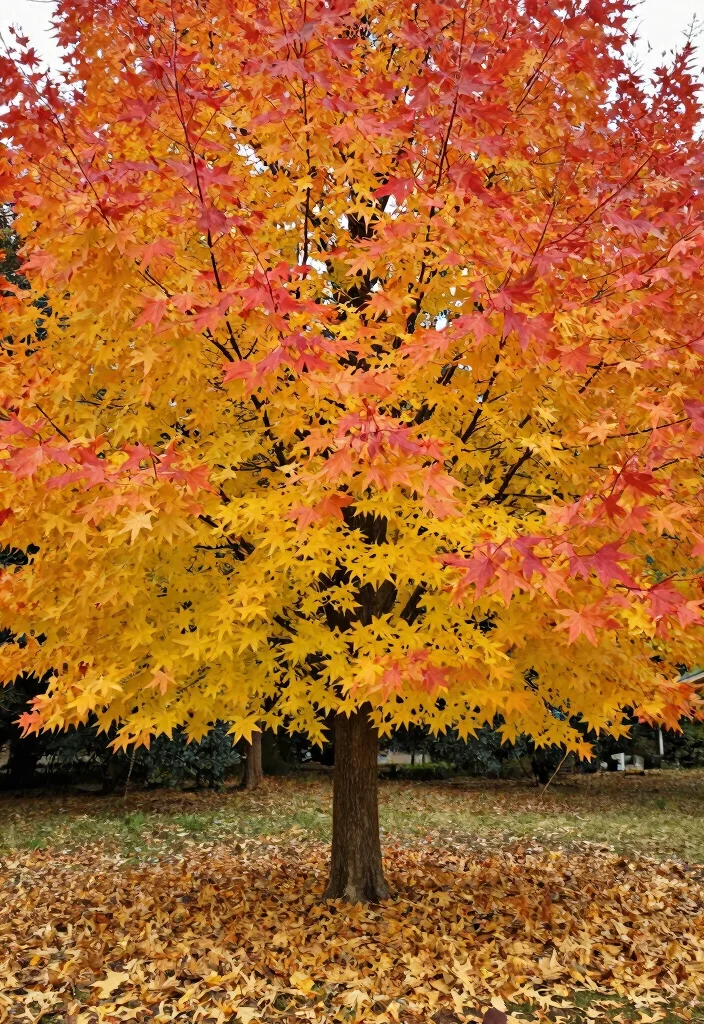
Sweetgum trees offer a unique look with their star-shaped leaves that turn vibrant colors in the fall. Growing up to 60 feet tall, they provide ample shade for larger front yards. The spiky seed balls add an interesting texture, while the dense foliage creates a beautiful canopy.
Keep in mind that while Sweetgum trees may need some clean-up due to their seed balls in fall, the stunning color display is worth it. Combine them with fall-blooming plants for a spectacular seasonal showcase.
Key features of the Sweetgum:
– Brilliant fall colors ranging from yellow to deep red.
– Expansive canopy for excellent shade.
– Attracts wildlife, enhancing garden diversity.
This tree not only adds beauty but also creates a lively habitat for various species.
Sweetgum trees can soar to about 60 feet and shade a front yard in seconds. Their star-shaped leaves turn brilliant fall colors, and spiky seed balls add texture you won’t find elsewhere. Pro tip: plant them where fall cleanup is manageable and pair with fall-bloomers for a seasonal show.

Very fast growing, Hybrid Poplar Trees are great for fast privacy, shade, and landscaping.
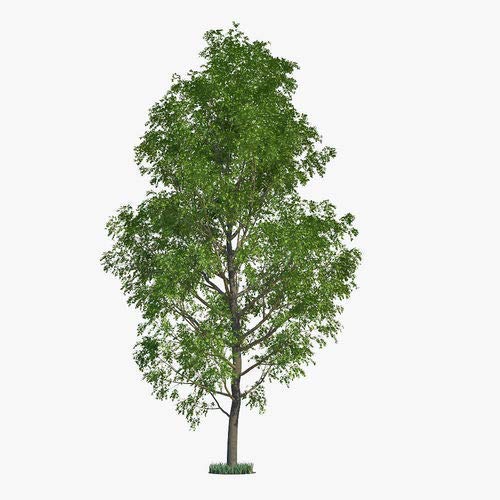
FAST GROWING PRIVACY OR SHADE TREE: Hybrid Poplar Trees are very popular for their fast growing and no seeds or cotton. Very attractive and easy to maintain, change the view very fast
Very fast growing, Hybrid Poplar Trees are great for fast privacy, shade, and landscaping.
6. Norway Maple (Acer platanoides)
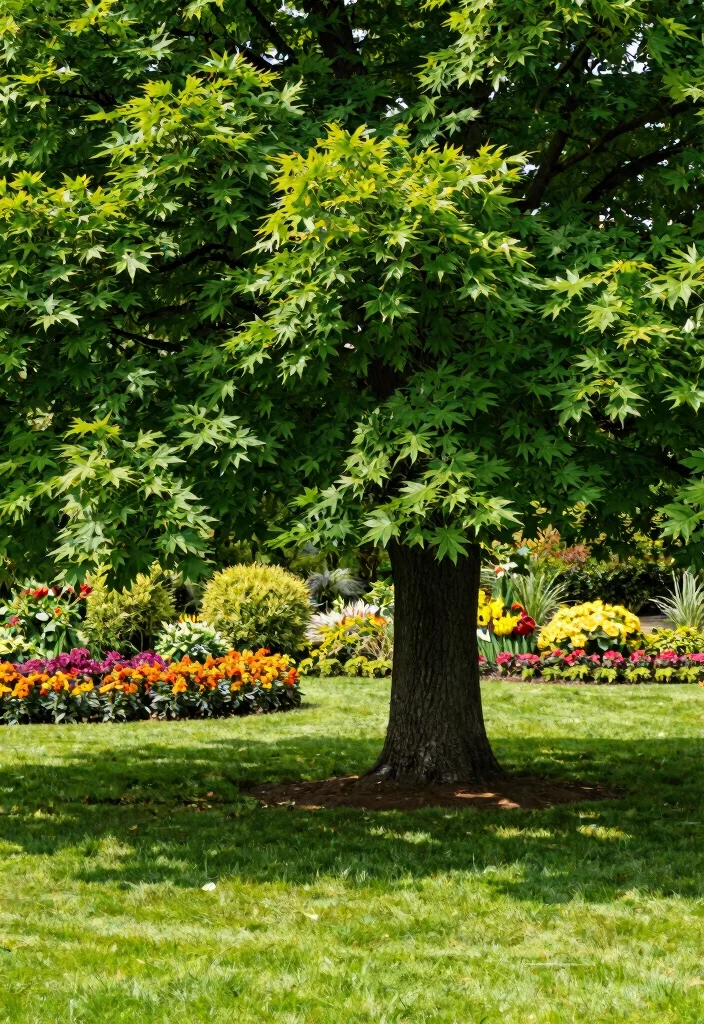
Norway Maples are favored for their impressive growth and adaptability, thriving in urban environments. They can grow 40 to 50 feet tall, providing a dense shade canopy. The broad, green leaves create a lush atmosphere, perfect for yards that lack shade.
When planting, ensure they have enough room to grow fully. Consider adding shade-tolerant perennials or ornamental grasses underneath to enhance the beauty of your yard throughout the changing seasons.
Benefits of the Norway Maple:
– Excellent shade producer for hot days.
– Tolerates various soil types and pollution.
– Stunning yellow foliage in autumn adds charm.
This tree not only provides shade but also enriches your landscape with its vibrant seasonal display.
Fun fact: Norway Maples can reach 40 to 50 feet tall, delivering instant shade for front yard trees. Give them room to spread, then plant shade-tolerant perennials or ornamental grasses beneath for lush, year-round curb appeal.


ULTRA-REALISTIC ARTIFICIAL TOPIARY BALLS - Designed to replicate the natural beauty of real greenery, these artificial topiary balls feature lifelike leaves with rich color variation and texture. The dense foliage creates a full, perfectly rounded shape that elevates any space. Ideal for indoor décor, outdoor planters, front door accents, and landscaping, they deliver a polished, high-end look without the maintenance of live plants.

ULTRA-REALISTIC ARTIFICIAL TOPIARY BALLS - Designed to replicate the natural beauty of real greenery, these artificial topiary balls feature lifelike leaves with rich color variation and texture. The dense foliage creates a full, perfectly rounded shape that elevates any space. Ideal for indoor décor, outdoor planters, front door accents, and landscaping, they deliver a polished, high-end look without the maintenance of live plants.
7. Flowering Dogwood (Cornus florida)
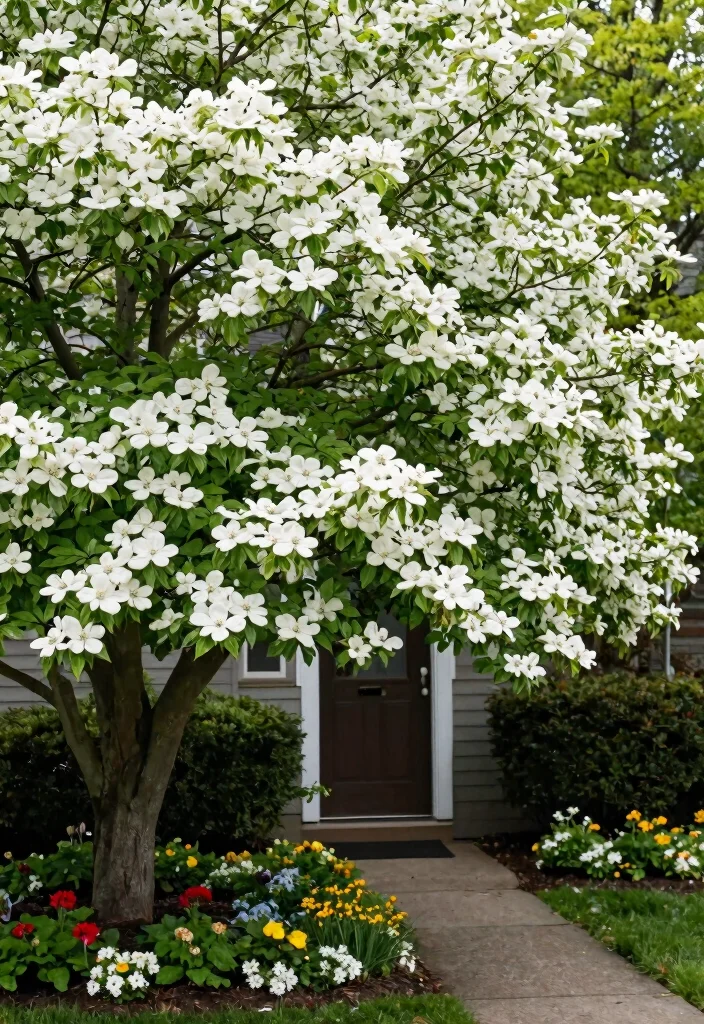
Flowering Dogwoods are cherished for their beautiful spring flowers and elegant branching structure. Reaching heights of 15 to 30 feet, they are ideal for smaller front yards. Their pink or white blooms in early spring create a stunning visual, followed by lush green leaves that turn burgundy in fall.
Consider planting Flowering Dogwoods near walkways or outdoor seating areas to maximize enjoyment of their beauty. They pair well with low-growing shrubs for a captivating visual effect.
Features of the Flowering Dogwood:
– Eye-catching blooms enhance curb appeal.
– Attracts bees and birds, supporting local wildlife.
– Compact size fits well in tight spaces.
This tree adds charm and character, making your front yard a welcoming space.

[Spectacular Fall Color] Produces brilliant red to orange-red foliage in autumn, lasting 2-4 weeks. One of the first trees to color in fall and among the most reliable for consistent seasonal display. A signature tree for autumn landscapes.

Brilliant Fall Color: these heirloom seeds grow into scarlet maple trees to 80 feet with red fall foliage and reddish twigs, a classic shade tree and fall tree for yards and outdoor gardens.

FALL COLORS: Stunning red maple tree known for its brilliant scarlet-red fall foliage that creates a spectacular autumn display in your landscape
8. Japanese Maple (Acer palmatum)
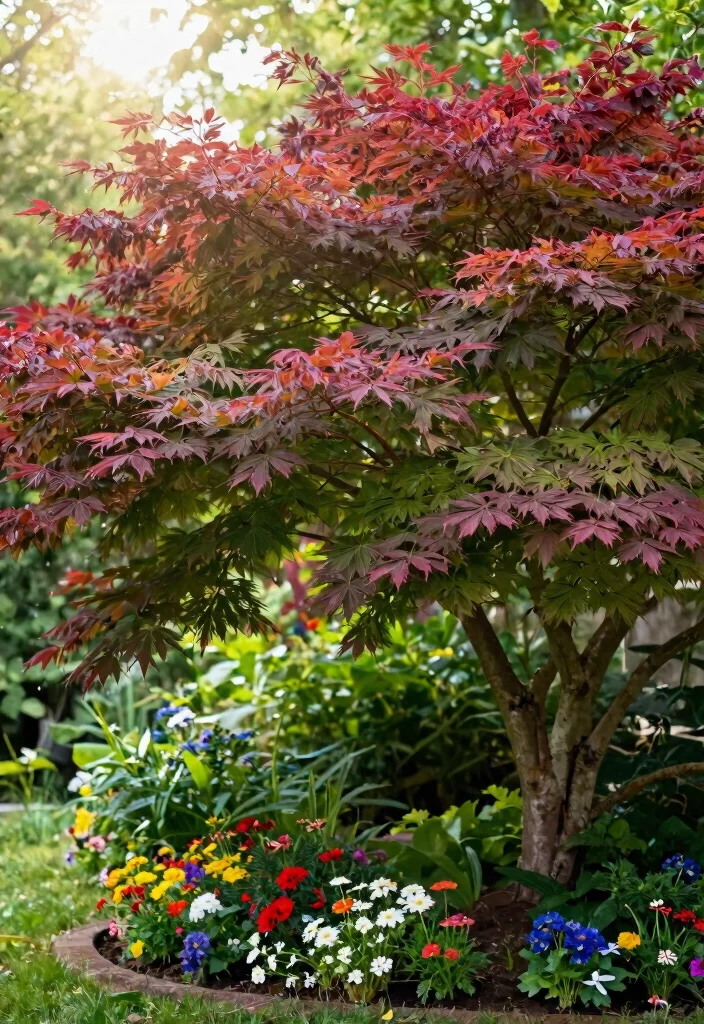
Japanese Maples are admired for their exquisite foliage and graceful form. They typically grow between 15 to 25 feet tall, making them a great choice for smaller gardens. With leaves in various colors, from deep burgundy to bright green, they provide stunning visual interest throughout the year.
Use Japanese Maples as focal points in your garden design. Pair them with ornamental grasses or flowering plants to create a layered and visually appealing landscape.
Advantages of the Japanese Maple:
– Unique leaf shapes that stand out.
– Compact size perfect for small spaces.
– Dappled shade creates a serene atmosphere.
This tree not only beautifies your garden but also creates an enchanting space to relax.
9. Honeylocust (Gleditsia triacanthos)
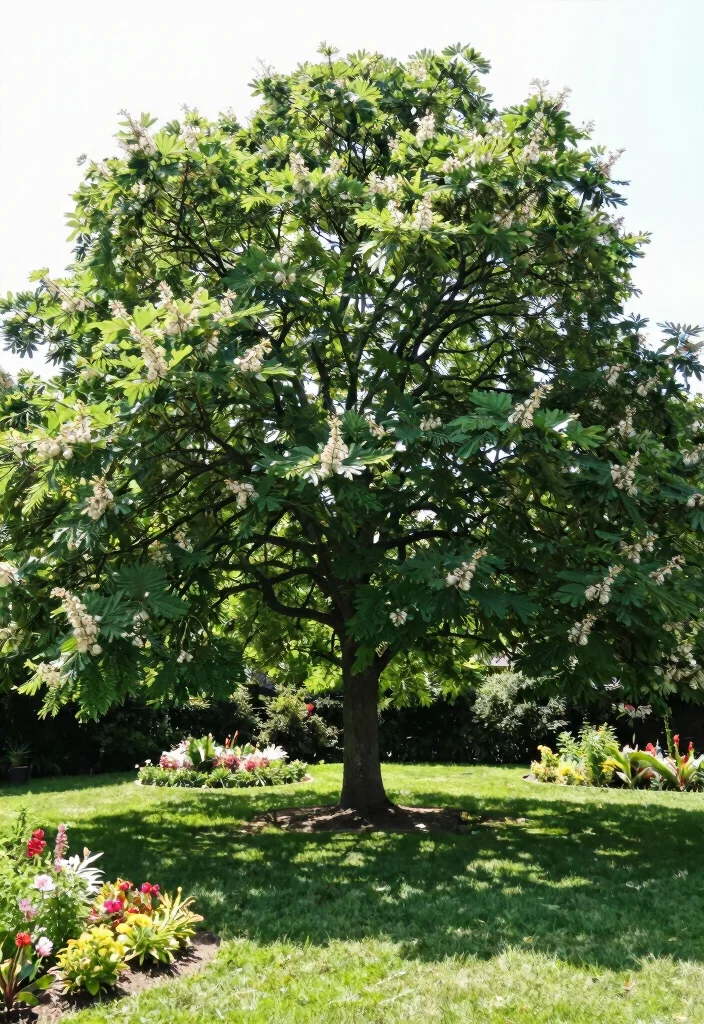
Honeylocust trees are ideal for those seeking rapid growth and light-filtering shade. With heights ranging from 30 to 70 feet, they feature an open canopy that allows sunlight to dance through, making them a perfect choice for yards where you want both shade and light.
When planting a Honeylocust, ensure it’s placed away from structures to accommodate its expansive roots. This tree works beautifully in larger yards, blending functionality with beauty.
Key features of the Honeylocust:
– Fast growth for quick shade coverage.
– Drought-tolerant, making it low-maintenance.
– Vibrant yellow fall color adds seasonal beauty.
This tree enhances your yard’s aesthetic while providing a functional shade solution.
Fun fact: Honeylocust can grow about 2-3 feet per year in good conditions, giving you instant shade in a few seasons. Plant it away from structures to let its generous roots spread; you’ll enjoy light-filtering canopy and easy maintenance.

This plant blooms large, white flowers in spring. These blooms brighten landscapes for several weeks, creating a stunning focal point in gardens, yards, and parks.

High Germination Rate: Enjoy up to 90% success with these dogwood tree seeds, ideal for USDA Zones 5–9. Each pack includes 10 seeds, perfect for any outdoor garden or yard.
10. Leyland Cypress (Cupressocyparis leylandii)
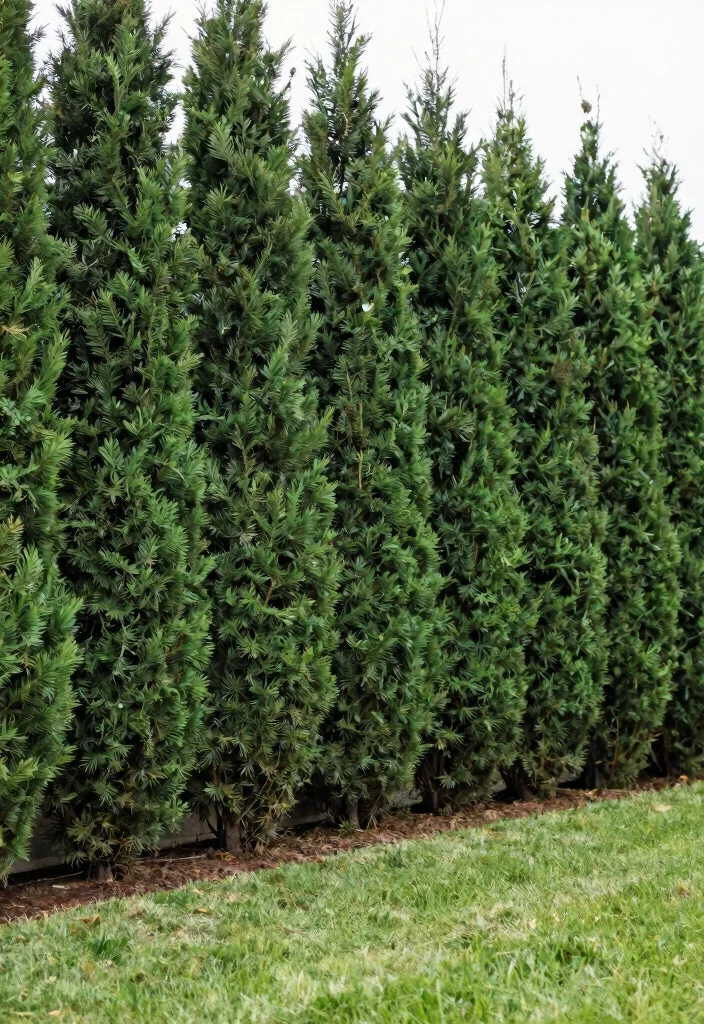
For those seeking privacy and greenery, Leyland Cypress trees are a perfect choice. Growing up to 60 feet tall and featuring dense foliage, they create excellent natural screens for your front yard. Their fast growth and evergreen nature ensure year-round beauty and privacy.
Plant Leyland Cypress trees along property lines or near patios to establish a tranquil environment. Arranging them in a row can create a formal hedge that adds elegance to your landscape.
Advantages of the Leyland Cypress:
– Provides privacy and noise reduction.
– Grows quickly to create a lush green barrier.
– Requires minimal maintenance for easy care.
This tree not only offers privacy but also enhances your yard’s overall appeal.
11. Southern Magnolia (Magnolia grandiflora)
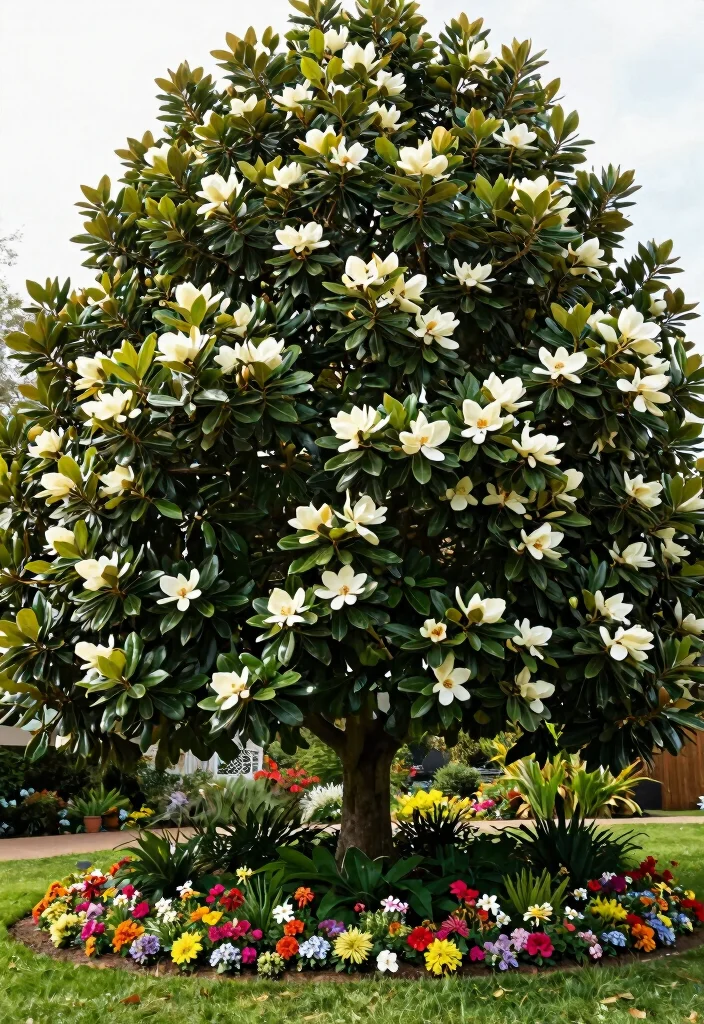
Southern Magnolias are renowned for their large, fragrant flowers and glossy leaves. They can reach heights of up to 80 feet, making them ideal for spacious front yards. The creamy white blooms in late spring provide a striking contrast against the dark green foliage.
When planting a Southern Magnolia, be sure to allow enough space for its expansive growth. Pair it with lower flowering plants for a dramatic effect that showcases its beauty.
Key features of the Southern Magnolia:
– Fragrant blossoms attract pollinators.
– Evergreen leaves maintain year-round interest.
– Tolerates urban conditions, thriving in various soils.
This tree adds elegance and charm, making your landscape truly inviting.
12. Crape Myrtle (Lagerstroemia indica)
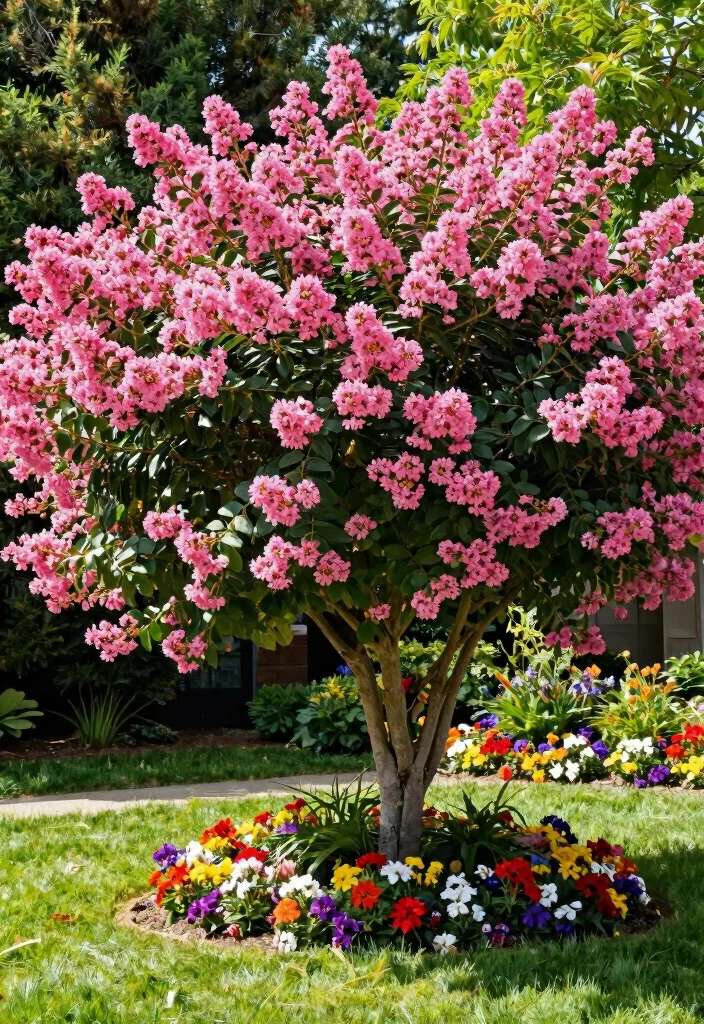
Crape Myrtles are celebrated for their stunning summer blooms and unique bark. These trees typically grow between 15 to 30 feet tall, making them ideal for smaller yards where vibrant colors and textures are desired. With a long blooming season, they provide ongoing visual interest throughout the summer months.
Plant Crape Myrtles in areas where their beauty can be enjoyed up close. They pair wonderfully with other flowering plants to create a captivating garden atmosphere.
Highlights of the Crape Myrtle:
– Spectacular blooms in shades of pink, white, and purple.
– Textured bark adds interest to your landscape.
– Low maintenance and resistant to pests.
This tree not only enhances your yard’s beauty but also creates a warm and inviting garden space.
13. Ginkgo (Ginkgo biloba)
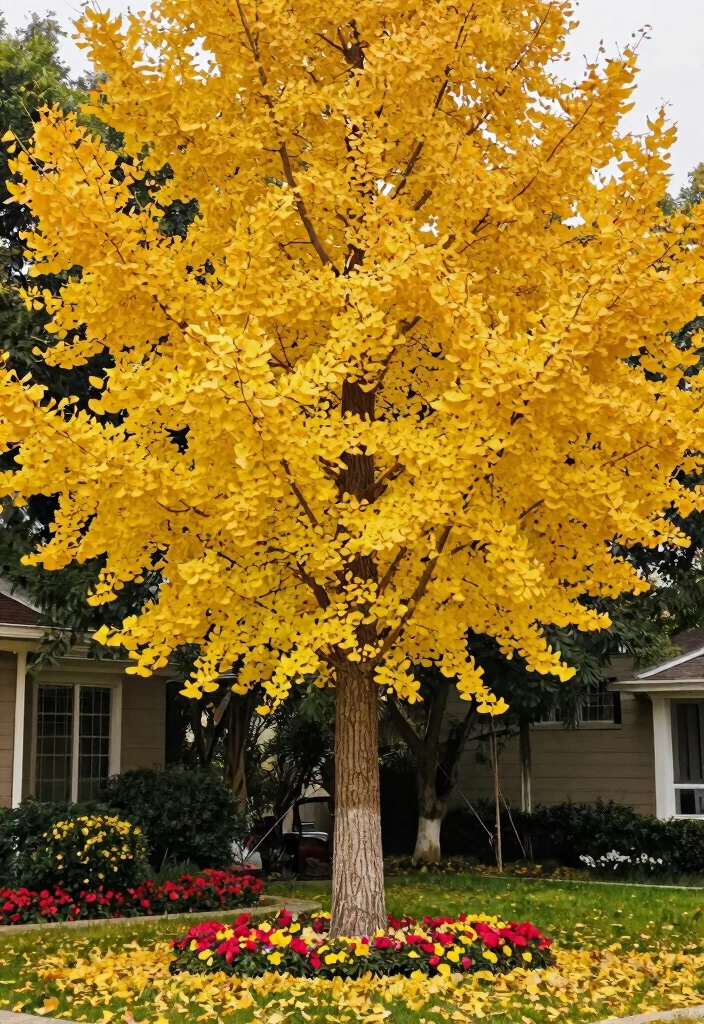
Ginkgo trees are remarkable for their fan-shaped leaves and stunning yellow fall color. Growing up to 50 feet tall, they are known for their resilience and longevity, making them a perfect choice for those who appreciate a tree with history. Ginkgos are one of the oldest living tree species, adding character to your landscape.
Plant Ginkgos where their unique beauty can be appreciated. They complement various landscape styles, from modern to traditional, enhancing the overall design.
Key features of the Ginkgo:
– Unique foliage that adds character to landscapes.
– Tolerates urban pollution and poor soil.
– Golden-yellow leaves in the fall create a stunning display.
This tree not only beautifies your yard but also serves as a living testament to nature’s resilience.
14. Weeping Willow (Salix babylonica)
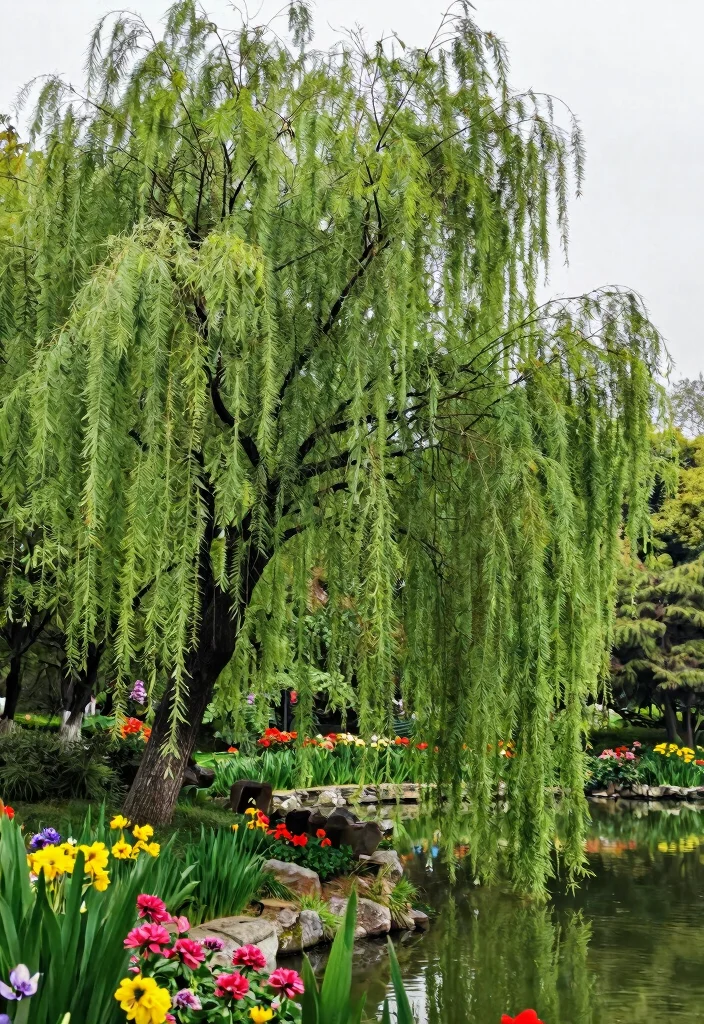
Weeping Willows are cherished for their graceful, drooping branches and tranquil presence. They typically grow between 30 to 50 feet tall, making them an excellent choice for larger front yards. The long, arching branches create a stunning visual, particularly near water features.
To enhance their natural beauty, plant a Weeping Willow near a pond or fountain. Pair it with native plants to create a balanced ecosystem that attracts wildlife and promotes biodiversity.
Benefits of the Weeping Willow:
– Unique aesthetic that promotes tranquility.
– Attracts various wildlife, enhancing garden diversity.
– Thrives in wet soil, perfect for areas with poor drainage.
This tree adds elegance and creates a serene environment, making your outdoor space a peaceful retreat.
Conclusion
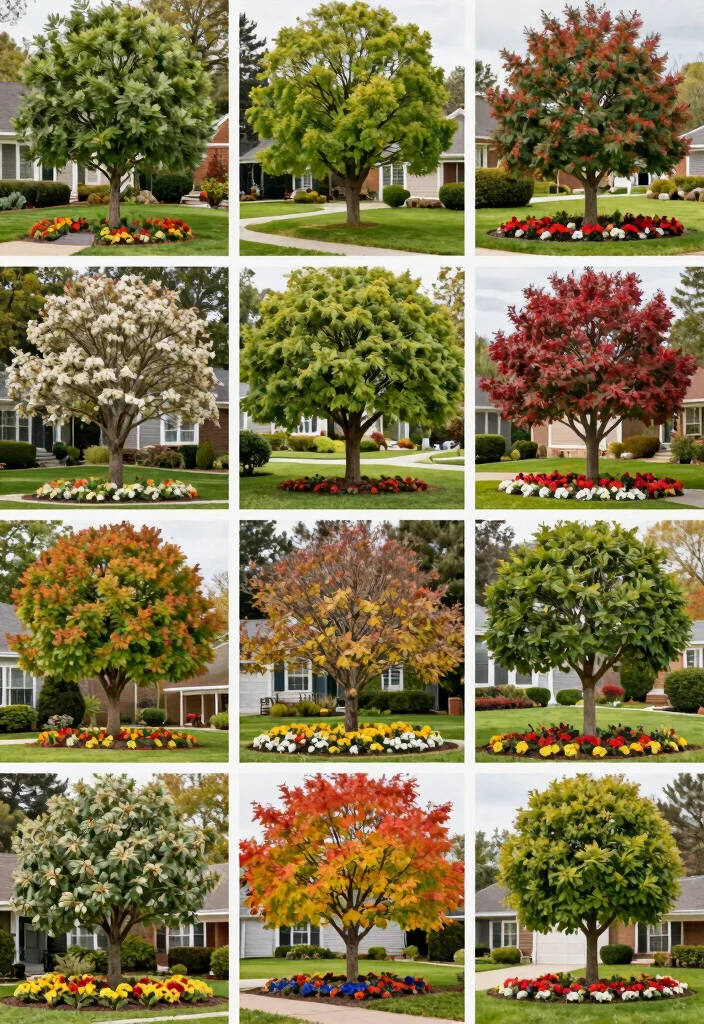
Incorporating fast-growing trees into your front yard not only provides instant shade but also enhances the overall beauty of your landscape. Whether you’re looking for vibrant blooms, unique foliage, or substantial shade, these 14 trees offer a variety of options to suit any space. From the elegant Weeping Willow to the colorful Crape Myrtle, each tree brings its charm to your home. Remember to consider your yard’s size and conditions when selecting the perfect tree to ensure it thrives beautifully. Happy planting!
Frequently Asked Questions
What are the best front yard trees that grow fast and provide instant shade for small spaces?
To get instant shade in a compact front yard, choose trees known for fast growth and broad canopies. Look for deciduous shade trees with compact mature size and non invasive roots. Before planting, check your climate zone, sun exposure, and soil type, and plan spacing so the canopy does not crowd doors or sidewalks. With careful selection, your front yard landscaping ideas can deliver noticeable shade and curb appeal while staying within a small footprint.
Consider starting with options that fit your climate and that you can maintain with minimal effort. This approach helps you maximize shade and create a welcoming entrance using your front yard trees.
How do I pick fast-growing shade trees for a compact front yard?
Begin by measuring the available space and checking the mature width of the tree. Choose a canopy shape that fits your front yard; for tight lots, columnar or oval forms still deliver strong shade. Review root behavior to avoid sidewalk or driveway damage, and match the tree to your soil type and sun exposure. Select reliable cultivars suited to your climate and plan placement so entrances stay accessible and shaded at the right times. This practical approach fits with landscaping with trees and front yard landscaping ideas.
Which trees are low-maintenance yet provide quick shade?
Several low-maintenance options deliver rapid shade in a small front yard. Consider crape myrtle for fast canopy and seasonal color, river birch for quick establishment and graceful form, and columnar maple cultivars for narrow footprints with strong shade. Other good choices include serviceberry or hornbeam for durable shade with smaller root disruption. Always pick varieties suited to your climate, water availability, and soil, and plan regular mulching and light pruning to keep them healthy.
How long does it take for fast-growing front yard trees to provide noticeable shade, and what maintenance is needed during establishment?
Noticeable shade often appears within 5-7 years for many fast-growing options, with a fuller canopy by about 10 years depending on site conditions and care. Establishment maintenance focuses on steady moisture, especially in the first 1-2 years, plus a mulch ring to conserve moisture and light pruning to encourage balanced growth. Avoid heavy pruning early on and keep an eye on pests or diseases. After establishment, maintenance becomes lighter but periodic checks and pruning help sustain the best shade and curb appeal for your front yard.
Any quick landscaping ideas to maximize shade and curb appeal with front yard trees?
Yes. Plan with layers: tall canopy trees toward the back, mid-height shrubs, and groundcovers that tolerate shade. Use the shade to frame the entry and create inviting spaces like a seating area or a shaded path under the canopy. Pair trees with evergreen accents for winter structure and seasonal color for ongoing interest, all while keeping your front yard landscaping ideas fresh. Finish with mulch, clean edging, and tasteful lighting to highlight the trees and boost curb appeal.
Related Topics
front yard trees
fast-growing trees
shade trees
landscaping tips
small space gardening
easy care trees
instant shade
front yard landscaping
low-maintenance trees
tree selection
beginner gardening
outdoor aesthetics
