
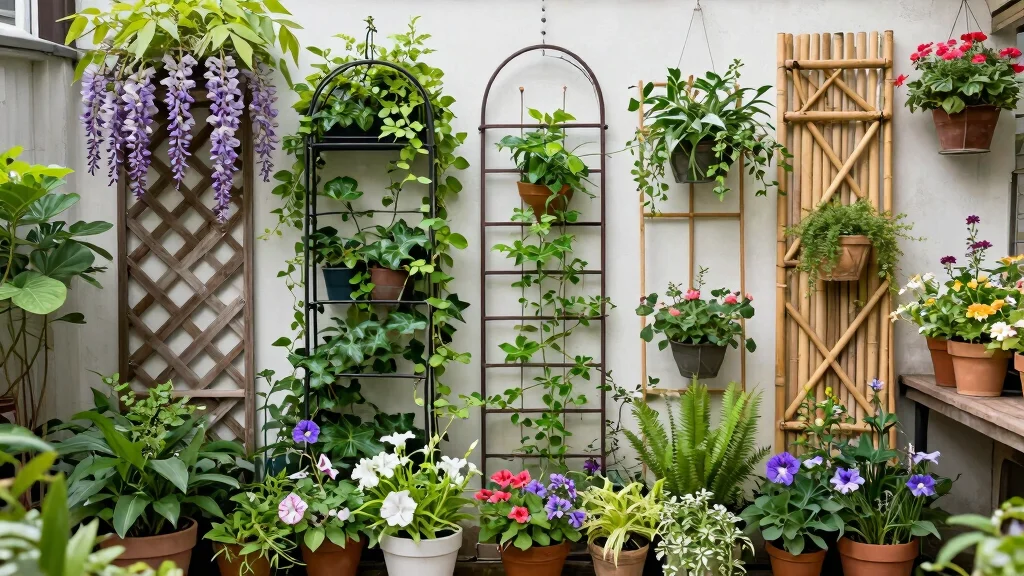
Gardening enthusiasts know that vertical gardening can transform even the smallest spaces into lush retreats. If you’ve been dreaming of creating a vibrant garden filled with heavy vines but worry about support and stability, then you’re in the right place. I created this post to give you practical solutions and creative plant trellis ideas that not only look great but also provide the necessary support for your climbing plants, ensuring they thrive without tipping over.
Whether you’re a seasoned gardener or just starting out, these trellis ideas cater to anyone wanting to enhance their vertical gardening game. If you’re passionate about growing heavy vines like wisteria, clematis, or even heavy-fruited plants, this guide is designed for you. You’ll discover various trellis designs that fit your unique style, budget, and garden space, all while considering the specific needs of heavy vine support.
Get ready to dive into 14 inspiring plant trellis ideas that are sturdy, beautiful, and perfect for supporting your climbing plant solutions. From rustic wooden options to elegant metal arches, you’ll find something that resonates with your gardening aesthetic. Each concept aims to make your gardening experience not only fruitful but also visually appealing, adding charm to your outdoor space.
Key Takeaways
– Discover innovative plant trellis ideas that offer strong support for heavy vines, ensuring they grow without tipping.
– Explore various garden trellis designs that cater to different aesthetics, from rustic wooden lattice to minimalist metal grids.
– Learn about DIY trellis projects that allow you to customize your support structures to fit your unique space and style.
– Understand the importance of selecting the right materials for heavy vine support, which will enhance durability and functionality.
– Find practical tips on integrating trellis systems into your garden layout, maximizing your vertical gardening potential in small spaces.
1. Rustic Wooden Lattice Trellis
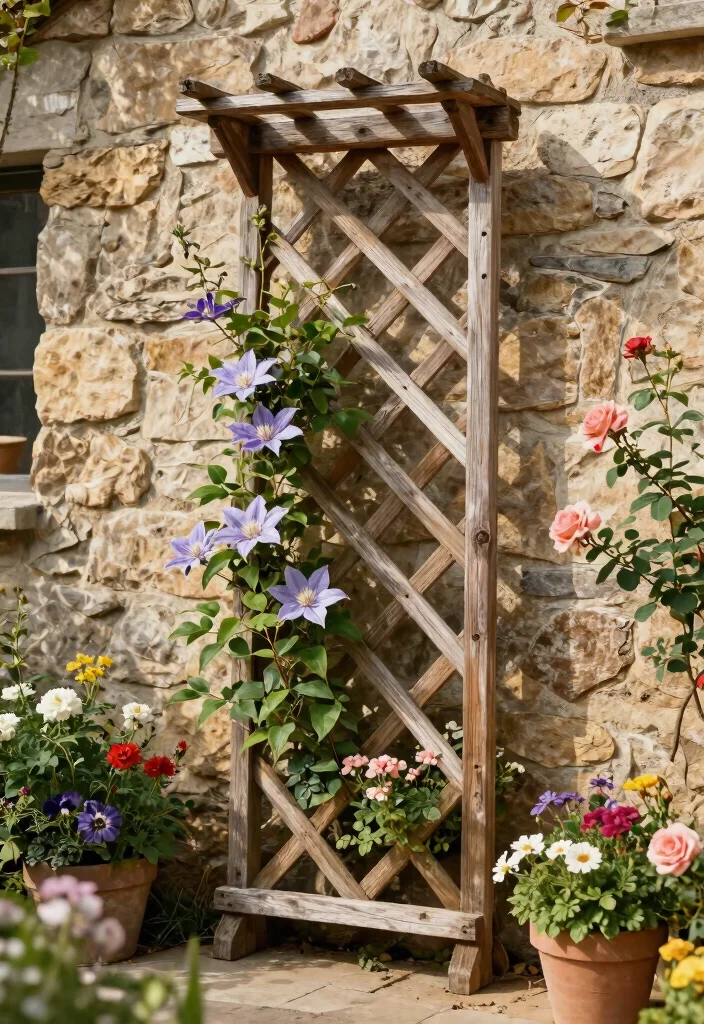
If you’re looking for a charming way to support your climbing plants, a rustic wooden lattice trellis is the perfect solution. Crafted from treated wood, this classic design is not only sturdy but also adds a natural touch to your garden. The crisscross pattern allows vines like clematis and climbing roses to latch on easily, ensuring they thrive beautifully.
To get the most out of your trellis, consider using reclaimed wood to create a unique, eco-friendly piece. Secure it firmly to a wall or post for added stability, especially in windy conditions. A coat of paint or stain can further enhance its beauty, enabling it to blend seamlessly with your outdoor decor.
Key features to consider:
– Ensure the lattice is at least 6 feet tall for optimal growth.
– Apply a natural wood stain to protect against decay while preserving its rustic look.
– Add hooks or climbing aids to support your vines.
– Wrap the trellis with fairy lights for a magical evening ambiance.
This lovely trellis not only supports your plants but also serves as a stunning backdrop for your outdoor gatherings.
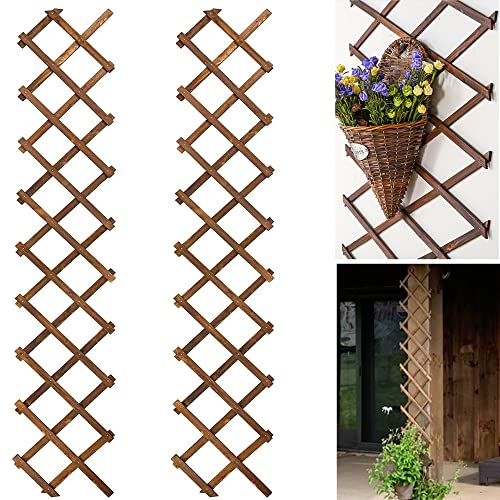
🌲【Natural Wooden Fence】 :Wooden lattice wall planter are perfect for climbing plant and provide them enough places to stretch branches. Besides, they can be used as...
2. Elegant Metal Arch Trellis
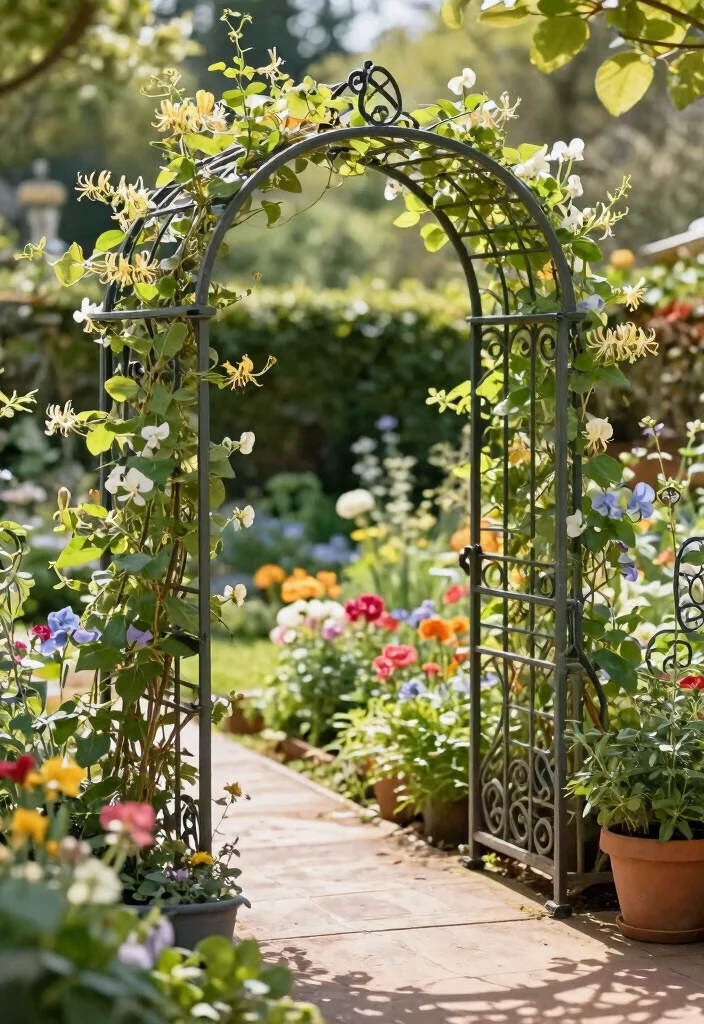
Bring elegance to your garden with a metal arch trellis that offers robust support for your climbing vines. This stunning design works beautifully for plants like honeysuckle and sweet peas, creating a breathtaking floral display that captivates everyone who passes by.
The arch shape provides an enchanting entryway while maximizing vertical space. With a variety of styles available, from ornate to minimalist, you can find the perfect match for your garden’s aesthetic. Look for options that are easy to move or adjust, allowing for flexibility in your garden layout.
Here are some tips to enhance your metal arch trellis:
– Securely embed the base into the ground for stability.
– Wrap the arch with twinkling lights for a charming evening glow.
– Paint the metal in colors that harmonize with your garden.
– Pair it with colorful pots at the base for a vibrant look.
This graceful trellis not only supports your plants but also becomes a stunning focal point in your landscape.
Elegant metal arch trellises turn any entry into a blooming doorway. With sturdy support for heavy vines like honeysuckle, they’re a true win for your plant trellis ideas—function and beauty in one affordable, easy-to-maintain package.

ELEGANT GARDEN ARCH TRELLIS – Transform your backyard into a beautiful garden retreat with this classic black metal garden arch. Create an inviting entrance along pathways, over garden beds, or among your favorite flowers and climbing plants.

Versatile garden arch, perfect for event, wedding, and garden decoration. A must-have for your special occasions

Versatile garden arch, perfect for event, wedding, and garden decoration. A must-have for your special occasions.
3. DIY Bamboo Trellis
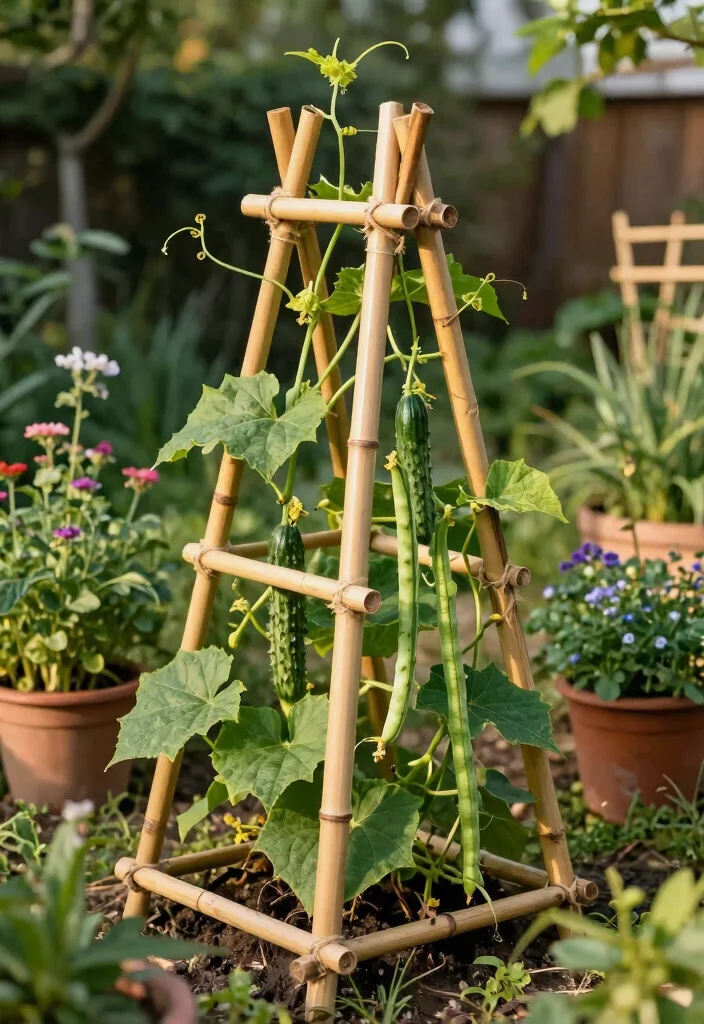
If you enjoy hands-on projects, creating a DIY bamboo trellis can be a rewarding experience. Bamboo is lightweight yet incredibly strong, making it ideal for supporting heavy vines like cucumbers and pole beans. Plus, its natural look blends beautifully with any garden setting.
To build your own trellis, gather bamboo poles and cut them to your desired height. You can arrange them in a teepee or grid pattern based on your style preference. Securely tie the poles together with twine or rope, anchoring them firmly in the ground for stability. This eco-friendly option not only supports your plants but adds a stylish element to your garden.
Consider these tips for your bamboo trellis:
– Use natural twine for a rustic aesthetic; avoid plastic ties.
– Apply a weather-resistant finish to prolong the bamboo’s life.
– Experiment with different shapes to suit various plants.
– Add horizontal supports for extra stability.
A DIY bamboo trellis is not only functional but also adds a charming touch to your outdoor space.

100% Metal Garden Trellis: Our tower obelisk garden trellis is made of 13mm Extra thick rust-proof metal tube with exquisite Black finish,more sturdy and durable,not easy to crack. 6.6FT tall obelisk trellis support frame and four ground stakes at the base for secure fixation.Round Trellis provide excellent support for your plants and vines to climb.

HEAVY-DUTY 2MM THICKENED STEEL Engineered with 2mm thickened steel tubes that are 50 percent stronger than standard 1.2mm models. This robust metal trellis provides reliable vertical gardening support for heavy vines, blackberries, and raspberries while resisting bending or snapping under pressure

2 PACK 47" X 15.7" METAL TRELLIS: Each garden trellis stands 47 inches tall to give climbing plants generous vertical room to grow. Fits garden beds, raised beds, large pots, and patio corners.
4. Vertical Pallet Garden Trellis
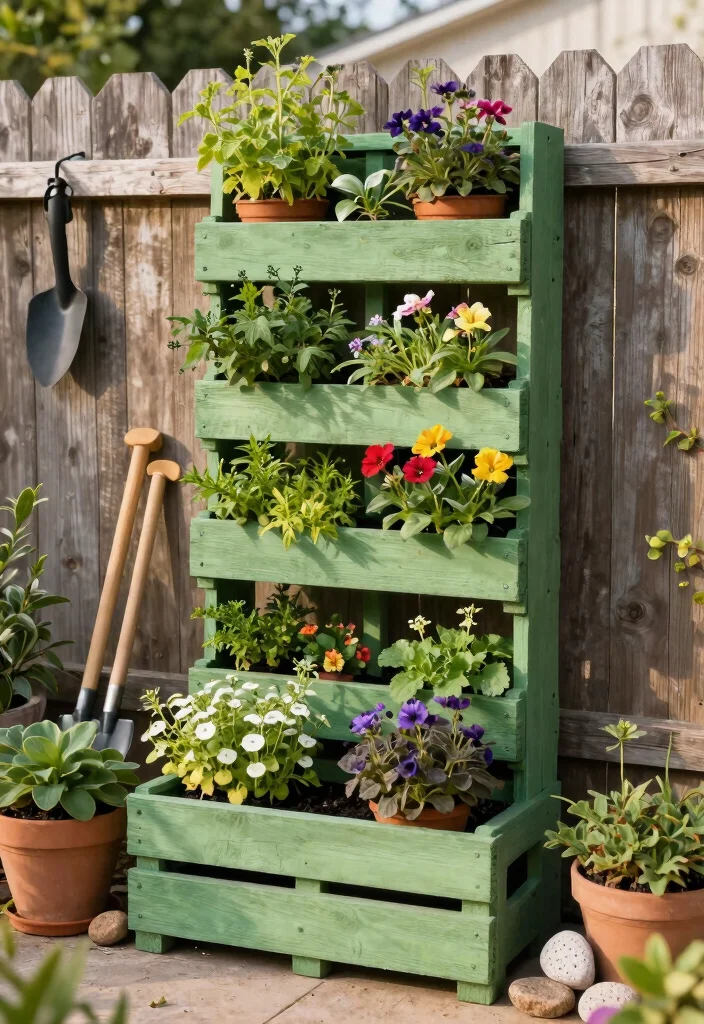
Transform an old wooden pallet into a creative vertical garden trellis for your climbing plants. This innovative approach not only repurposes materials but also provides a solid support system for heavy vines. It’s an excellent choice for gardeners looking to maximize their space.
Simply stand the pallet upright against a wall or fence and fill the openings with soil and plants. This design works beautifully in small spaces, allowing you to grow a mix of climbing plants, from fragrant herbs to colorful flowers. For a pop of color, you can paint the pallet or leave it in its natural state for a rustic charm.
Key steps to create your vertical pallet trellis:
– Ensure the pallet is treated to withstand outdoor elements.
– Install a drip tray at the base to catch excess water.
– Add hooks or wires for additional plant support.
– Integrate companion plants for a lush look.
This vertical trellis not only showcases your plants beautifully but also optimizes your garden space.

Garden Trellis for Climbing Indoor and Outdoor: This 3-pack stackable trellis set provides flexible support for climbing plants in pots. Perfect for both indoor and outdoor use, it helps vine plants grow vertically, turning them into beautiful home decorations while saving space.

【Premium Material】: Garden trellis features galvanized steel pipes coated with PE material, offering protection against corrosion and adverse weather, while also preventing plants from high-temperature burns

🌑【Plant Support】Our bamboo lattice frame provides strong support for upward growth of plants. With a ladder-like structure, it is stable and sturdy, assisting plants in climbing upward.
5. Arched Garden Trellis
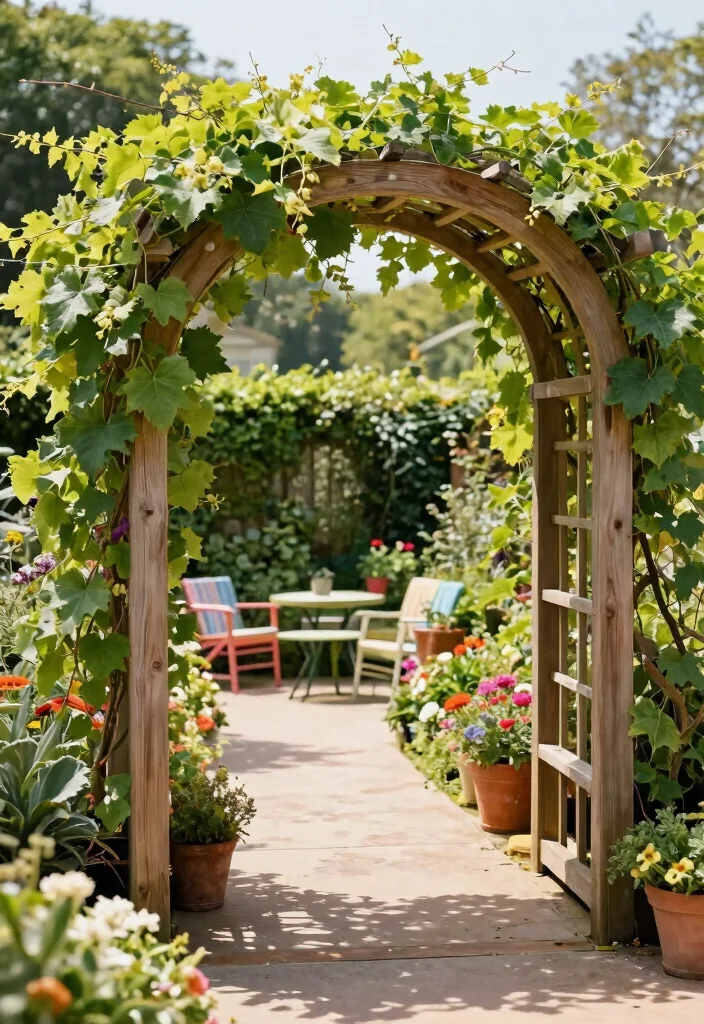
An arched garden trellis serves as a stunning focal point while providing essential support for your climbing plants. This design is particularly effective for heavy vines like grapevines and kiwi, creating a lush, inviting atmosphere in your garden.
The graceful arch not only supports your plants but also adds visual interest to your landscape. Choose between a simple wooden arch or a more intricate metal design to fit your garden’s character. The height and form allow your plants to cascade beautifully, enhancing your outdoor space.
Consider these tips when setting up your arched trellis:
– Select an arc height that complements your other garden features.
– Secure the trellis deep in the ground to prevent tipping.
– Use soft ties to guide the vines as they grow.
– Plant aromatic flowers at the base for an added sensory experience.
This arched trellis elevates the aesthetics of your garden while providing reliable support for your climbing plants.

Complete Installation Kit: This set features 4 stackable 16" Moss poles reaching 48" height,16ft jute rope and 6.6ft velcro tape. With easy instructions, gently secure stems to help guide plant climber upward growth

Modern Black Wall Trellis Look: The wire trellis kit includes: one 65 ft, 1/8" black PVC-coated galvanized steel cable, 12 black cross head hubs (for 1/8" cable), 1 Drill Bit (for Concrete Walls), 1 Drill Bit (for Wood Studs), 1 Drill Adapter, 1 Allen Key, 12 Plastic Expansion Anchors, 1 Bundle of Plant Ties, 2 Spanner. This all-black system delivers a clean, low-profile plant display that blends naturally into fences, walls, and gardens for a sleek, modern look

WHAT'S IN THE BOX (30 SETS, CUTTER+HUBS+CABLE): 30 cylindrical standoffs, wire cutter, and 150 ft of 1/8" wire rope; 30 anchors, 30 screws, 120 end caps, plant ties, drill bit, screwdriver, hex key, wrench, instructions
6. Minimalist Metal Grid Trellis
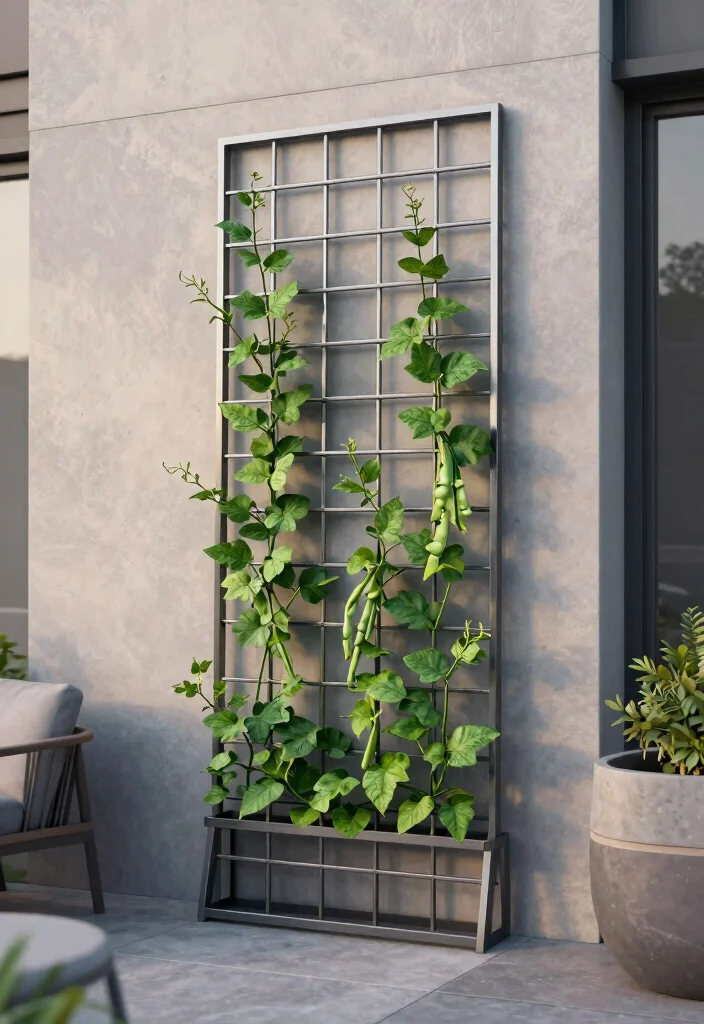
For a modern touch, a minimalist metal grid trellis offers a sleek and practical option for your vertical garden. This design provides a sturdy framework for heavy vines while remaining visually unobtrusive, allowing your plants to shine.
The grid pattern promotes easy climbing for plants such as peas and beans, while the open design ensures adequate air circulation and sunlight. Metal grids are simple to assemble and install, making them perfect for DIY enthusiasts who appreciate contemporary aesthetics.
Key considerations for your metal grid trellis:
– Opt for a powder-coated finish for durability and rust resistance.
– Use stainless steel screws for secure attachment.
– Position the grid where it receives enough sunlight.
– Add vertical planters beside the grid for an integrated gardening solution.
This minimalist trellis not only enhances the elegance of your garden but also provides robust support for your climbing plants.

✅【0.35'' Thickness】 We've reinforced our garden lattice, increasing thickness by 30% to 0.35'' (0.9cm). A sturdier fence that withstands warping, cracking, and weathering, ensuring long-lasting beauty with less maintenance.
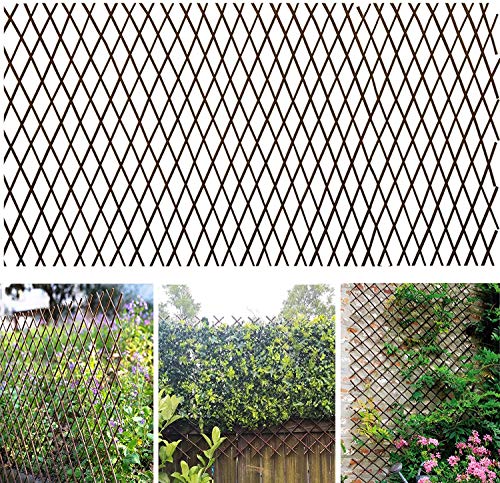
Willow Garden Trellis:This vine trellis are made of 100% real willow,willow sticks is are about 1/4” to 3/8” thick

🌲【Natural Wooden Fence】 :Wooden lattice wall planter are perfect for climbing plant and provide them enough places to stretch branches. Besides, they can be used as wall-mounted flower pots shelf, garden fences, and home decorations that can hang family photos or string lights.
Key Trade-offs & Our Top Pick
Rustic Wooden Lattice Trellis
– Pros:
– Creates a charming, natural look that blends well with gardens.
– Provides ample support for various heavy vines.
– Easy to customize with paint or stains to match your garden aesthetic.
– Cons:
– Can be prone to rot if not treated properly.
– Requires regular maintenance to keep it looking good.
– May not be very durable under extreme weather conditions.
– Best for: Gardeners looking for an aesthetic and rustic appeal, especially in traditional or cottage-style gardens.
Elegant Metal Arch Trellis
– Pros:
– Sturdy and can support even the heaviest climbing plants.
– Adds a touch of elegance with its sleek design.
– Often rust-resistant, ensuring longer lifespan with minimal upkeep.
– Cons:
– Can be more expensive than wooden options.
– Heavy and may require professional installation.
– Limited design styles compared to wood.
– Best for: Those who want a stylish centerpiece in their garden that can withstand harsh conditions.
DIY Bamboo Trellis
– Pros:
– Inexpensive and easy to assemble with readily available materials.
– Lightweight, making it easy to move around.
– Eco-friendly option that can fit into any garden style.
– Cons:
– May not support very heavy vines without additional bracing.
– Can degrade quickly if not treated properly.
– Requires some craftsmanship skills for best results.
– Best for: Gardeners on a budget or those who enjoy DIY projects and want to personalize their trellis.
Vertical Pallet Garden Trellis
– Pros:
– Reuses old pallets, making it an environmentally friendly choice.
– Versatile design allows for planting herbs or flowers alongside climbers.
– Offers a unique look to your garden space.
– Cons:
– Pallets can be difficult to find and may require significant cleaning.
– Not designed for heavy-duty support without modifications.
– Can splinter, posing a hazard if not properly sanded.
– Best for: Eco-conscious gardeners who want a creative, cost-effective solution for small spaces.
Expert Recommendation:
Best Overall: Elegant Metal Arch Trellis
This trellis stands out as the top choice for most gardeners. Its durability and elegant design make it a versatile addition to various garden styles. While it may come with a higher price tag, the long-term value and minimal maintenance required make it worth the investment. You’ll find it capable of supporting even the heaviest vines while enhancing your garden’s aesthetic appeal.
Why We Picked This:
The Elegant Metal Arch Trellis is ideal for those looking for both functionality and style. However, if your budget is tight, options like the Rustic Wooden Lattice or DIY Bamboo Trellis may suit you better. Each option has its unique strengths and weaknesses, so consider your specific needs, garden style, and maintenance preferences when choosing the right trellis for you.

【Sturdy Metal Construction】: Trellis for climbing plants outdoor is crafted from premium steel with a rust-proof coating, maintaining structural integrity through all weather conditions and seasons while protecting your plants and ensuring lasting durability. Even when draped with heavy Halloween cobwebs, hanging ghosts, and glowing pumpkin lanterns, it holds strong through windy October nights.
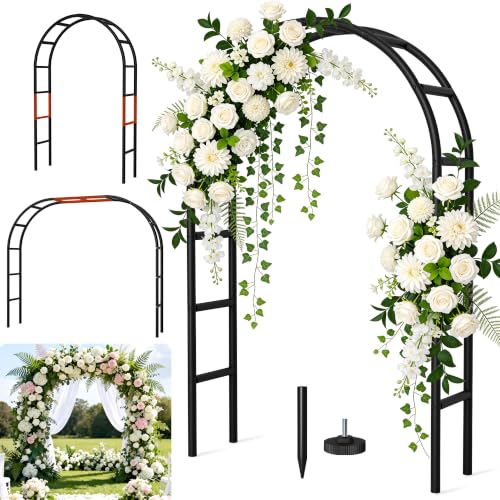
Built to Last & Great Value: Our garden arch is constructed from heavy-duty, rust-resistant carbon steel with 0.6mm walls and a wider 16mm diameter, making it about twice as heavy as most for superior bend resistance, and stability. The coating is electrostatically applied and heat-cured, creating a solid shield that locks out moisture and air to prevent rust and corrosion for years. You get both ground stakes for secure outdoor use and bases for stable indoor use on any flat surface

[HEAVY-DUTY 16MM STEEL CONSTRUCTION]: Stronger for demanding garden use with upgraded 16mm steel tubes and 0.5mm thick tube walls. The reinforced metal frame provides greater strength and stability than lightweight garden arches.
7. Decorative Wire Trellis
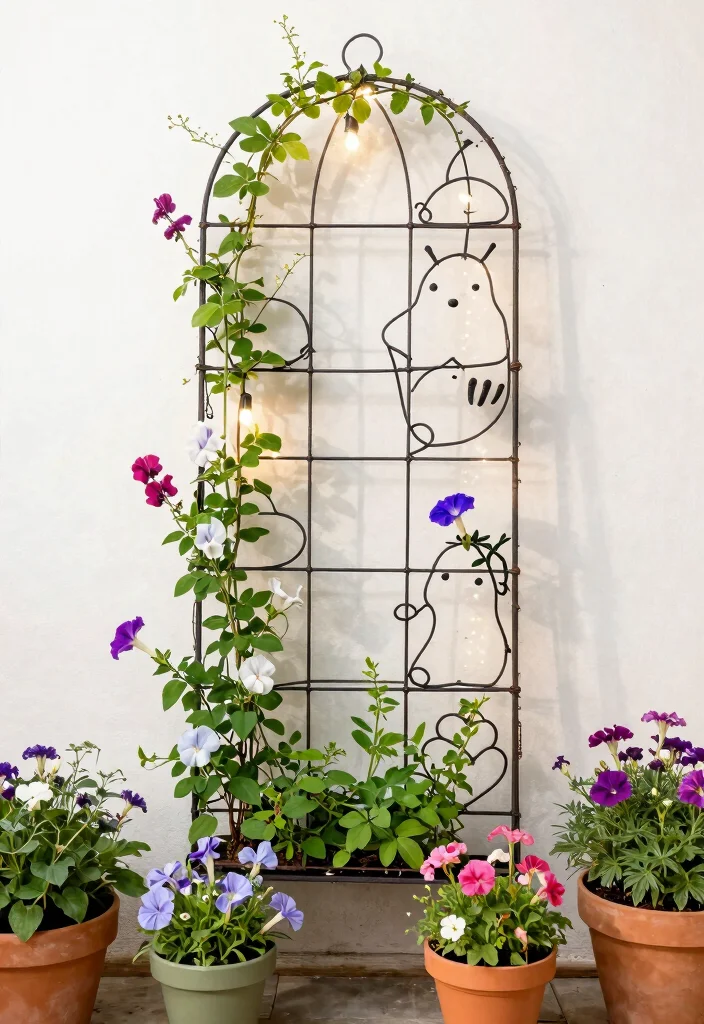
If you’re seeking something whimsical, a decorative wire trellis adds a playful element to your climbing plants. Perfect for lighter vines like sweet peas and morning glories, this creative option enhances your garden’s charm.
Wire trellises come in various shapes, from spirals to geometric designs, allowing you to express your personal style. They can easily be fixed into pots or placed against walls, providing versatility in your planting arrangements. Their lightweight nature makes them easy to move as needed.
Here are some tips for your decorative wire trellis:
– Ensure the wire is sturdy enough to support your plants.
– Choose a design that complements your garden’s theme.
– Intertwine decorative lights for a cozy evening feel.
– Pair with colorful pots for a vibrant display.
This decorative wire trellis offers a fun way to support your climbing plants while adding a unique touch to your garden.

Ideal Garden Trellis:Height 6.3 feet(75.6 inches), perfect size to work as plant trellis.The vertical tomato tower obelisk gives flowering vines,vegetables and other planters a sturdy support to climb.Adds dramatic height to your garden with vertical trellising.

All-Metal Superiority for Heavy-Duty Gardening:This garden obelisk trellis is engineered with solid iron construction, setting a new standard for outdoor plant support. Unlike common plastic-coated metal trellises that rust when coating peels, our pure iron tubing with screw-locked metal joints creates an unshakable foundation. Perfect as a heavyweight tomato trellis or durable grape trellis, it handles vigorous climbers like beans and clematis with absolute reliability.

Adjustable Height & Versatile Design – This 6ft tall obelisk trellis features 4 adjustable rings to support plants at every growth stage. Perfect for roses, clematis, jasmine, tomatoes, cucumbers, and other climbing plants in pots, raised beds, or garden grounds.
8. Stone Wall Support Trellis
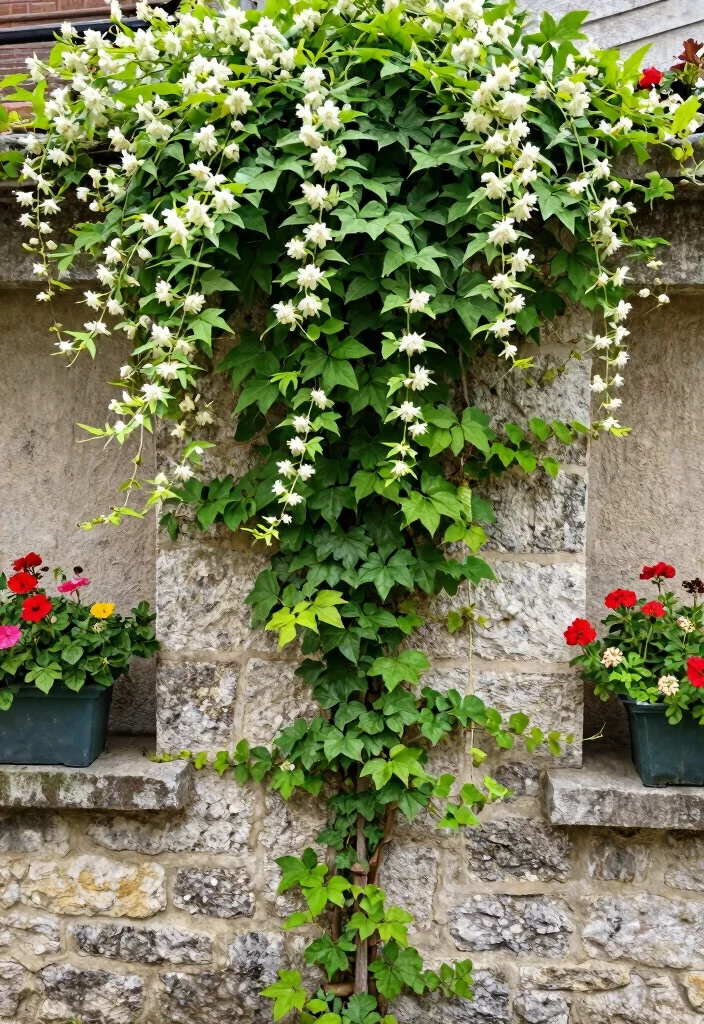
Utilizing a stone wall as a trellis support is both practical and aesthetically pleasing. This natural option is perfect for heavy climbers like jasmine and ivy, which thrive against sturdy surfaces while enhancing your garden’s rustic charm.
Encouraging plants to grow against stone creates a lush vertical garden that benefits from the wall’s thermal mass, offering warmth and support. The combination of stone and climbing plants creates a beautiful contrast, making your garden more visually appealing.
Here are some tips for using a stone wall as a trellis:
– Use strong hooks or wire to secure plants onto the wall.
– Select plants that naturally adhere to stone for better growth.
– Add shelves or ledges for displaying pots or providing extra support.
– Consider integrating drip irrigation for consistent moisture levels.
This method beautifully merges nature with structure, providing ample support for your climbing plants.

Package Contents - 20pcs crosshead hubs(for 5/64'' or 2mm cable), 5/64" x 98.43ft wire rope, 20 plastic expansion anchors, 20pcs washers, 80 PVC end caps, a small bundle of plant ties, 1 masonry drill bit, 1 Allen key, 1 all-purpose spanner, 1 instruction manual, trellis system calculator included. We offer a lifetime after-sales guarantee

4pack Fiberglass Material Raspberry Cross Stake System with Adjustable Cross-bars, Height Adjustable

【Versatile Support】This honeycomb plant trellis indoor is perfect for a variety of climbing plants, including vines, flowers, and vegetables. Its versatile design allows garden trellis to be used both indoors and outdoors, providing essential support for your plants to grow
9. Classic Pergola Trellis
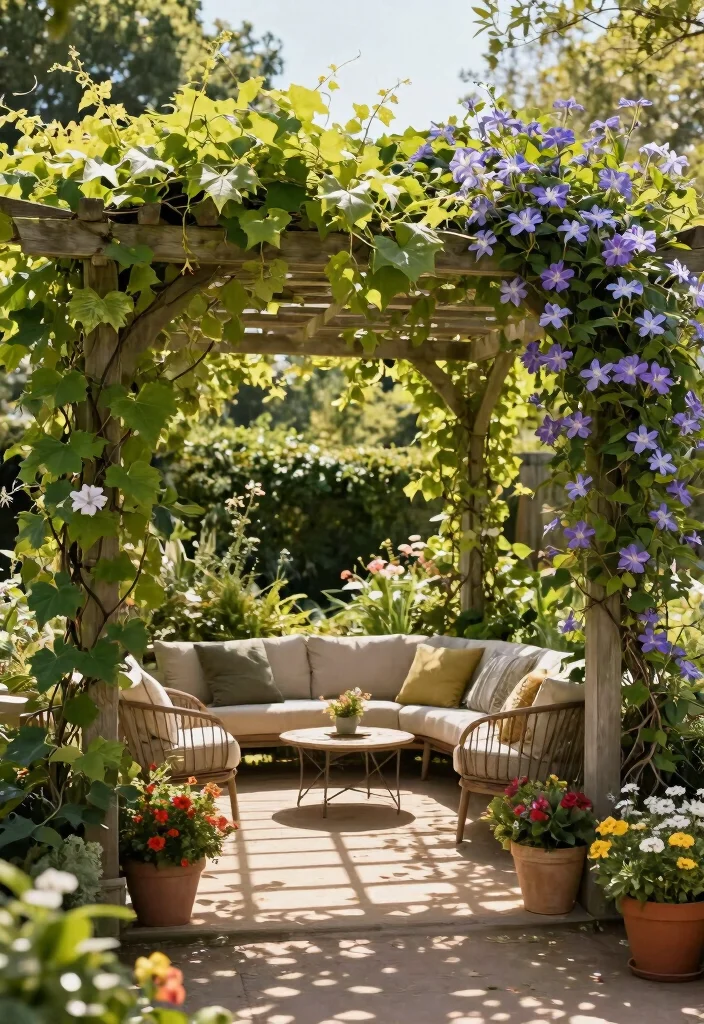
A classic pergola trellis not only supports climbing plants but also creates a lovely shaded area in your garden. Perfect for heavy vines like grapevines and clematis, a pergola can transform your outdoor area into a cozy living space.
By choosing a pergola design that complements your garden style, you create a focal point that enhances your property’s appeal. With the right plants, your pergola can become a vibrant green retreat, inviting you to relax and enjoy your outdoor oasis.
Key tips for your pergola trellis:
– Secure the pergola firmly to the ground to withstand wind.
– Train plants to grow along the beams for optimal coverage.
– Add outdoor furniture beneath the pergola for a delightful seating area.
– Use vines with seasonal blooms for year-round visual interest.
This pergola trellis beautifully combines aesthetics with functionality, creating a dream space in your garden.
A pergola isn’t just timber and vines—it’s a shady outdoor room you can actually lean into. With the right plant trellis ideas, heavy vines like grapes or clematis transform a corner into a cozy retreat.
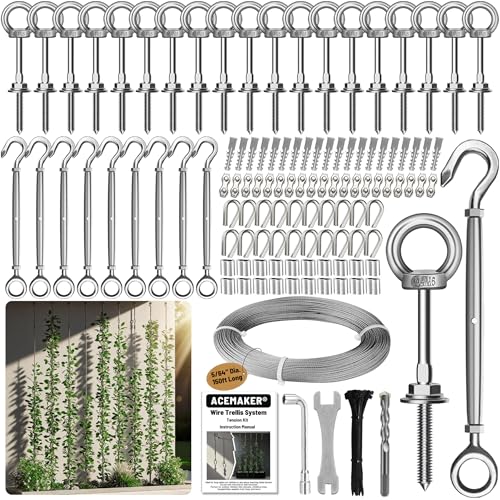
Package Contents - 20 Eye Bolt, 10 turnbuckle, 150ft x 5/64" wire rope, 20pcs washers, 20 plastic expansion anchors, 20 duplex wire rope clips, 20 Aluminum Wire Rope Sleeves, 20 wire rope thimbles, a small bundle of plant ties, 1 masonry drill bit, 1 all-purpose spanner, 1pcs L shaped angled hex socket wrench, 1 instruction manual, trellis system calculator included. We offer a lifetime after-sales guarantee
10. Hanging Trellis Systems
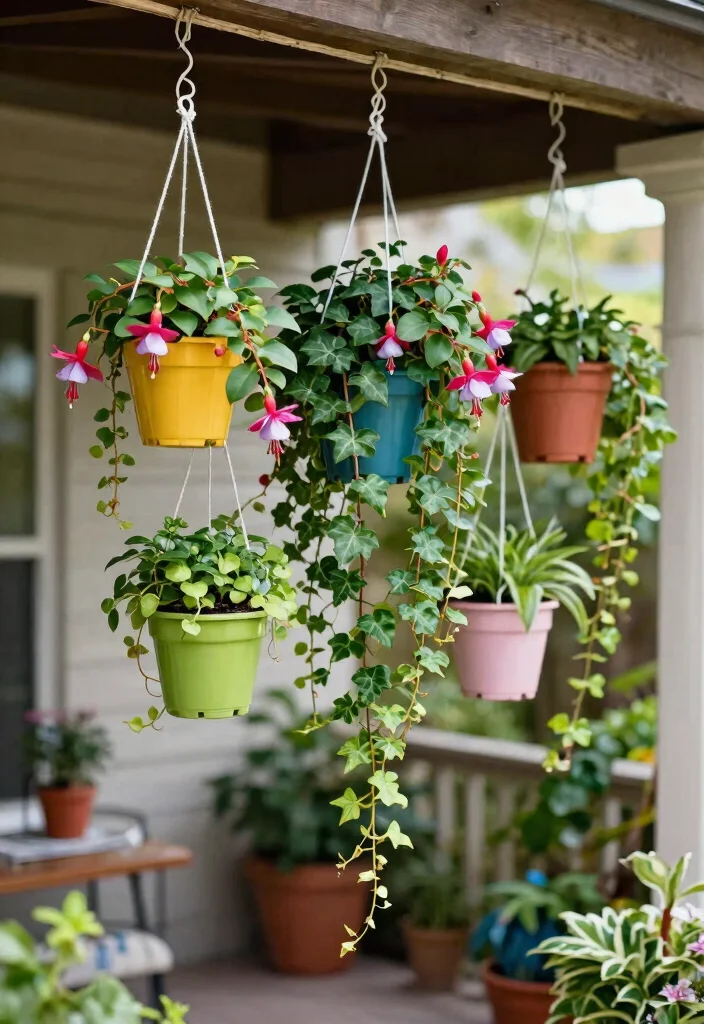
Hanging trellis systems are innovative solutions for vertical gardening, especially in compact spaces. Ideal for lightweight climbers like fuchsia and ivy, these trellises maximize vertical area while conserving floor space.
Installing a hanging system involves attaching hooks or brackets for your plants to climb, creating a striking visual display. Perfect for patios or balconies, this approach allows for lush greenery without overcrowding your space.
Key considerations for your hanging trellis:
– Use strong, weather-resistant materials to ensure durability.
– Mix different hanging heights for an eye-catching effect.
– Pair with pots that match your outdoor decor.
– Regularly check for plant health, as hanging arrangements can dry out quickly.
Hanging trellises are stylish, efficient, and a fantastic way to enjoy vertical gardening in any small area.
Hanging trellis systems prove that big garden vibes can fit on a balcony. With plant trellis ideas, you get lush greenery without sacrificing floor space—lightweight climbers like ivy love it here. It’s practical, stylish vertical gardening that actually works in small spaces.
11. Vertical Garden Wall Planters
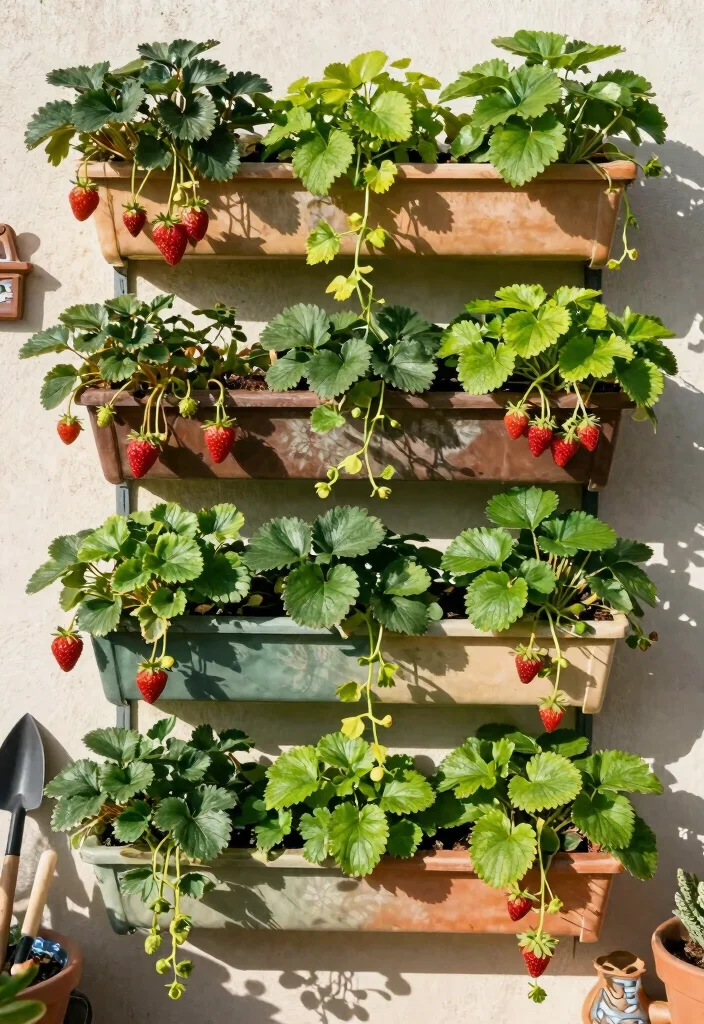
Vertical garden wall planters are a trendy solution for small spaces, allowing you to create a stunning vertical display of heavy vines and vibrant flowers. These planters come in various configurations, offering ample room for climbing plants like strawberries and sweet potato vines.
With the right setup, you can create a vibrant wall of greenery that adds life and color to your home. These planters not only utilize vertical space effectively but also enhance air circulation around your plants, promoting healthier growth.
Tips for your vertical wall planters:
– Use well-draining soil to prevent waterlogging.
– Choose lightweight planters for easy installation and adjustments.
– Consider a watering system for consistent moisture.
– Rotate plants periodically to ensure even growth across the wall.
Vertical wall planters are a chic and functional way to incorporate nature into your living space while maximizing limited areas.
12. Trellis with Integrated Seating
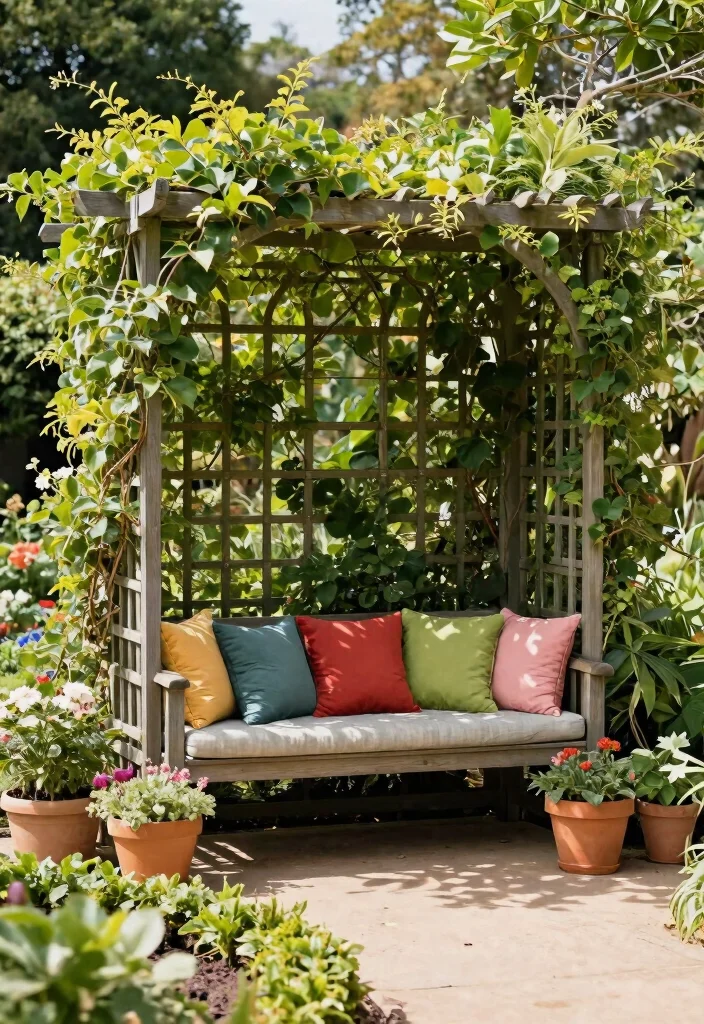
A trellis with integrated seating is a stylish way to enhance your garden experience. This design combines support for climbing vines with comfortable seating, creating a cozy nook for relaxation amidst your greenery.
Perfect for small spaces, this dual-purpose trellis allows you to enjoy your garden while your plants flourish. Look for designs featuring integrated benches or chairs, making it easy to unwind among your climbing plants.
Key considerations for your integrated seating trellis:
– Ensure the trellis is sturdy enough to support both plants and seating.
– Use weather-resistant materials for long-lasting durability.
– Position the seating in a shaded area for comfort under the vines.
– Add cushions to enhance comfort and style.
This innovative garden design maximizes space while creating a charming and relaxing environment.
13. Vertical Grid Planters with Trellis
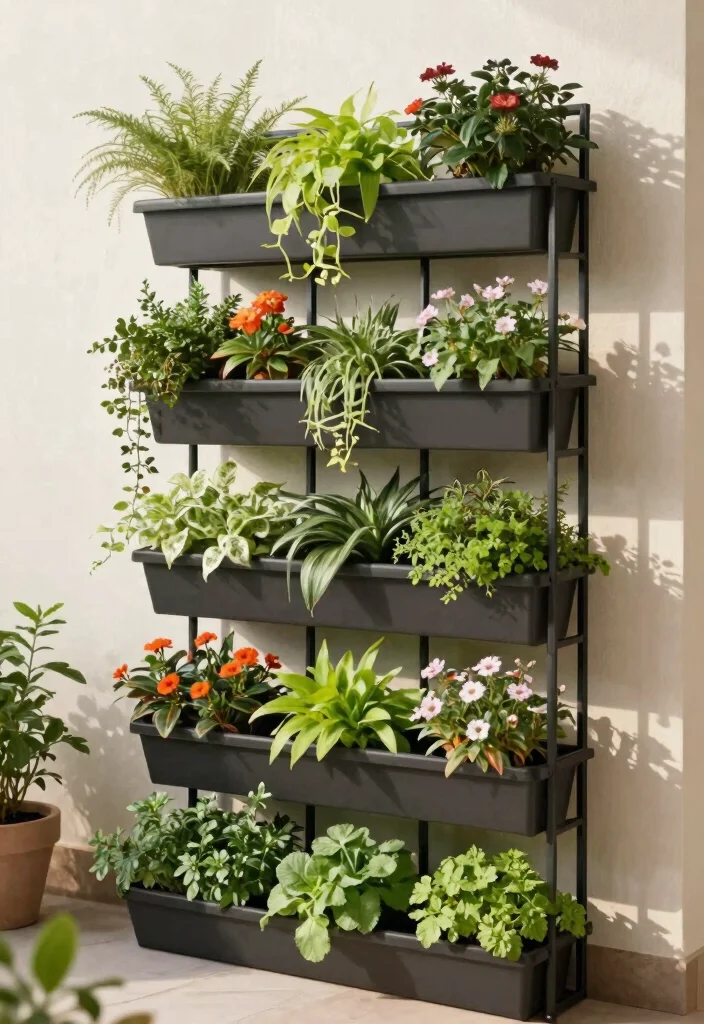
Vertical grid planters combined with trellises offer a practical solution for growing heavy vine plants in limited spaces. This option allows for easy care and maintenance while maximizing vertical potential in your garden.
These planters come equipped with a trellis structure, allowing vines to climb upwards while the base provides room for herbs or flowers. This combination creates a cohesive look while ensuring optimal growing conditions for your plants.
Here are some tips for using vertical grid planters:
– Choose planters with drain holes to avoid excess moisture.
– Regularly prune the vines to maintain their shape and health.
– Integrate drip irrigation for consistent watering.
– Position them in a sunny spot for maximum growth.
This vertical system efficiently utilizes space, providing a lush garden display while keeping everything organized and easy to manage.
14. Colorful Fabric Trellis
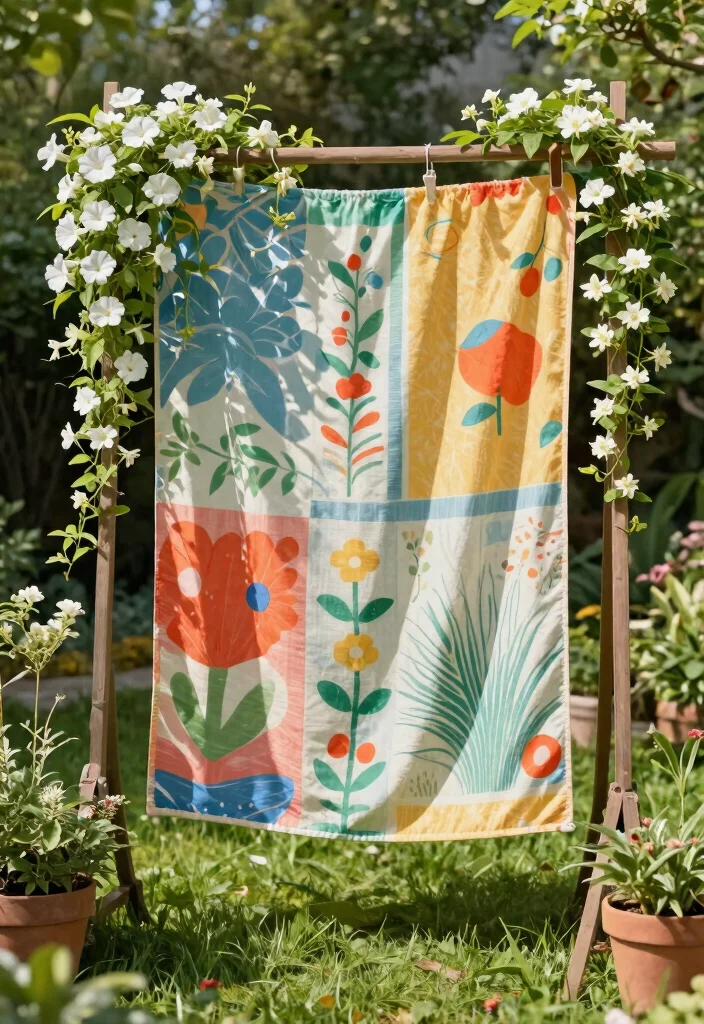
For a vibrant twist on trellis design, consider a colorful fabric trellis that adds personality to your garden. This creative option provides support for lighter climbing plants like morning glories and jasmine while infusing your space with a playful touch.
Fabric trellises can be made from strong, weather-resistant material, offering a delightful pop of color in your outdoor area. They can be hung from fences or walls, creating a soft, breezy look. This DIY option is perfect for those who want to add an artistic flair to their garden.
Tips for your colorful fabric trellis:
– Use bright, patterned fabrics to catch the eye.
– Secure the fabric tightly to ensure solid support for your plants.
– Combine various fabrics for a layered, textured appearance.
– Treat the fabric for UV and moisture resistance to prolong its lifespan.
A colorful fabric trellis is a whimsical way to support your climbing plants while making a bold statement in your garden.
Conclusion
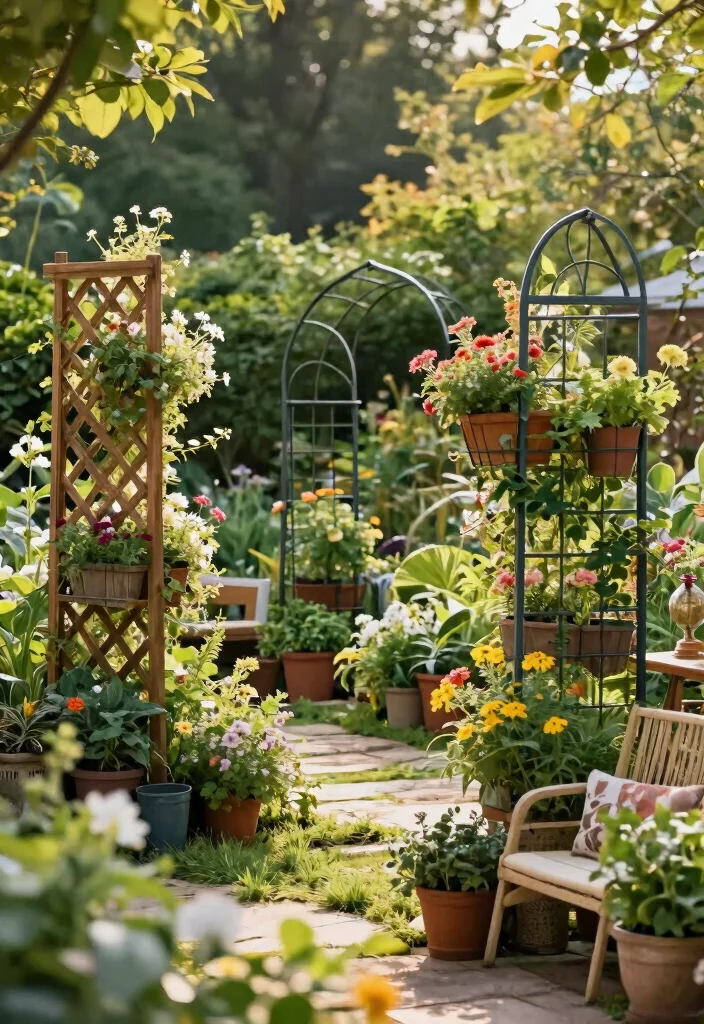
Exploring these plant trellis ideas can transform your gardening experience, especially in small spaces. From rustic charm to modern designs, each option brings unique support for heavy vines while enhancing your garden’s beauty. Whether you decide to DIY a bamboo trellis or invest in an elegant metal arch, the right structure can make all the difference in your vertical gardening journey. Embrace the beauty of climbing plants today and create your own stunning green oasis!
Frequently Asked Questions
What are the best plant trellis ideas to support heavy vines without tipping?
To keep heavy vines secure, start with a sturdy frame and smart weight distribution.
Choose garden trellis designs that include diagonal bracing, reinforced posts, and anchors that go deep into the ground or mount into a solid wall. For freestanding systems, use thick wood or metal, set posts 2–3 feet into the soil, and add cross-bracing or gussets. For wall-mounted setups, select a frame that distributes the load across multiple mounting points. Look for vertical gardening solutions that allow tying in vines at several heights. With the right plant trellis ideas, you can keep heavy vines stable and still enjoy an attractive focal point. If you’re new to DIY trellis projects, start simple and scale up as your vines grow.
Tip: always check anchors after strong winds and prune vines to manage weight during heavy growth.
Which materials are best for DIY trellis projects that can handle heavy vines?
Opt for sturdy, weather-resistant materials so your trellis lasts for years. Look at treated wood (cedar or redwood), galvanized or stainless steel posts, heavy-duty brackets, and steel cable for tensioned panels. For very heavy vines, build a metal frame with concrete footings or mount into a solid wall with multiple anchors. Avoid flimsy wire grids or hollow plastics that sag under load. Combine a strong frame with diagonal bracing and reliable hardware to support heavy vine support while staying true to your plant trellis ideas. Ready-to-assemble kits or DIY plans can help you get a stout result this weekend.
How can I design garden trellis designs to maximize space in small gardens?
Think vertically and modular. Use tall, slim freestanding frames against a wall or fence to gain height without widening the footprint. Consider modular panels you can stack, hinge, or reconfigure as vines grow, and incorporate trellises into fences for privacy or shade. Choose materials that are sturdy but light enough to maneuver in a tight space, and prioritize load distribution so even a small setup handles vigorous climbers. This approach is at the heart of vertical gardening and gives you practical plant trellis ideas for compact areas.
What maintenance and safety tips help prevent tipping and ensure long-term stability for climbing plant solutions?
Create a simple, regular maintenance routine. Inspect anchors, braces, and fasteners at the start of each season and after storms. Prune vines to manage weight and airflow, and use optional cable guy wires for extra stability in windy spots. Check footings or concrete periodically and replace rotted wood or corroded hardware promptly. Keep finishes weather-resistant and clear debris that could catch wind. These steps support reliable heavy vine support and smooth vertical gardening results for years to come.
What are some quick wins to install a sturdy trellis for heavy vines this weekend?
Yes—weekend projects can work! Start by choosing a location with appropriate sun and access. Measure, then buy a simple frame kit or assemble a two-post setup with diagonal bracing. Dig two sturdy holes, pour concrete, set the posts, and brace them so the frame stays square. Attach a crossbar or lattice panel, then add any additional anchors or cables to distribute weight. Train your vines gradually and test stability by gently tugging. With these practical steps, you’ll have a strong, attractive plant trellis ideas ready for climbers in no time.
Related Topics
plant trellis ideas
vertical gardening
heavy vine support
DIY trellis projects
climbing plant solutions
small space gardening
garden trellis designs
easy gardening
beginner friendly
outdoor decor
sustainable gardening
creative trellis ideas
