
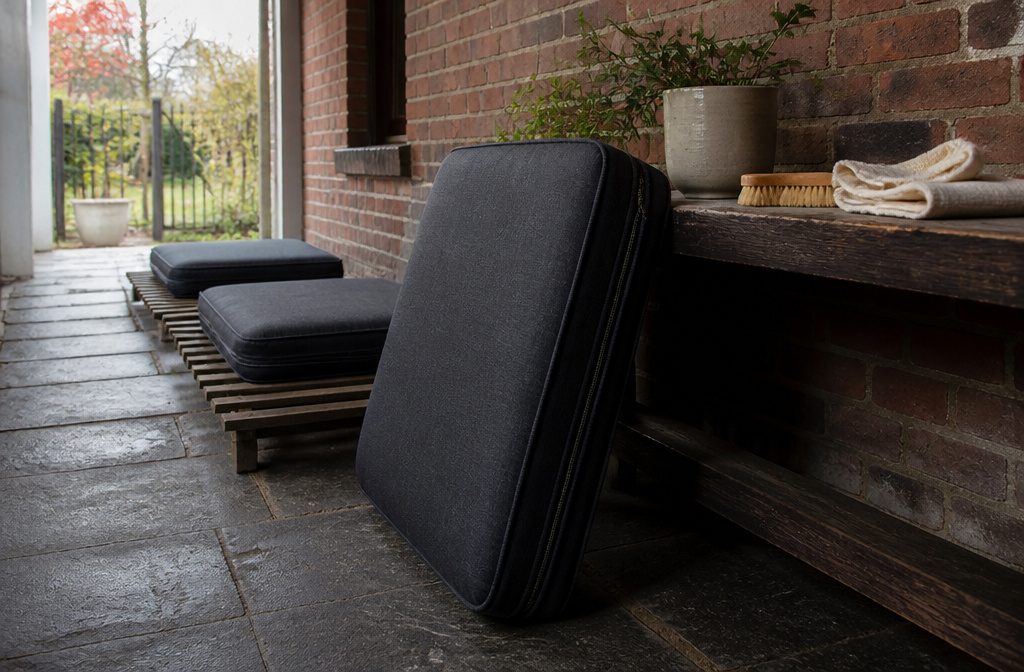
Outdoor cushions stored wet or in damp spaces will develop mold within weeks, and mold damage rarely comes out.
The six steps here take a full day if you’re starting from a clean slate, less if your cushions are already dry. Most people skip the inspection step, which means pest damage or mildew spreads unchecked through storage.
1. Check Care Instructions and Inspect Cushions
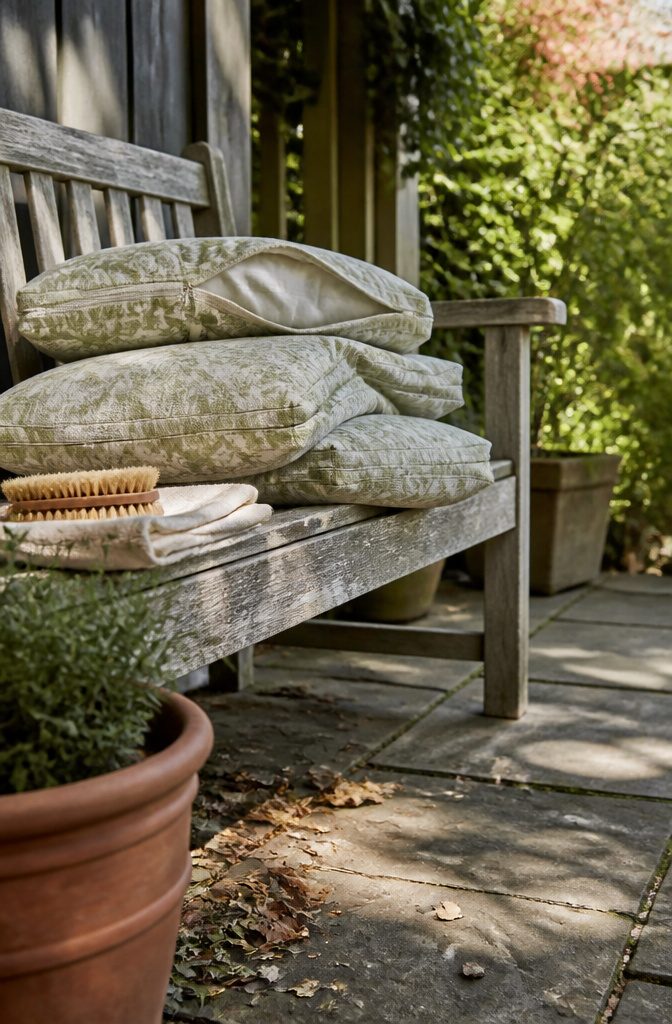
The manufacturer’s label on your cushion covers tells you what that fabric can handle. Some outdoor fabrics shouldn’t go through a washing machine, and many fillings can’t tolerate too much water without damage.
Check before you clean. Start by brushing off pollen and dirt with a dry cloth.
If the covers are removable, hand-wash them separately using a mild detergent and a sturdy brush. Let them air dry completely unless the label says you can use a tumble dryer.
Before storage, inspect the cushions themselves for any signs of existing trouble: pest damage, mold, or mildew. Cushions that spent months outside need this check more than new ones do.
Look at seams and corners where moisture collects, and check the underside where pests hide. Catching these problems now means they won’t spread in storage.
Make sure both the covers and the filling are completely dry before you pack anything away. Moisture trapped inside a sealed box or bag creates the exact conditions mold needs to grow.

LARGE OUTDOOR STORAGE BOX: Fashionably store your outdoor furniture cushions, pool gear, and more. This outdoor storage bench offers lots of convenient, lockable storage space and has enough room to seat 2 adults.

DIMENSIONS: Compact Yet Spacious. Exterior: 22.75" L x 17.3" W x 21.7" H / Interior: 22.71" L x 16.3" W x 20.3" H — the perfect size for patios, balconies, and small outdoor spaces.
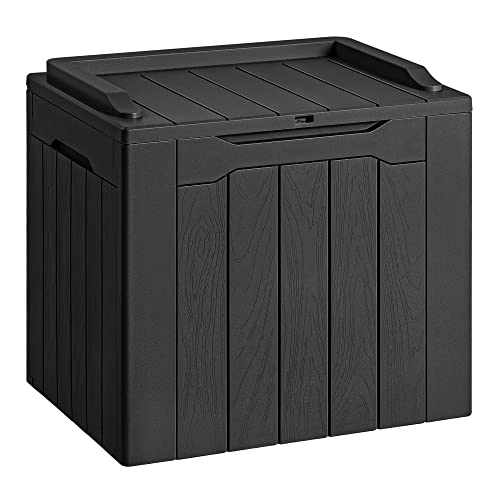
Light & Solid: Made of a high density resin material, it is stable, waterproof and UV resistant. The net weight of this deck box is only 8.8 pounds
2. Clean the Cushions
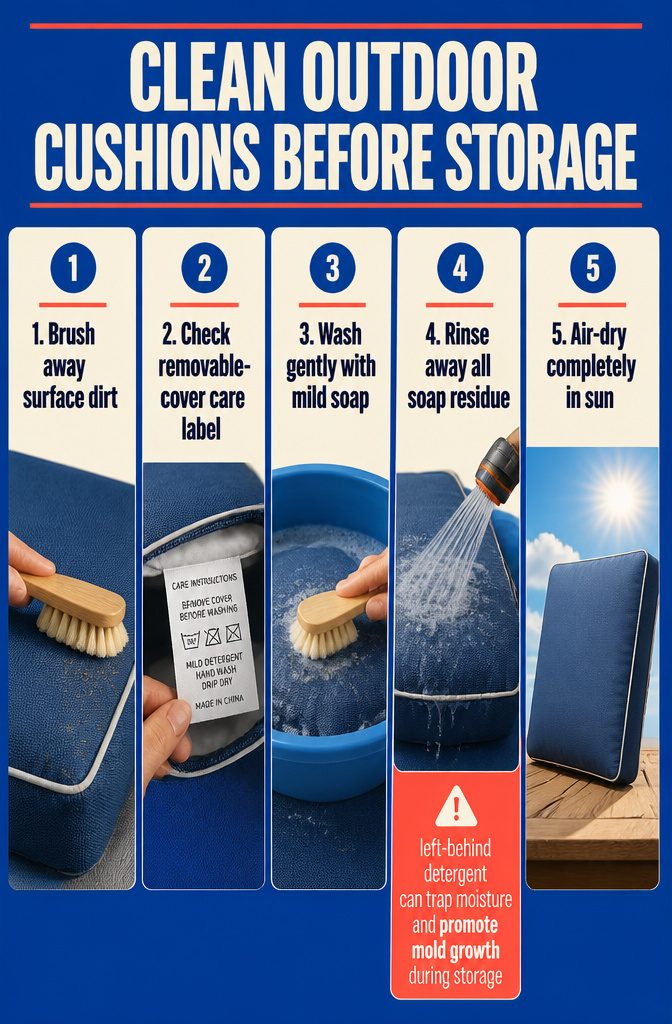
Start by removing surface dirt with a dry cloth or soft brush, paying special attention to seams and crevices where pollen and debris collect.
If the cushion covers are removable, check the care label first. If hand washing is approved, use a mild detergent solution and a soft brush or cloth to scrub gently.
For cushions you can’t remove the cover from, apply the same mild soap solution directly to the fabric and work it in with light pressure.
Rinse thoroughly with a hose to clear all soap residue; left-behind detergent can trap moisture and promote mold growth during storage. Let the cushions air dry completely in the sun before packing them away.

【Extra Large Capacity】Stop wrestling with scattered patio cushions and struggling to find space for bulky lounger pads. This extra large patio outdoor cushion storage bag measures 48"L x 16"W x 22"H and easily holds multiple outdoor cushions, bench cushions, full seating cushion sets, and even large lounger pads—all in one organized place.

Extra Large Capacity: Premium outdoor furniture storge bag measures 60" W x 20" D x 29" H, holds a combination of patio furniture cushions or covers and other daily necessities; ATTENTION! It is holding up to 27 pcs 19"x19"x3" cushions

ALL-WEATHER SHIELD - Say goodbye to soggy cushions Our upgraded waterproof design with advanced 210D Oxford fabric ensures your cushions stay bone-dry even in the heaviest downpours No more worries about unexpected rain or snow ruining your outdoor essentials
3. Dry Completely Before Packing
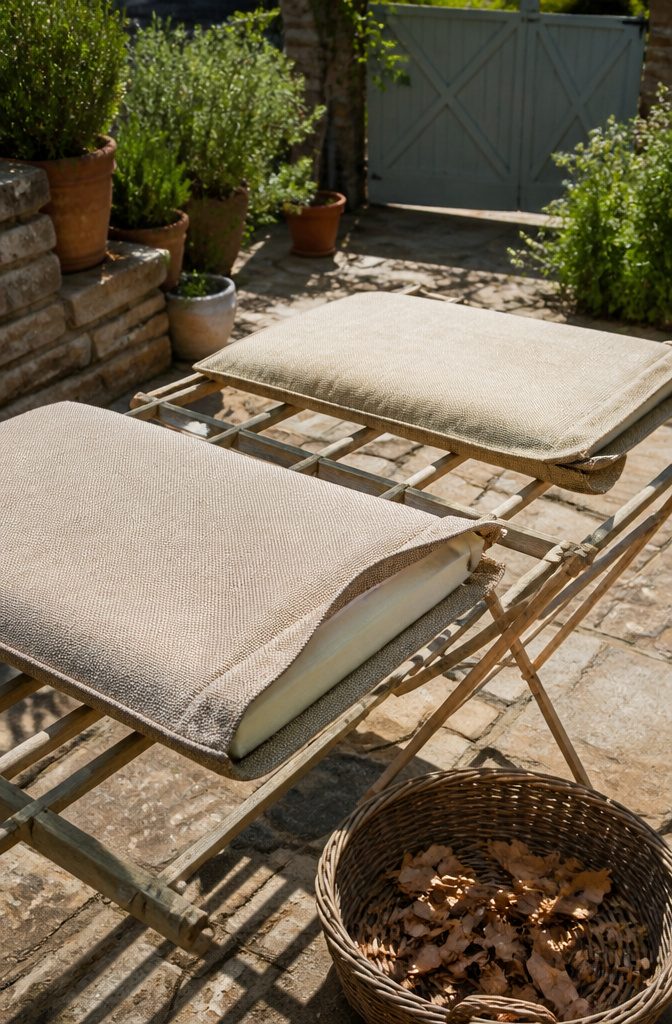
Moisture trapped in cushion fabric and foam creates the ideal conditions for mold and mildew to grow in storage.
Let cushions air-dry completely before packing them away, which means waiting until they feel dry to the touch and any foam inside has lost all dampness.
This usually takes a full day in warm, dry weather, longer if humidity is high or if you’ve just cleaned them.
Sun and air circulation speed the process, so set them out in an open space rather than stacking them together.
Check the care label on your cushions first; some fabrics tolerate machine drying on low heat, which saves time. Without proper drying, you’ll open your storage container in spring to find stains and smell, and mold damage rarely comes out.

[ MULTUI-FUNCTION USE ] If the dryer cannot work in time, you can use clothes drying rack in the open air; it can also be placed indoors to store clothes to keep your clothes "just ironed", clean and wrinkle-free.

STURDY---Constructed Of Heavy Duty Stainless Steel Metal and ABS, Weight Capacity Is Up To 33lb (15kg),Durable and anti-rust; Sturdy and not easy to be out of shape; reusable and rust-proof.

Spacious & Rotatable: With 16 aluminium alloy arms, this clothes drying rack offers plenty of space to lay out clothes or towels flat or hang them up to dry. Thanks to the rotatable design, all items can be conveniently hung up and taken down
4. Choose a Storage Location
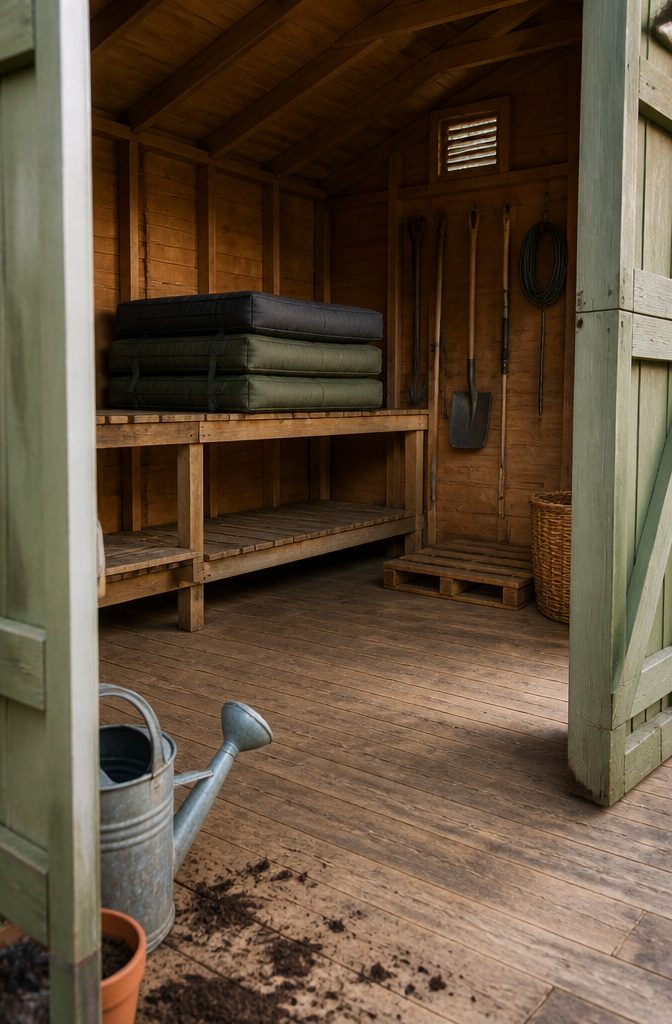
A dry, cool, well-ventilated space indoors will keep cushions safe through the off-season. A garage, basement, or shed works best because these areas prevent the moisture buildup that leads to mold and mildew.
If you don’t have indoor storage, a sheltered outdoor spot like a covered porch or storage shed is the next choice.
Keep cushions off the ground using shelves, racks, or pallets.
Direct contact with damp surfaces draws moisture up into the fabric, especially in areas where condensation collects or flooding is possible. Even indoors, keep them away from direct sunlight to preserve the color and integrity of the material.
The location itself matters as much as what you put them in: pick a place that stays dry and where air can move around the cushions, not a corner where damp settles and stagnates.

MULTI PURPOSE USE: Tires, car, truck, grills, spokes, bumpers, wheel well, concrete, decks, house, pots

MULTIFUNCTIONAL CLEANING BRUSH: High-quality soft household cleaning brush bristles can easily clean dirty parts of clothes, such as collars and cuffs without damaging the fabrics, and can also be used to clean stains on tiles and countertops, making home cleaning easy.

OXY-POWERED OUTDOOR STAIN REMOVAL: This Outdoor Cleaner & Stain Remover delivers powerful spot cleaning with an oxy-powered formula. Designed to tackle tough outdoor stains caused by mold, mildew, algae, dirt, and grime, it helps refresh patios, decks, and outdoor living spaces
5. Pack and Protect Cushions
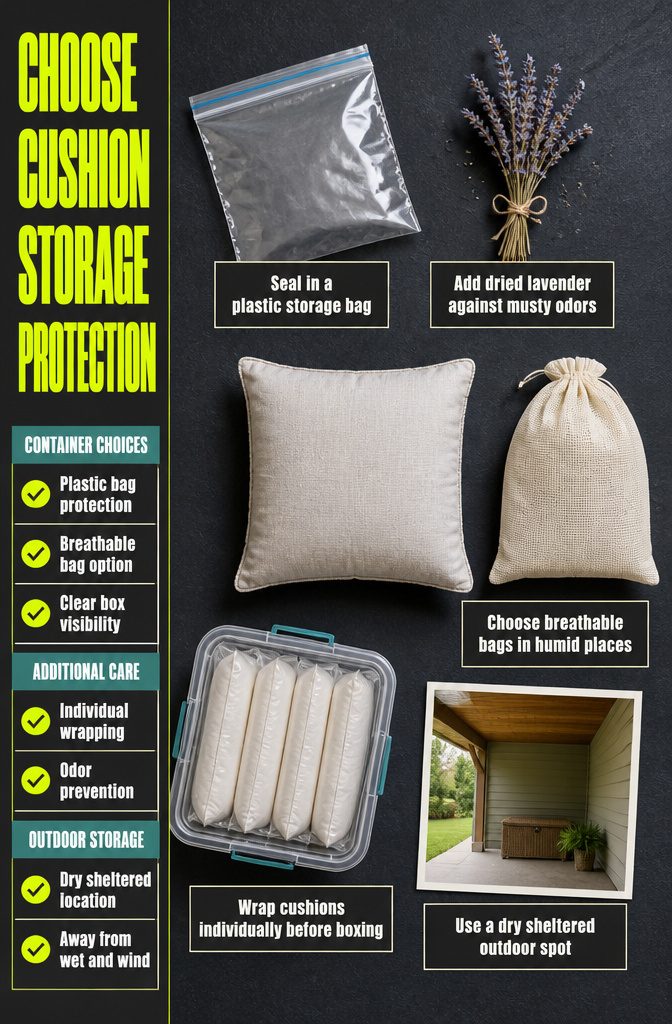
Plastic bags are the easiest choice for cushion storage. A sealable plastic bag keeps moisture and dust away from the fabric, and you can nest it inside a shed or deck box for an extra layer of protection.
For a step further, add a handful of dried lavender to the bag before sealing it; the lavender reduces musty odors that build up in closed spaces over months.
If you live somewhere humid, breathable fabric bags let air move through while still guarding against dirt, which matters because trapped moisture breeds mold even inside a plastic layer.
Clear plastic boxes work well too, since you can see what’s inside without opening them mid-season. Wrap each cushion individually before placing it in the container; this keeps them from pressing against each other and creasing.
For outdoor storage without a shed or deck box, choose a dry, sheltered spot where rain and snow won’t reach.
A covered porch, carport corner, or the underside of an eave all work. The goal is keeping cushions away from standing water and direct wind-driven weather, not perfect conditions.

Quickly removes stains caused by mold and mildew on contact without heavy scrubbing; EASY TO USE - spray, wait until the stain disappears, then rinse
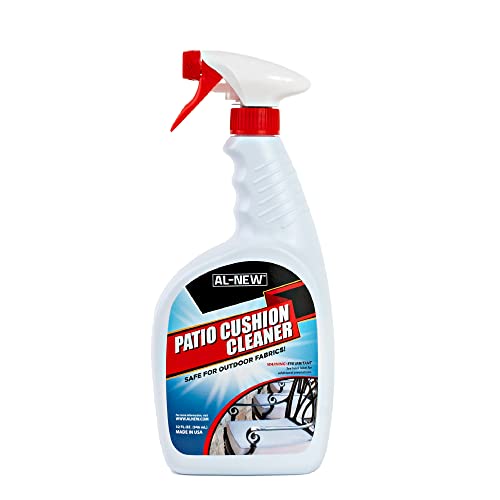
Best Way to Clean Outdoor Patio Cushions, Fabric Cushions, Patio Furniture Covers, Sunshades & Sail Cloth, Fabric Awnings, Umbrellas & More!

Removes Mold and Mildew Stains: POFL Outdoor Fabric and Furniture Cleaner removes tough mold and mildew stains, dirt buildup, grime, and outdoor stains from patio cushions and outdoor fabrics.
6. Monitor Storage During the Off-Season
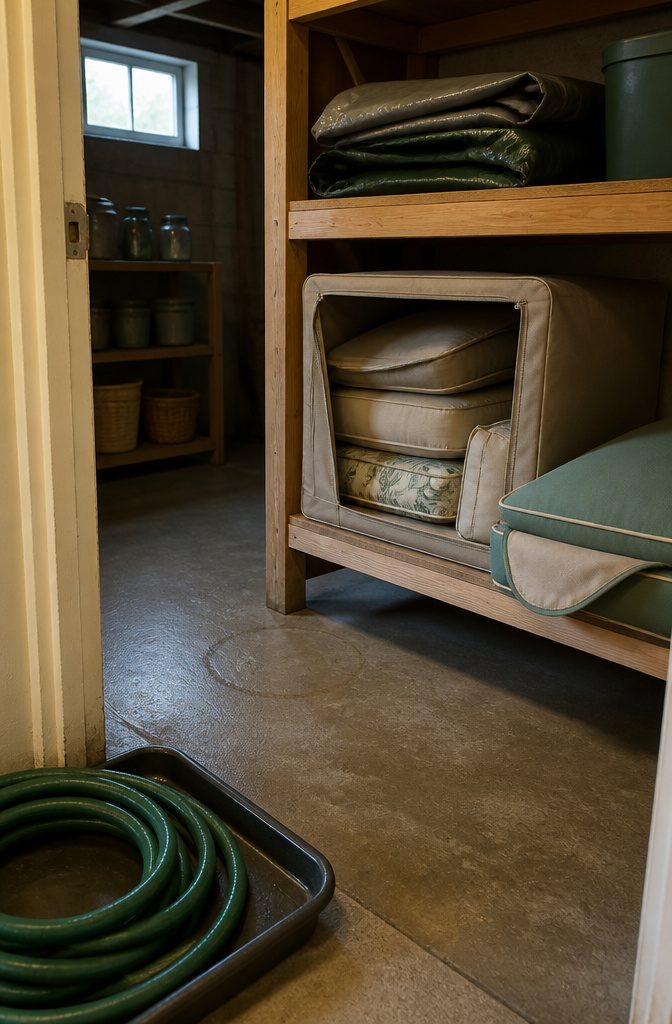
Cushions left in storage can develop problems you won’t notice until next season. Check the storage area every 4–6 weeks, especially during humid months or in climates where moisture collects easily.
Look inside containers and under covers for soft spots, discoloration, or a musty smell, all of which signal mold growth. Pest droppings, chewed fabric, or small entry holes mean rodents or insects have found their way in.
If the storage space feels damp to the touch, add moisture control.
A dehumidifier works well in larger spaces like a basement or shed; in smaller spots like a closet, moisture-absorbing packets designed for storage take up minimal room and can be refreshed or replaced as they saturate.
Open containers occasionally to let air circulate, but only on dry days. A single wet cushion left sealed for months will rot from the inside out, so catching dampness early keeps the whole stack safe.

LARGE OUTDOOR STORAGE BOX: Fashionably store your outdoor furniture cushions, pool floats, and more. This outdoor storage bench offers lots of convenient, lockable storage space and has enough room to seat 2 adults.

Exterior Dimensions: 5 ft. L x 2 ft. W x 2 ft. 2. 5 in. H; Interior Capacity: 130 Gallons

【Dimension】- 68"L x 30"W x 20"H/173 x 76 x 51cm, fits for most outdoor cushions and also other furniture.
Protect Against Weather and Moisture
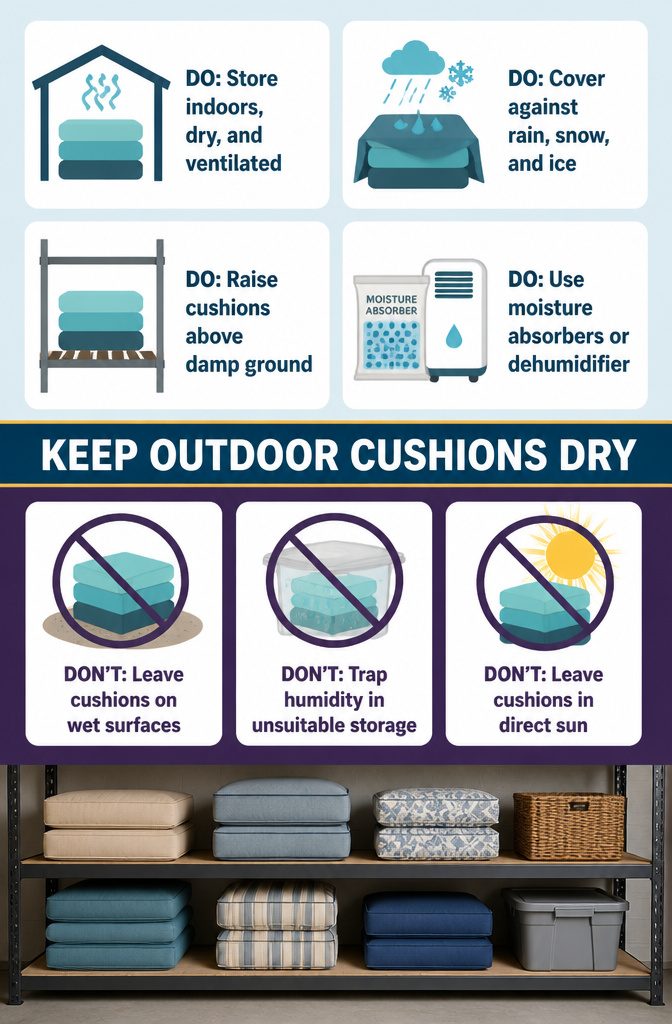
Moisture is the fastest route to mold, mildew, and a cushion that won’t recover. Damp air gets inside fabric and foam, and once it does, drying it out again is nearly impossible without professional equipment.
The solution is both prevention and containment: keep moisture out before it settles in, and choose a storage setup that stops it cold.
Store cushions indoors in a dry, well-ventilated space like a garage, basement, or shed.
These environments naturally resist the humidity buildup that outdoor storage invites. If indoor storage isn’t an option, cover cushions with waterproof tarps or plastic sheets to shield them from rain, snow, and ice.
Keep them off the ground on shelves, racks, or pallets so they don’t sit against damp surfaces where condensation pools.
In wet or snowy climates, airtight plastic containers are worth the space they take. They lock out moisture and pests both.
In humid regions, breathable fabric bags do the opposite work: they let air move through so mold can’t take hold. Moisture-absorbing packets placed inside either type reduce humidity levels.
A dehumidifier running in your storage area works too, though it costs more upfront. Even indoors, keep cushions away from direct sunlight to prevent the fabric from fading over the months they sit.

Room for Bulky Soft Items: at 50 x 15 x 25 inches and 304 L, this extra large duffle bag takes stacked patio cushions, comforters, blankets, pillows and sleeping bags that smaller large storage bags leave behind, so seasonal gear clears the closet in one trip

Large Capacity: NettyPro patio storage bag guaranteed to fit Christmas trees, holiday Xmas disassembled decorations and other chair, bench, chaise cushions up to 50" W x 15" D x 25" H.

【Extra Large Capacity】 Measures 48"L x 16"W x 22"H (121x40.6x56cm)—fits most patio cushions, chaise lounges, wicker furniture, Christmas trees, and camping gear. Large-gallon capacity for versatile storage.
Prevent Pest Damage
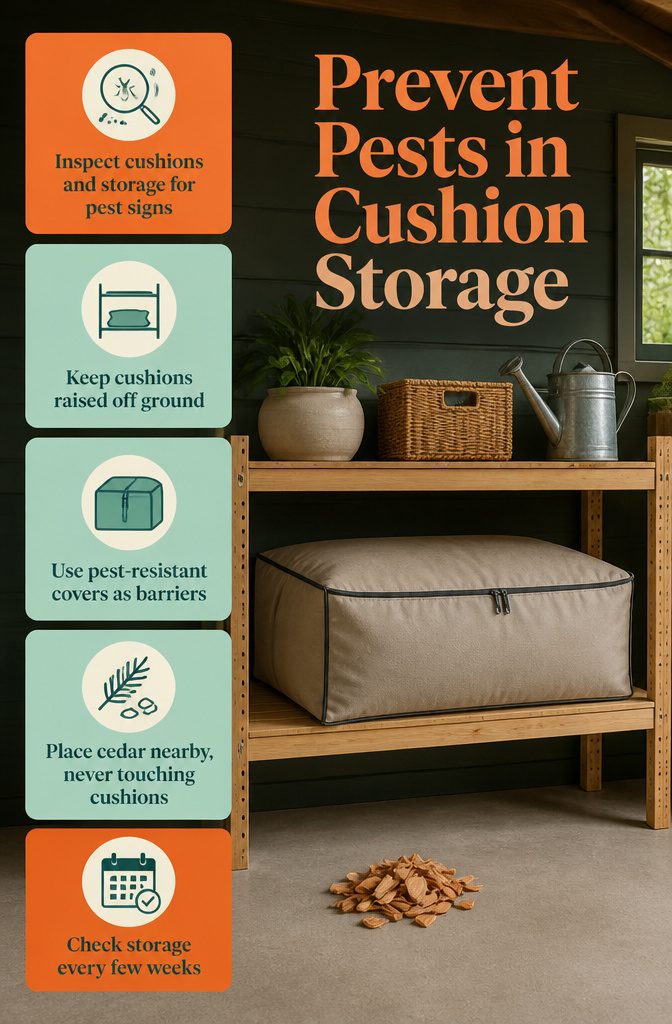
Before storing cushions, inspect both them and your storage area for signs of pest activity like droppings, damage, or nesting material.
Bugs and rodents are attracted to outdoor storage more readily than indoor spaces, so catching an infestation early keeps it from spreading through your stored items.
Keep cushions off the ground using shelves, pallets, or storage racks.
This simple step deters rodents and insects from nesting underneath or burrowing into the fabric. Cushions sitting directly on a concrete floor or soil invite pests to move in for the season.
Wrapping cushions in pest-resistant covers or storage bags creates a physical barrier against insects.
If you prefer a natural approach, cedar chips or essential oils placed near (not touching) the cushions can help repel pests without chemicals. Cedar’s scent is one of the few natural deterrents insects actually avoid.
Check your storage area regularly throughout the off-season for any pest activity, and address problems as soon as you spot them. A quick inspection every few weeks catches small issues before they become major damage.

46 LINEAR FEET OF DRYING SPACE: Gullwing side panels lift and lock open for a wide drying field, then fold down when you need a narrower footprint in a tight room

★UMBRELLA DRYING RACK INCLUDED ACCESSORIES:The clothes drying rack package contains a preassembled umbrella drying rack, a metal ground plug, and a protective cover. The protective cover is made of waterproof material, which can play a good protective role in rain and snow weather.

Size - Towel rack stand assembled size 16.54" L x 8.4" W x 30" H, it can be store the standard washcloths, face and hand towels.
Storage Options for Deck Boxes and Sheds
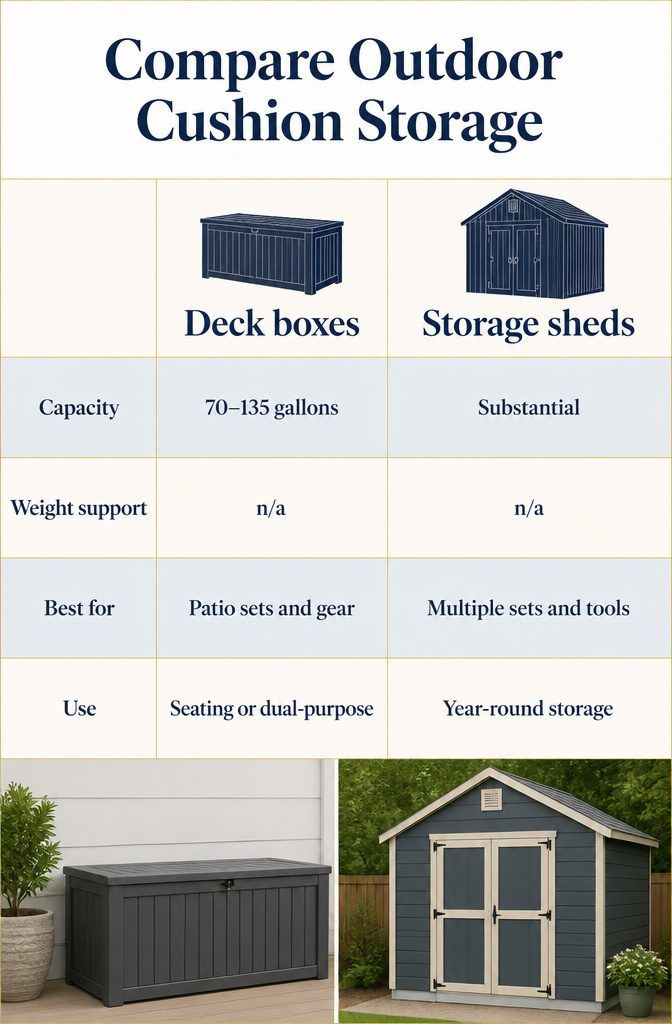
Deck boxes and storage sheds are purpose-built for outdoor gear and offer the sealed space cushions need. Capacity matters when you’re fitting cushions plus other seasonal items, so check the dimensions before buying.
| Container | Capacity | Weight Support | Best For |
|---|---|---|---|
| Foreverspring bench | 70 gallons | n/a | Small patios, seating storage combo |
| Resin deck box | 121 gallons | n/a | Most cushion sets, moderate gear |
| 68-inch console table | 135 gallons | 200 lbs exterior weight | Large cushion collections, dual purpose |
| Metal lean-to shed (10 ft) | Substantial | n/a | Multiple sets, gardening tools, year-round use |
If your deck box lacks waterproofing, cover it during winter months to prevent moisture from seeping in. Plastic and metal boxes benefit from moving indoors or into a garage during severe weather; this step extends their lifespan considerably.
For boxes that stay outside, pair them with moisture-absorbing packets inside the container and use old blankets or towels under cushions to prevent compression and dampness.
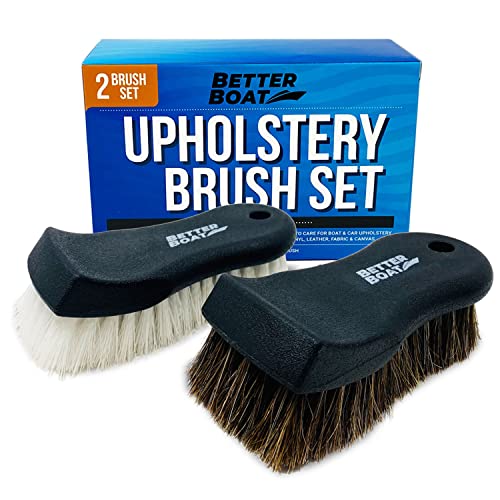
PERFECT PAIR OF FIRM AND SOFT BRUSHES: This set comes with 2 brushes including firm nylon bristles and a soft horse hair bristle brush for leather to make cleaning car seats, boat seats, upholstery, mats, wheels, carpet, or as a leather brush, easy.

Stiff bristles remove dirt and grime, breaking up stains and lifting dirt and debris from carpeted and upholstered surfaces

【HEAVY-DUTY BRUSH】Brush is made of PET bristles for heavy-duty jobs.Works great for cleaning carpet,bathroom sinks,walls,floors,outdoor furnitures,tub,grout,tiles,shower corners.
Clean Mold or Mildew Stains
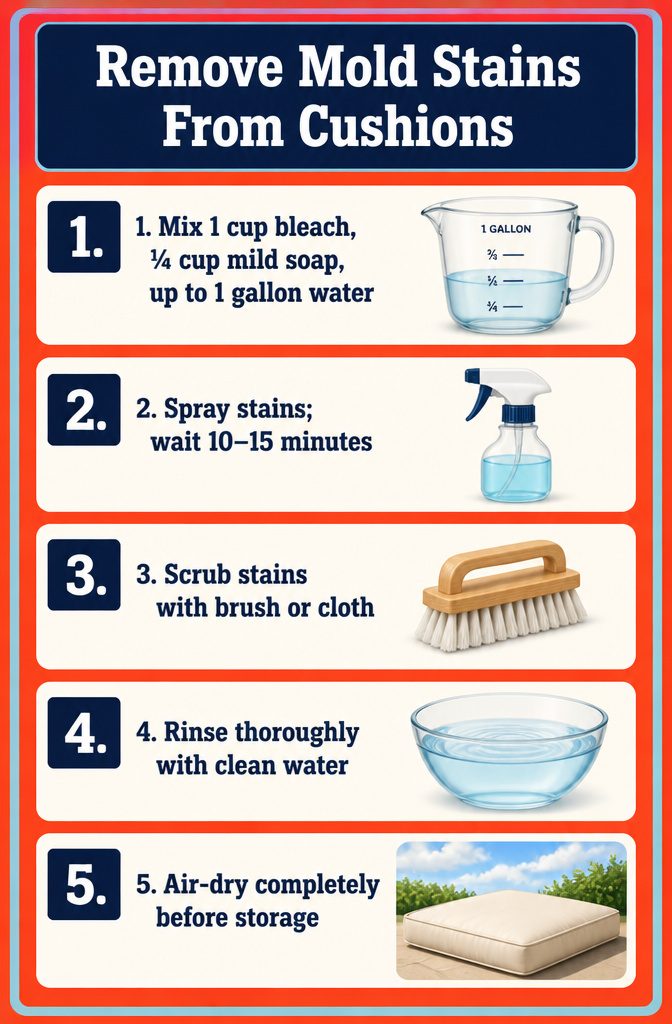
- Mix one cup of bleach, one-quarter cup of mild soap, and up to one gallon of water in a spray bottle until the soap and bleach dissolve completely.
- Spray the mixture directly onto mold or mildew stains and let it sit for approximately 10 to 15 minutes.
- Scrub the affected area with a brush or cloth to remove the stains.
- Rinse thoroughly with clean water to remove all traces of the bleach mixture.
- Air-dry the cushions completely before moving them into storage. Any moisture left behind will trap mildew and defeat the cleaning.
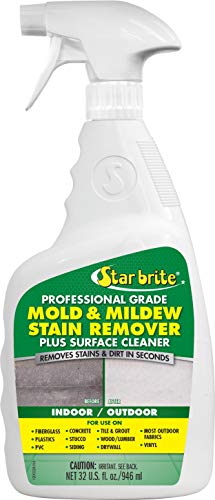
Quickly removes mold, mildew, moss and algae stains on contact without heavy scrubbing; EASY TO USE - spray, wait until the stain disappears, then rinse

BRIGHTER RESULTS INSTANTLY: Noticeably brightens surfaces, removing mold and mildew stains as you watch
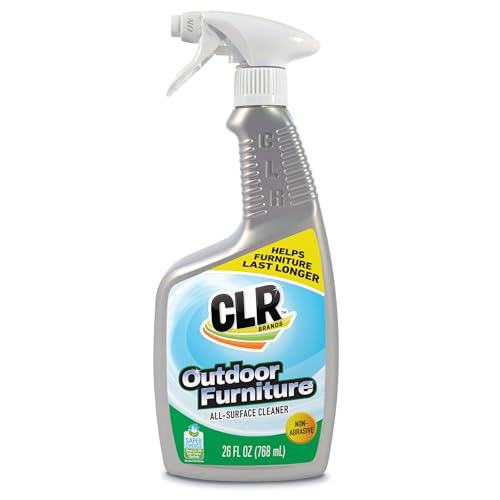
HUNDREDS OF USES: Tackle the whole yard with this powerful outdoor furniture cleaner. Formulated for use on patio, lawn and deck furniture, it is an effective and versatile product for outdoor furniture - from upholstery to plastic play sets.
Storage for Different Climates and Fabrics
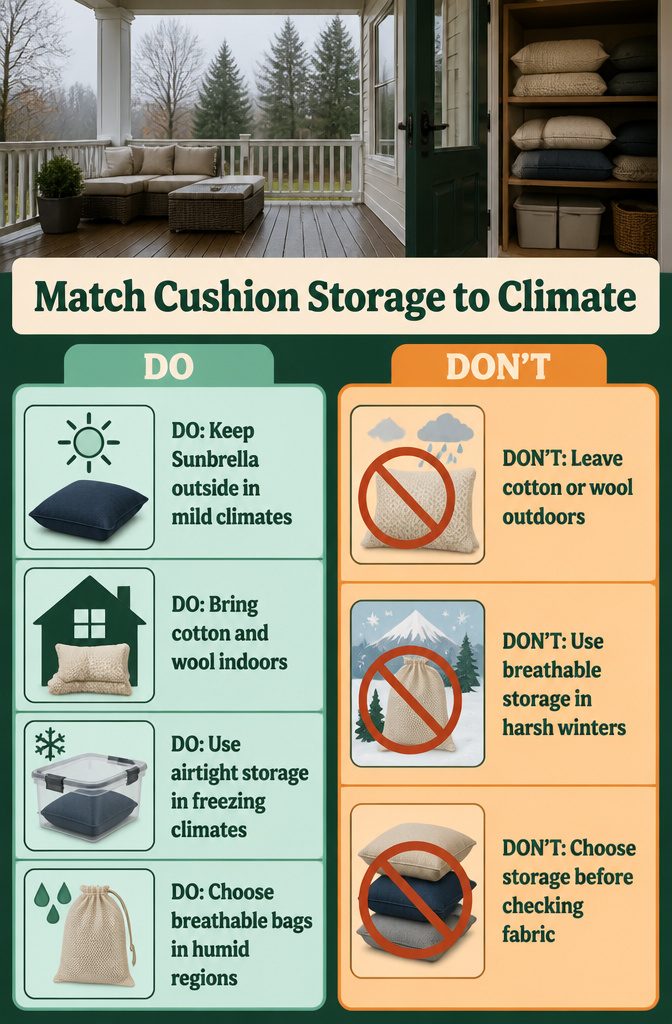
Where you live and what your cushions are made of decide whether to bring them inside for winter. Cushions made from durable fabrics like Sunbrella can stay outside all winter in mild climates.
If you live in a cold area where freezing temperatures arrive, bring cushions indoors or store them in an airtight container to prevent damage from ice and moisture.
Cotton or wool cushions need to come inside regardless of climate; rain and freezing temperatures will break them down faster than weather-resistant synthetics.
Durable materials handle rain better than delicate fabrics, but the real split is between what your climate does and what your cushions are made of.
In harsh winters, airtight containers add a layer of protection that breathable storage cannot match. High-humidity regions benefit more from breathable fabric bags, which let air circulate and prevent mold and mildew from taking hold.
The choice matters most in transition seasons, when moisture lingers but temperatures haven’t dropped enough to freeze it out. Know your climate zone and your fabric type first, then pick your storage method to match both.
Frequently Asked Questions
can you leave outdoor cushions outside in the winter?
It depends on your climate and what your cushions are made from. Durable fabrics like Sunbrella can stay outside all winter in mild climates, but bring cushions indoors in cold areas where freezing temperatures arrive.
Cotton or wool cushions need to come inside regardless of climate, since freezing and moisture will break them down faster than weather-resistant synthetics.
can you leave cushions in a deck box over winter?
Yes, but take precautions. If your deck box isn’t waterproof, cover it during winter months to prevent moisture from seeping in.
Add something under the cushions like old blankets or towels to prevent them from flattening and getting damp. Consider moving plastic or metal boxes into a garage or shed during severe weather to extend their lifespan.
how do you store garden cushions over winter?
Store them indoors in a dry, well-ventilated space like a basement, garage, or shed if possible. Clean the cushions thoroughly, let them air dry completely, then place them in plastic bags or storage containers.
If you must store them outdoors, use a dry, sheltered spot like a covered porch or the underside of an eave where rain and snow won’t reach.
can you vacuum pack outdoor cushions?
Yes, vacuum packing works for outdoor cushions.
Clean the cushion first, then choose a bag that fits and seal it tightly to compress the cushion. This method saves significant space, though the cushion will take time to re-expand once you open and remove it from storage.
is it ok to leave outdoor cushions in the rain?
Most outdoor cushions made from durable materials can withstand rain without damage.
However, cotton or wool cushions should be brought inside when rain starts, since these delicate fabrics don’t tolerate extended moisture exposure. If you’re unsure what your cushions are made from, err on the side of caution and bring them in.
can you store outdoor cushions in vacuum bags?
Yes, vacuum bags are an effective storage option for outdoor cushions. Make sure the cushions are clean and completely dry before sealing them in a vacuum bag, as any trapped moisture can lead to mold.
Vacuum storage cuts the space cushions take up, though they’ll need time to expand after you remove them from the bag.