These ideas run from a bamboo shelf you carry home today to a recessed niche that needs open walls and a contractor’s schedule.
What decides which one is yours is whether you own the bathroom or answer to a landlord, because that single fact eliminates several options before you ever pick up a drill.
The rolling cart with powder-coated metal casters and the freestanding bamboo four-tier unit are both built for renters who need their security deposit back; the recessed niche with its sloped tile sill and waterproofed back demands a remodel you can only do when the wall is already open.
1. Floating Shelves
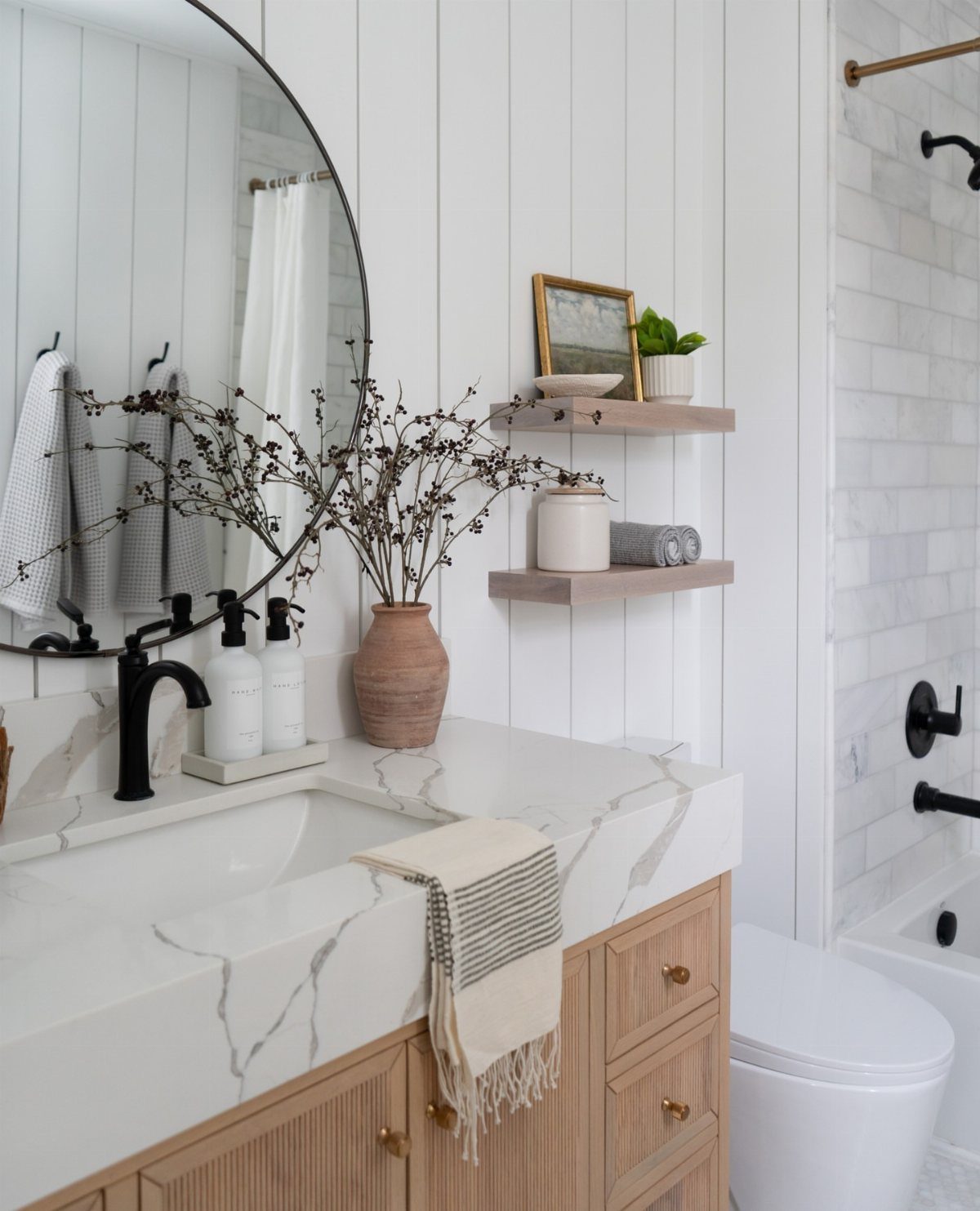
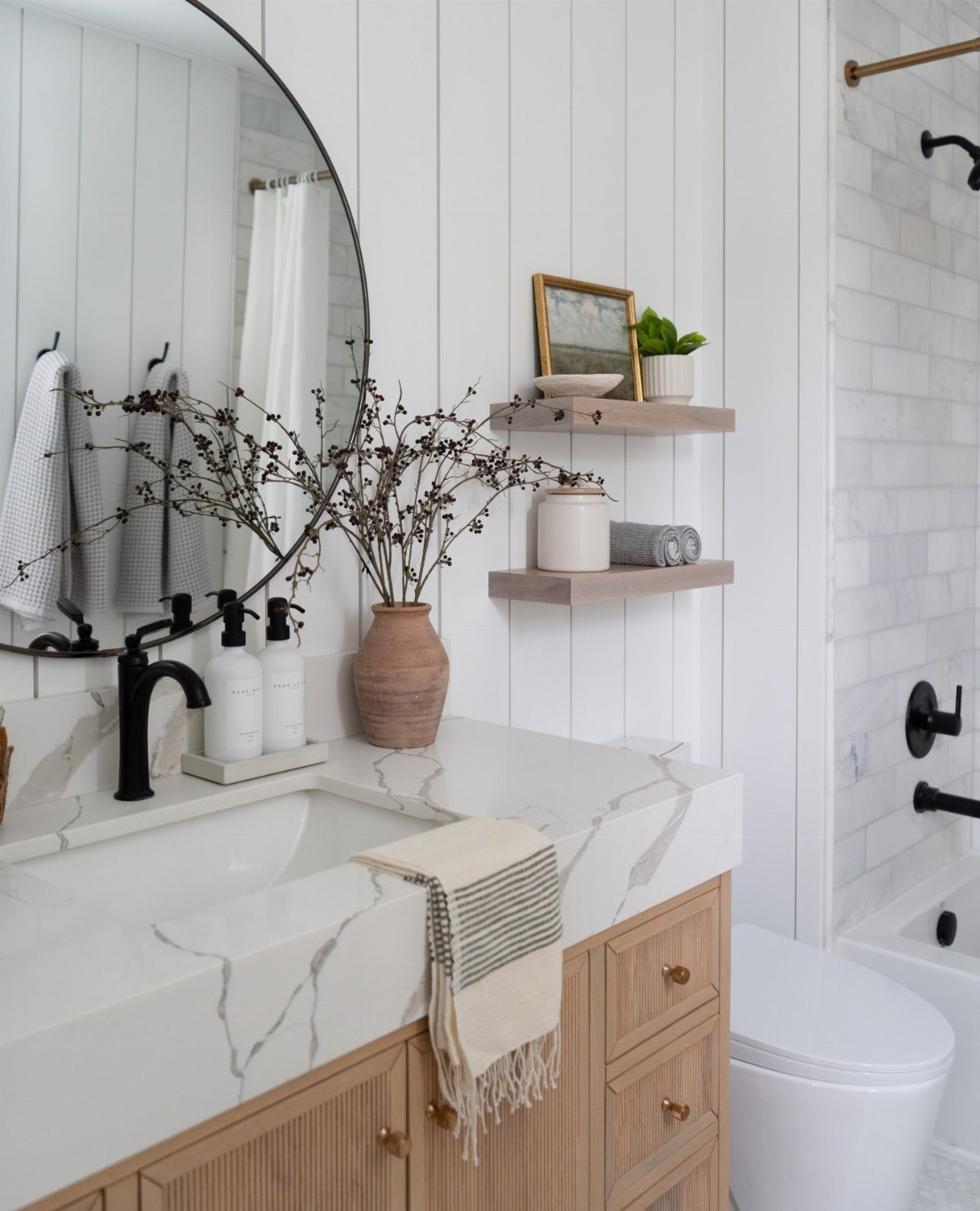
Floating shelves turn the wall above your vanity into usable space without eating into the room itself. 2 wood shelves on vertical shiplap give a natural anchor; the grain plays against the marble counter without fighting it.
Before you install, check your wall type. Shiplap or studs make mounting straightforward; tile or plaster needs different hardware and usually a drill bit you do not already own.
I would keep the shelf depth shallow in a small bathroom; anything deeper and you are ducking around your own toiletries.
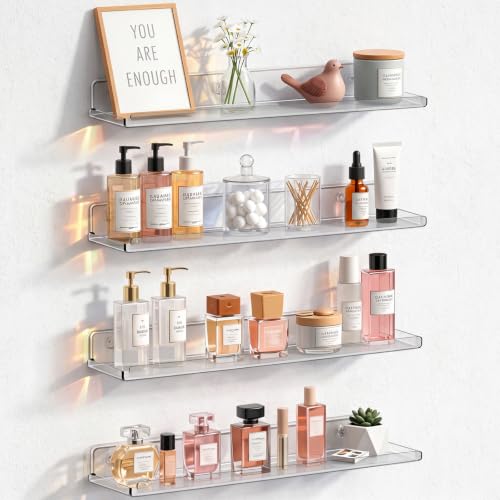
Sturdy & Stable: These floating wall shelves mount securely with expansion screws for a stable hold. Solid plastic material delivers lasting sturdiness, supporting up to 13 lb (6 kg) per shelf. All edges are well-finished for safety and front/side lips keep your essentials secure

Material: Medium Density Fiberboard, outlasts wood in damp bathroom environments

Use Every Bit of Wall Space - Installing white and gold floating shelves (Size: 17"L x 6"D x 2.2"H) set of 3 can help you add both storage and style to your bathroom, bedroom, closet, nursery etc., and they don’t need to take up a single square foot. Forbena Floating shelves bathroom can hold everything from daily essentials like skincare serums and washcloths to decorative items like indoor plants, fresh flowers or framed artwork.
2. Bathroom Door Storage
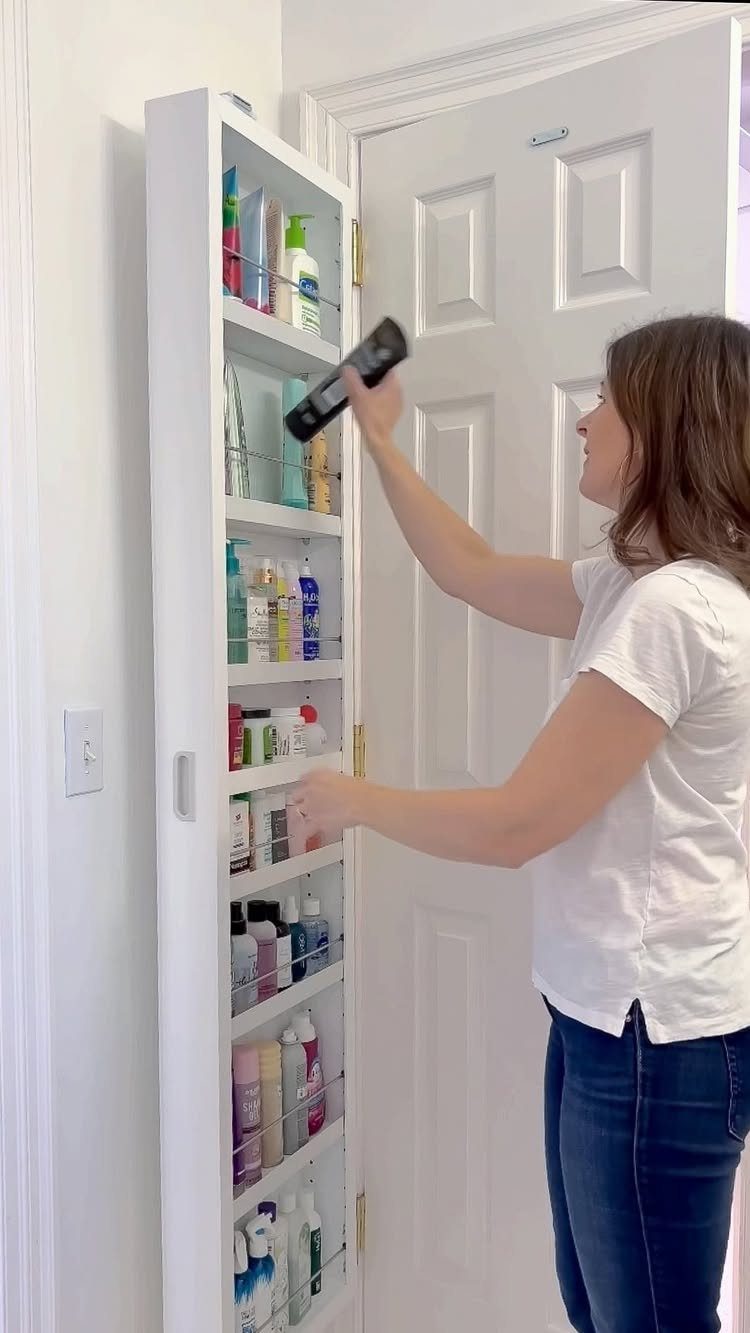
A door-mounted cabinet turns the narrow space behind a standard swing door into storage that does not exist otherwise. A slim, white, tiered unit keeps bottles visible and reachable.
What I would verify first: door swing clearance. Measure with the door fully open; the cabinet adds depth, and in a tight bathroom that can block passage or bump the toilet tank.
Also check that your door is solid-core or has a solid frame; hollow-core doors flex and the mounting screws may loosen over time. The hardware matters more than the cabinet price here.
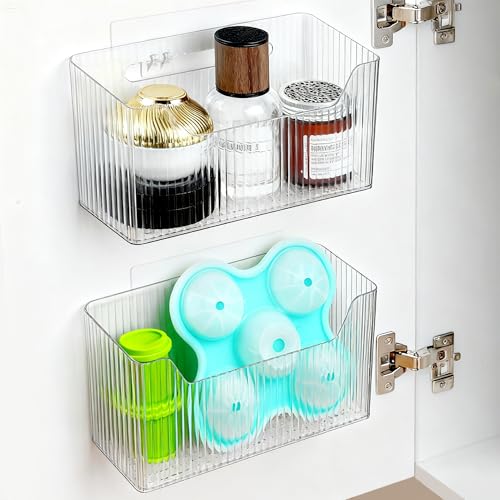
Designed for Inside Cabinet Door Storage: This cabinet door organizer is specially designed to hang inside cabinet doors, creating instant storage for bathroom or kitchen essentials. Keep items hidden yet easily accessible.

Spacious & Smart Organization: Tired of tangled jewelry, the DUMOS wall or door-mounted jewelry organizer is your ultimate solution. Effortlessly organize earrings, necklaces, rings, bracelets, and makeup tools. Features include 33 necklace hooks, 40 earring holes, 75 earring slots, 1 large ring pad, 1 bracelet bar, 4 shelves, and 2 bottom drawers. Finally, find what you need in seconds – no more morning chaos

【Versatile Multi-use Storage Solution】Sinnsally cabinet door storage organizer is great for storing and organizing food container lids, tumbler lids, scrub brushes and other kitchen essentials. Ideal for small homes, bathroom, RVs, or apartments. It is a versatile storage solution that can be used in a variety of ways.
3. Over-the-sink Shelf
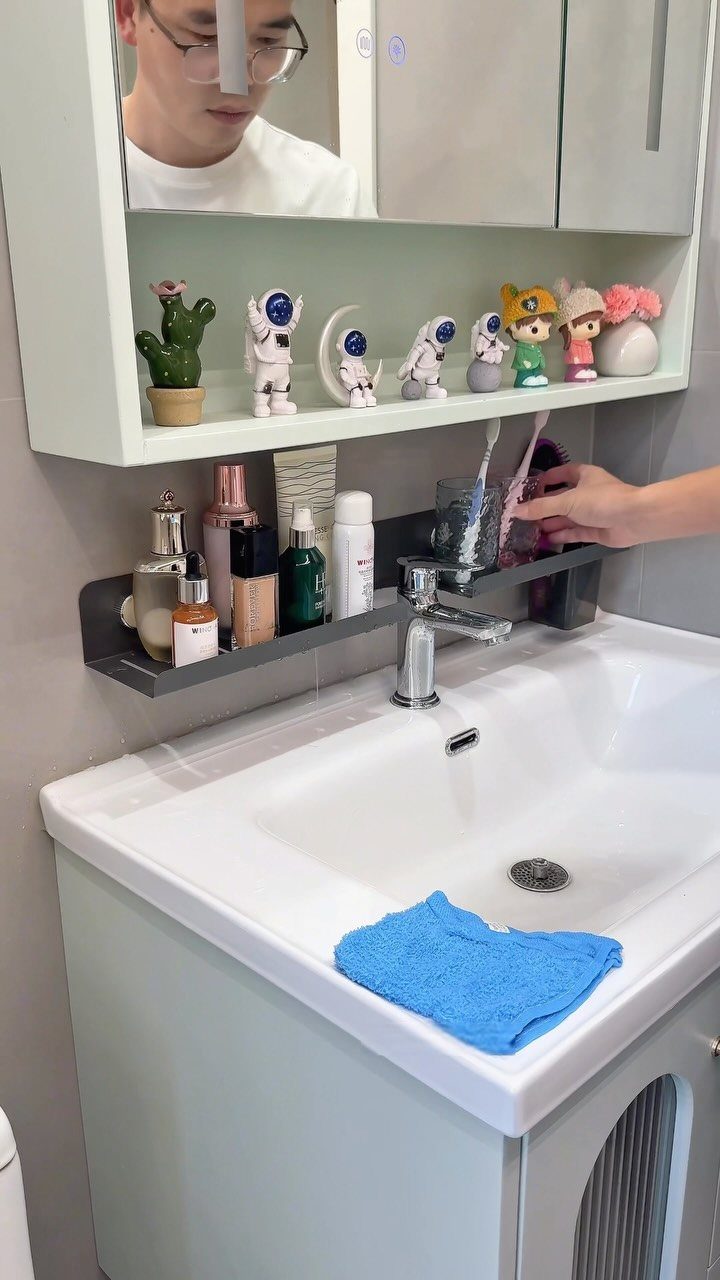
An over-the-sink shelf uses the gap between faucet and mirror that most bathrooms leave empty. The dark, narrow shelf sits just high enough to clear the tap, which is the critical measurement.
I would mount it well above the faucet deck, never lower, or you are bumping knuckles every time you wash. Check that your mirror does not interfere; a medicine cabinet sitting beside, not behind, makes the layout work.
If your mirror is centered and large, this idea may not fit without relocating it, and that is usually more work than the shelf is worth.

𝐄𝐱𝐩𝐚𝐧𝐝𝐚𝐛𝐥𝐞 & 𝐒𝐭𝐚𝐜𝐤𝐚𝐛𝐥𝐞 𝐃𝐞𝐬𝐢𝐠𝐧: The adjustable small narrow tall shelf measures 13.78 * 3.54* 7.48 inches(35 * 9 * 19 cm). The length of this cabinet organizer can be adjusted from 13.78" to 23.62" (35-60 cm)depending on how you want to arrange your space.

Say Goodbye to Countertop Clutter: Transform the unused space above your sink into a dedicated storage area. Keep essentials like toiletries, sponges, and soap within easy reach while freeing up valuable counter space for a tidier, more organized home

Strong and Durable Adhesive Shelf: Only for tile (non-cracked), glass, mirror, polished metal, stainless steel and acrylic. Do Not apply to grout lines. Not for use on painted/drywall, wood, wallpaper or any other rough/cracked surface. Please install carefully according to the instructions and pictures, if there is any problem during the first installation, you can re-install with a replacement adhesive
4. Rolling Cart
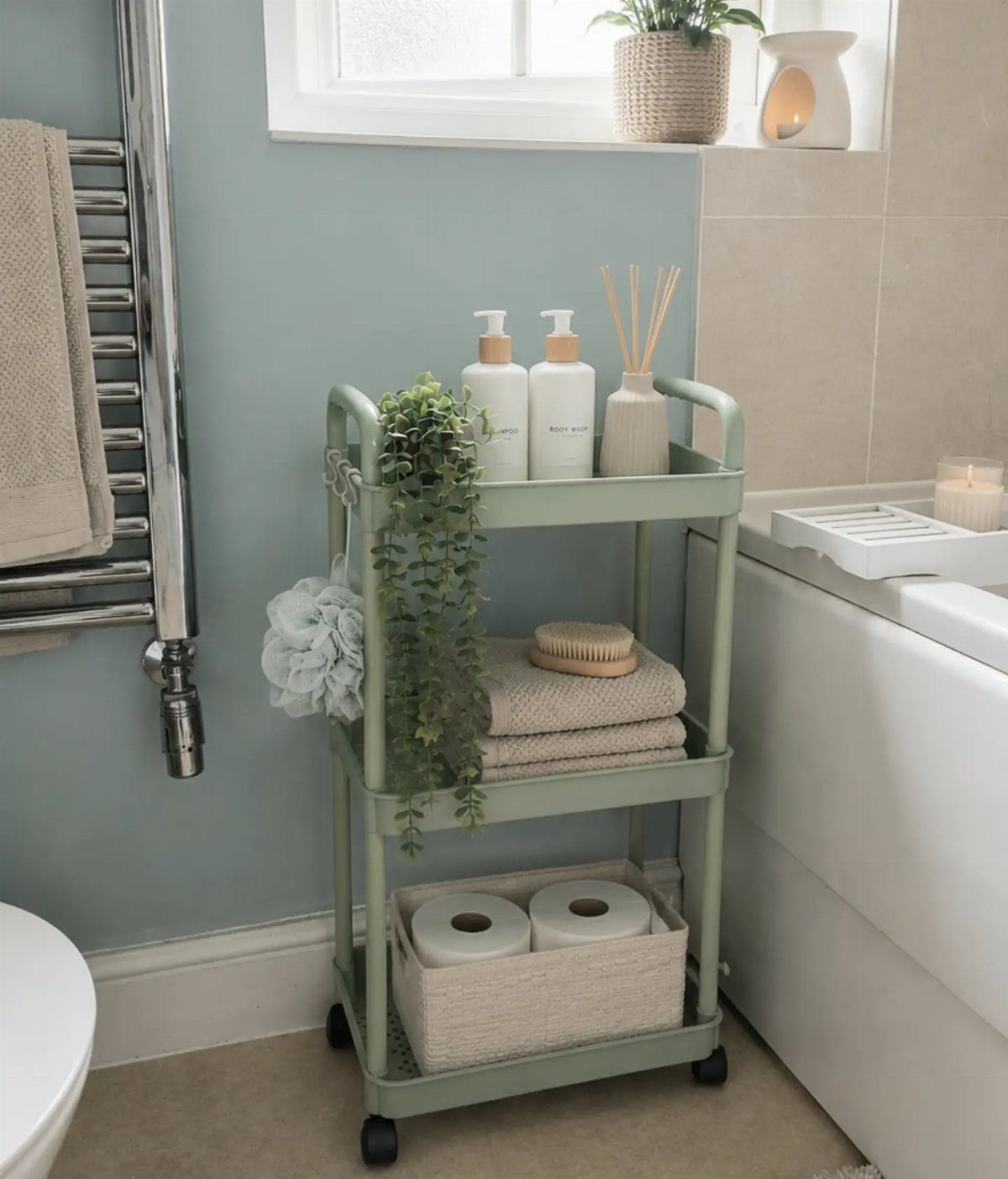
A rolling cart brings storage where you need it and moves away when you do not. A pale green three-tier cart fits between radiator and tub, a zone most bathrooms treat as dead space.
I would check floor clearance first; casters need hard flooring to roll smoothly, and a thick bath mat will snag them every time.
Metal with a powder coat handles humidity better than wood. For a rental, this is one of my go-tos: no mounting, no holes, and it rolls into a closet when you need the floor clear for cleaning.

【Flexible 4 Tier Storage Cart】- The 4-tier slim storage cart is 4.75 in design which can be used in tight spaces in your home for storage. Suitable for closets, kitchens, bathrooms, garages, laundry rooms, offices or in-between your washer and dryer.

Flexible Slim Storage Cart: The bathroom rolling utility cart is equipped with 360°rotating wheels, the storage cart can be moved to any corner of the house to store items. You can flexibly use it for storage in office, bathroom, laundry room, kitchen, narrow places,etc

【Flexible 4 Tier Storage Cart】- The 4-tier slim storage cart is 4.75 in design which can be used in tight spaces in your home for storage. Suitable for closets, kitchens, bathrooms, garages, laundry rooms, offices or in-between your washer and dryer.
5. Stool as a Side Table
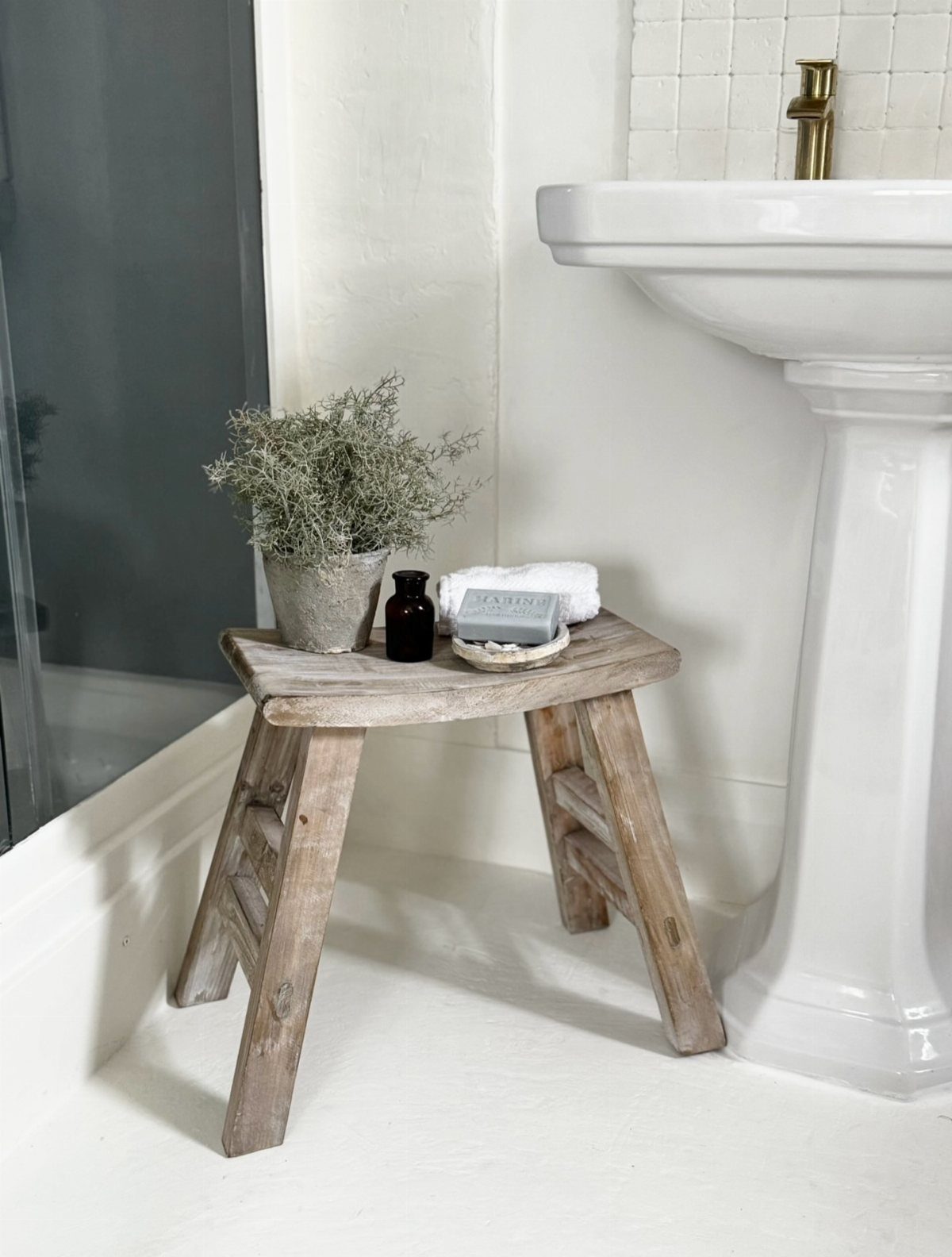
A wooden stool beside a pedestal sink gives you a surface where the builder gave you none. A rustic piece holding a plant, soap, and a rolled towel still looks spare with 3 items, which is the point.
I would choose a stool roughly seat height, so it sits level with the sink rim and you are not reaching down.
Check the foot width; a tripod base stays steadier on tile than small casters. The tradeoff is floor space, and in a bathroom under 40 square feet I might skip it for a wall solution instead.

Sealed and 100% Waterproof: VEVOR shower bays use XPS extruded foam board, cement mortar, waterproof coating triple waterproof substrate, 100% sealed and waterproof, which not only can protect the wall and extend the service life of the wall but also effectively prevent water penetration into the wall, keep the indoor dry and sanitary. Note: This product is not ready for direct use. Surface layer, such as tile, must be applied to the surface before use!!!
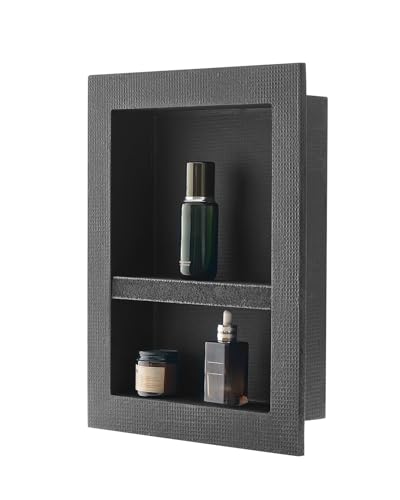
Sealed and Waterproof: The insert shower niche uses a triple-layer waterproof base of XPS foam board, cement mortar, and waterproof coating, ensuring 100% sealing. It safeguards walls from wet and humidity, extending their lifespan and avoiding water penetration, keeping interiors dry and hygienic. Note: This product needs to be used in conjunction with waterproofing materials, not on its own!!!!

Sealed and 100% Waterproof: VEVOR shower bays use XPS extruded foam board, cement mortar, waterproof coating triple waterproof substrate, 100% sealed and waterproof, which not only can protect the wall and extend the service life of the wall but also effectively prevent water penetration into the wall, keep the indoor dry and sanitary. NOTE: This product is not ready for direct use and requires the application of protective materials, such as tiles, on the surface before use!!!
6. Bathroom Vanity Canister
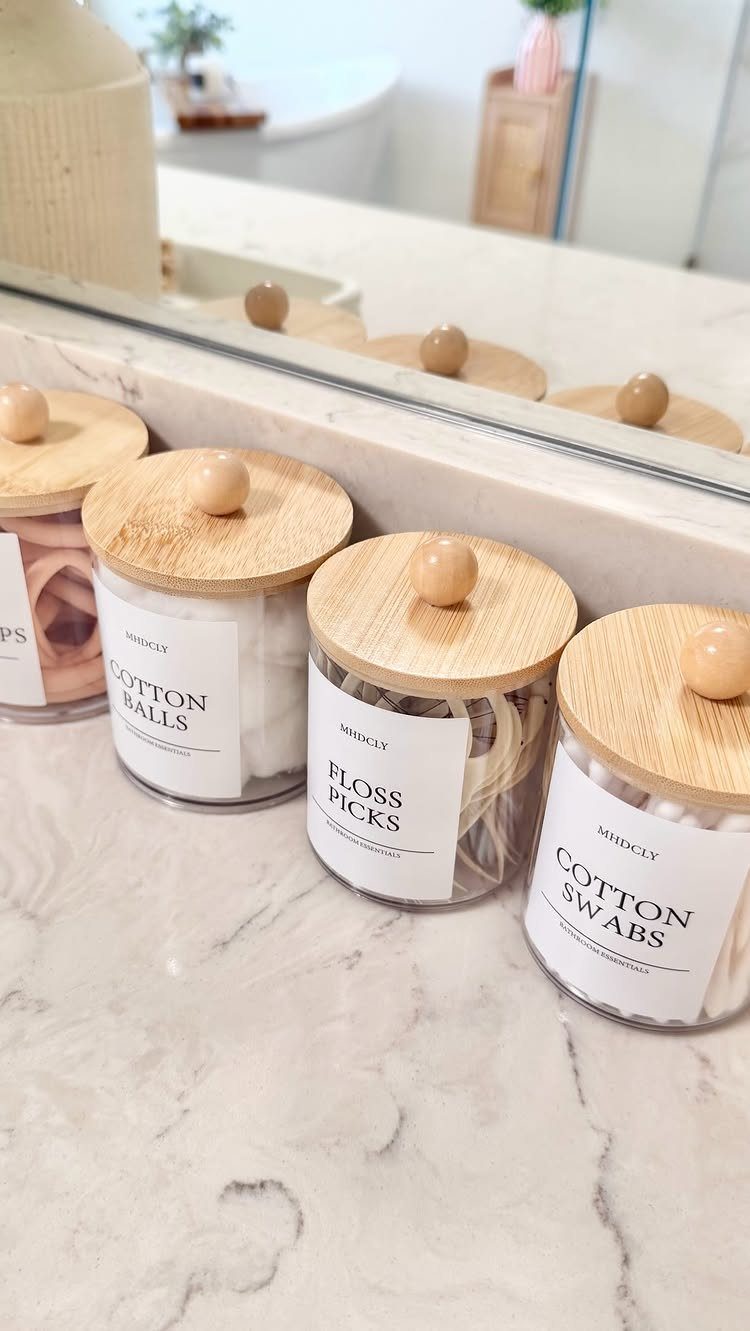
Clear canisters with wood lids turn loose cotton balls and floss picks into something you do not mind leaving out.
Labels that read exactly what is inside matter more than they sound; unlabeled canisters become junk drawers you can see into.
The real decision is what goes inside. I reserve these for daily-use items you reach for with wet hands; anything you grab once a week belongs in a drawer, not on display.


【SPACE SAVING & LOOK NEATER】 4 pack acrylic shelves for wall provide multi-layer storage, allowing you to utilize wall space more efficiently. You can conveniently store everything while keeping your room organized. It's a great space-saving wall organizer!

Item Includes 19 Pcs - 3 pack clear acrylic qtip holder dispensers with black lids(10oz) + 8 black labels with white pre-printed words (Cotton Balls, Cotton Swabs, Cotton Pads, Floss Picks, Bath Salt, Hair Accessory, Clips, Makeup Brush) + 8 black blank labels
7. Hooks for Towels
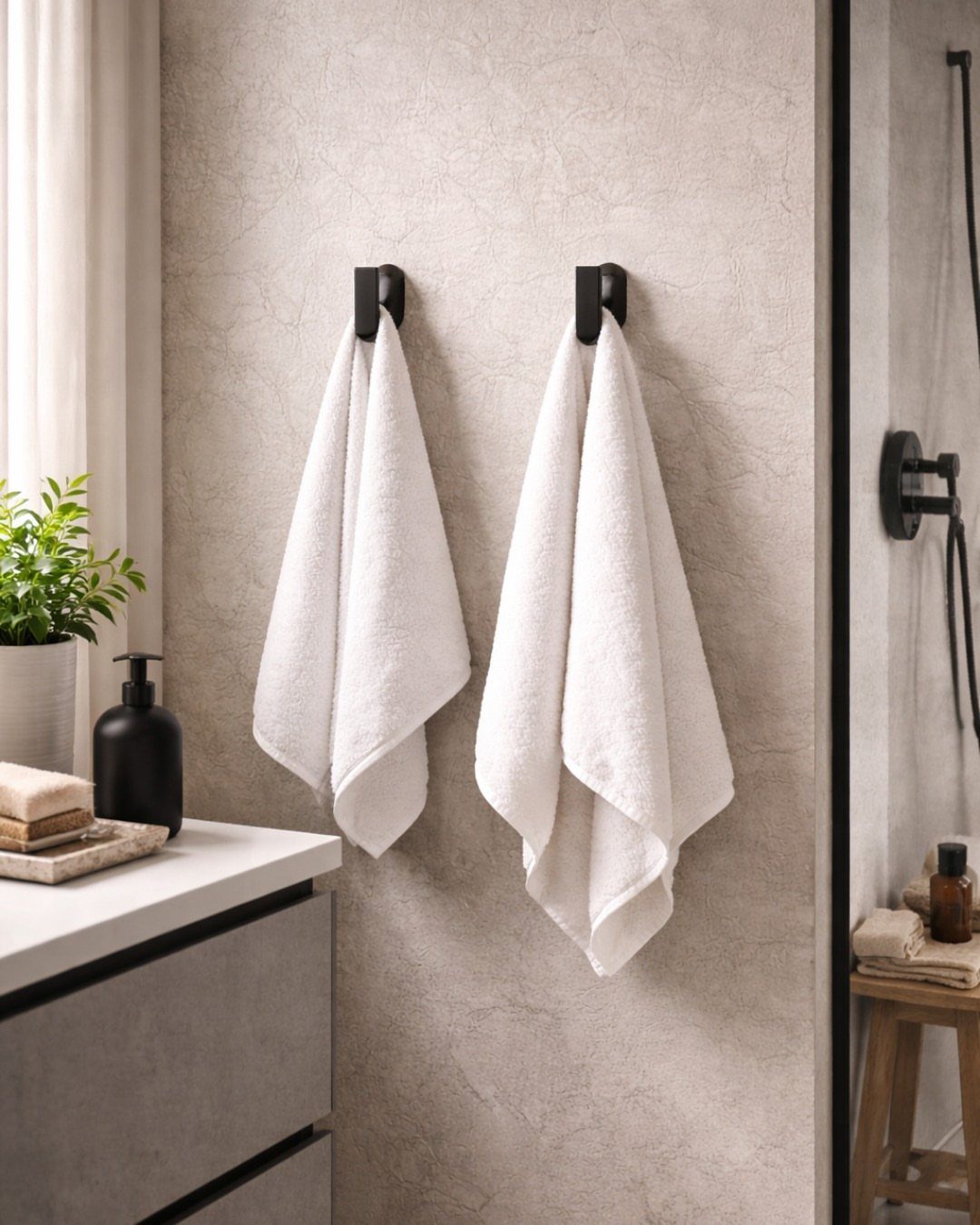
2 black hooks on a textured wall keep towels off the counter and off the floor without needing a bar’s horizontal run.
I would mount them at a height where the towel tail clears the vanity top; too low and the fabric sits in splashes.
Check your wall first.
Tile needs a masonry bit and plastic anchors; drywall wants toggle bolts if there is no stud. Space hooks wide enough apart that towels dry without overlapping; in a humid bathroom that matters more than it sounds.

[Important Note] Please measure before ordering: Inside Depth: Requires > 4.5" Cabinet Door Width: MUST be wider than 12" Door Fit: Fits door thickness ≤ 1.1" with a door gap > 1/8"
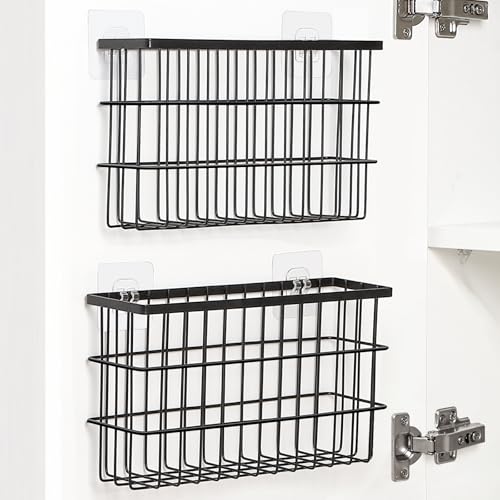
【Versatile Multi-use Storage Solution】Sinnsally cabinet door storage organizer is great for storing and organizing food container lids, tumbler lids, scrub brushes and other kitchen essentials. Ideal for small homes, bathroom, RVs, or apartments. It is a versatile storage solution that can be used in a variety of ways.
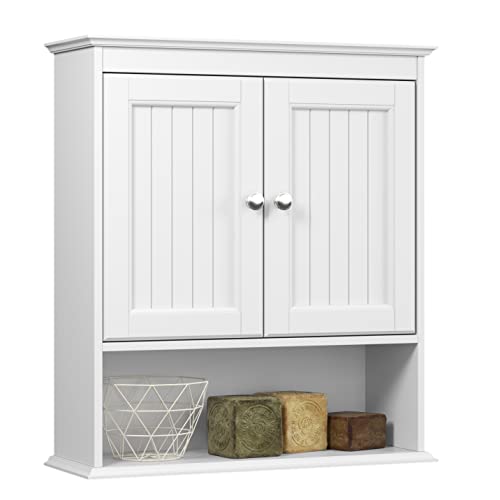
QUALITY AND CLASSIC WALL CABINET: Constructed of FSC-certified engineered wood, the bathroom medicine cabinet with decorative beadboard paneling and silver knobs is built to ensure great stability and durability.
8. Wall-mounted Dispensers
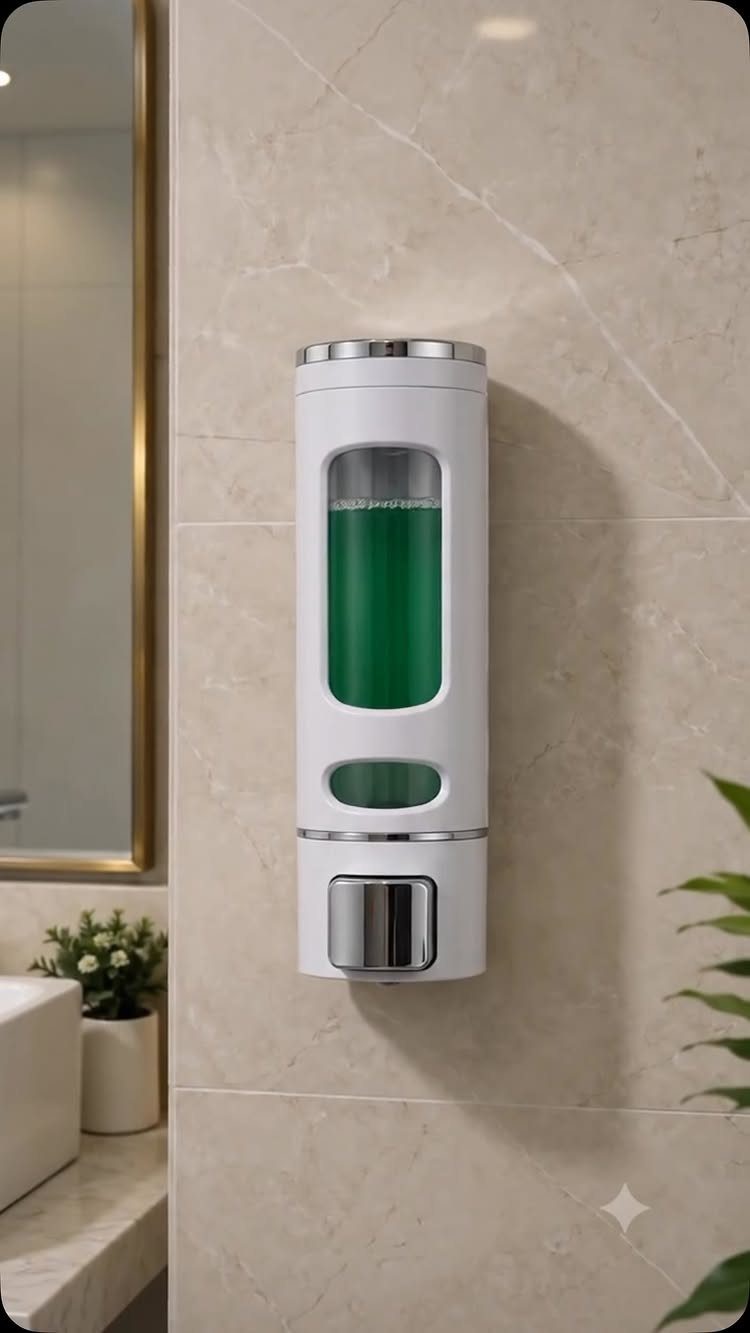
A wall-mounted dispenser moves soap or lotion off the counter and onto the wall where the mirror meets the tile. A wall-mounted dispenser sits flush enough that it does not catch elbows during a face wash.
Refill access is the detail to check. A top-fill design needs clearance above; a bottom-fill needs you to reach underneath while it is mounted.
I would install it close to the sink edge but not directly over it, or drips stain the basin rim. In a rental, the small holes are easier to patch than a shelf bracket’s, but still plan for spackle later.

Telescopic Structure: With its compact footprint of 15.35"L x 3.54"W x 8.66"H (39x9x22 cm), this shelf is ideally suited as a window shelf for plants in narrow, underutilized spaces like windowsills. Its length can be fully extended to 25.98 inches (66 cm), offering significantly expanded surface area while maintaining full stability to adapt flexibly to your evolving storage needs.

8.5" faucet clearance. Please measure your faucet! (9.25 total shelf height). Maximize Precious Counter Space: Instantly create more space with this over sink shelf organizer, over the sink organizer perfect for bathrooms, kitchens, or any narrow surface. Above sink organizer helps declutter countertops while keeping essentials within reach.

[Utility Design] Our over the toilet storage shelf features three open shelves and 1 storage basket, along with 3 removable hooks and a toilet paper holder, providing ample storage space. The compartment below the basket helps organize your toilet, washing machine, dirty clothes cart, and other large items.
9. Over-the-Toilet Storage Rack
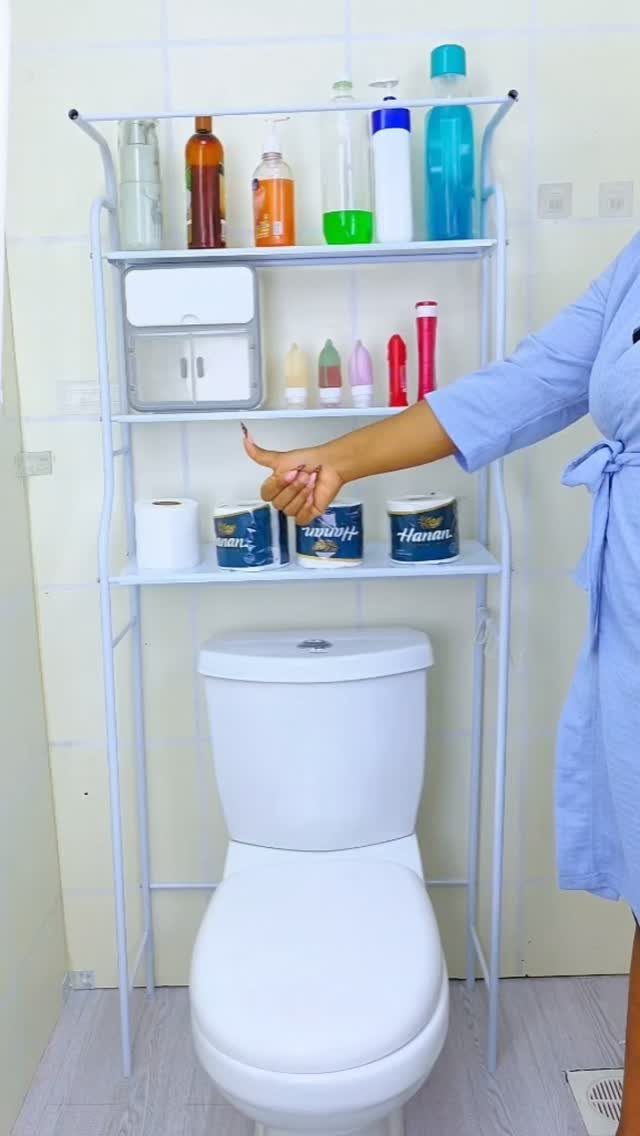
A white metal three-tier rack over the toilet turns the dead zone above the tank into storage for bottles, spare paper, and backups you do not need daily. A slim frame does not crowd the seat.
Measure tank height and lid clearance before buying. A rack too deep blocks the flush handle or forces you to lean forward; too tall and you are bumping it standing up.
I would anchor the top to the wall if the unit allows it, or it rocks when you grab toilet paper. Powder-coated metal handles humidity better than painted wire.

Maximize every inch of your space:Measuring 4.9" W × 15.3" D × 26.1" H, slides perfectly into narrow gaps between the toilet and sink, refrigerator and counter, or washer and wall. Its smart tiered design : the bottom layer accommodates taller items up to 12.5 inches in height, while the middle layer is perfect for daily essentials under 9.2 inches, ensuring a spot for items of all sizes. Combined with 360-degree swivel casters, it effortlessly tackles organization throughout your home.

1.Gap Storage Expert: 4-Tier Intelligent Height Differential Design:(4.9"W x 38.7"H x 15.3"D)Engineered for modern compact living! With its slim 4.9-inch profile, this organizer fits perfectly into narrow gaps between furniture and appliances. Its core advantage lies in the innovative four-tier height differential design: the lower two tiers provide generous 12.5" , while the upper two tiers feature an optimal 9.2" height . One unit accommodates all sizes, maximizing vertical space utilization.

1.Gap Storage Expert: 3-Tier Intelligent Height Differential Design:(8.6"W x 26.1"H x 15.3"D)Engineered for modern compact living! With its slim 8.6-inch profile, this organizer fits perfectly into narrow gaps between furniture and appliances. Its core advantage lies in the innovative height differential design: the lower tier provide generous 12.9" , while the upper tier feature an optimal 9.2" height . One unit accommodates all sizes, maximizing vertical space utilization.
10. Recessed Wall Niche
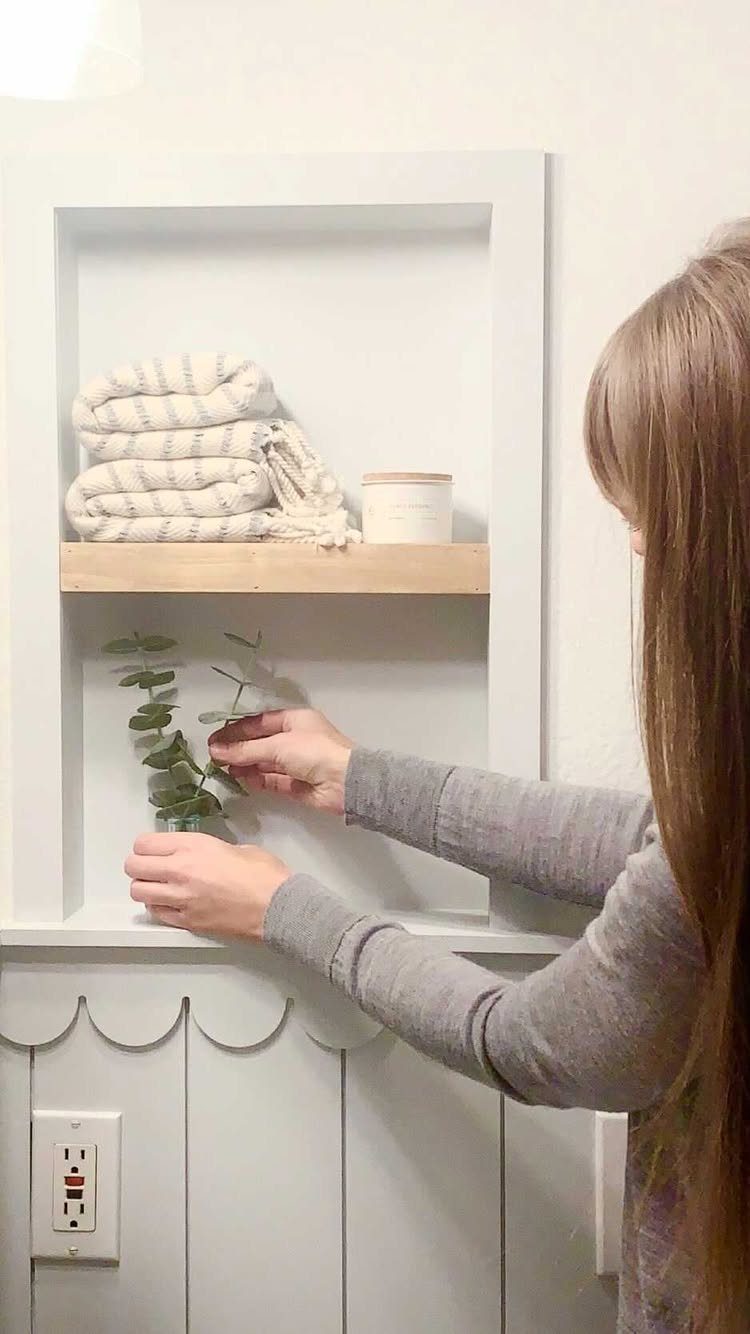
A recessed niche with a wooden shelf stores folded towels and small jars inside the wall itself, so nothing protrudes into the room. Beadboard surrounding a niche shows this was planned during a remodel, not added after.
This is only an option if your wall has the depth. Standard 2×4 framing gives you little depth once you subtract drywall and tile; a 2×6 wall or an exterior wall with plumbing inside offers more.
I would line the niche with the same tile as the shower surround for continuity, or use a contrasting wood as the photo does. Either way, waterproof the back and slope the sill slightly so water runs out, not in.

【Generous Storage Space】 The 24" x 12" shower recessed shelf offers ample room to organize all your shower essentials like shampoo, conditioner, soap, and loofah, keeping your bathroom tidy and clutter-free.


SIMPLE INSTALLATION - Insert Into / Snap Onto Cement Board Installation. Pre-fabricated shower niche that is fully sealed, hassle-free, quick and easy installation; makes traditional tedious shower niche installation effortless!
11. Under-Sink Tiered Organizer
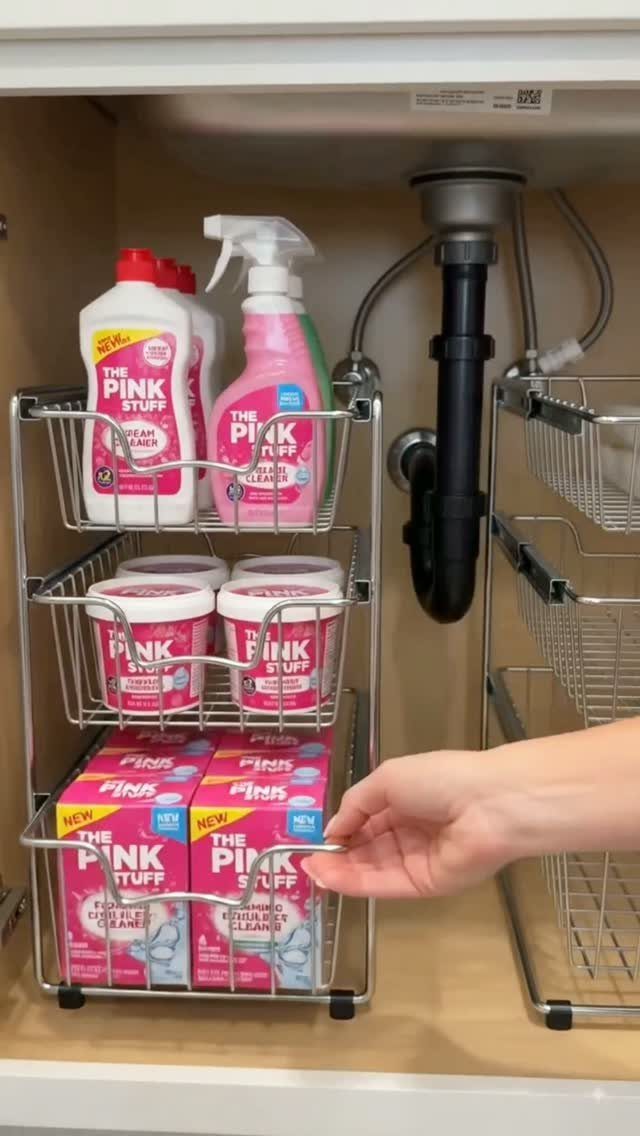
A three-tier wire pull-out under the sink wraps around the drainpipe and puts cleaning supplies in reach without unpacking the whole cabinet. A tiered organizer needs baskets deep enough for your tallest bottles.
Before you buy, photograph your plumbing. A P-trap centered low leaves more room than one offset toward the back; a garbage disposal on a kitchen sink, if you are adapting this idea there, kills half the width.
Check that the slides clear the cabinet door swing, or you are pulling out the rack and then opening the door wider to get it past.
12. Freestanding Bamboo Shelving Unit
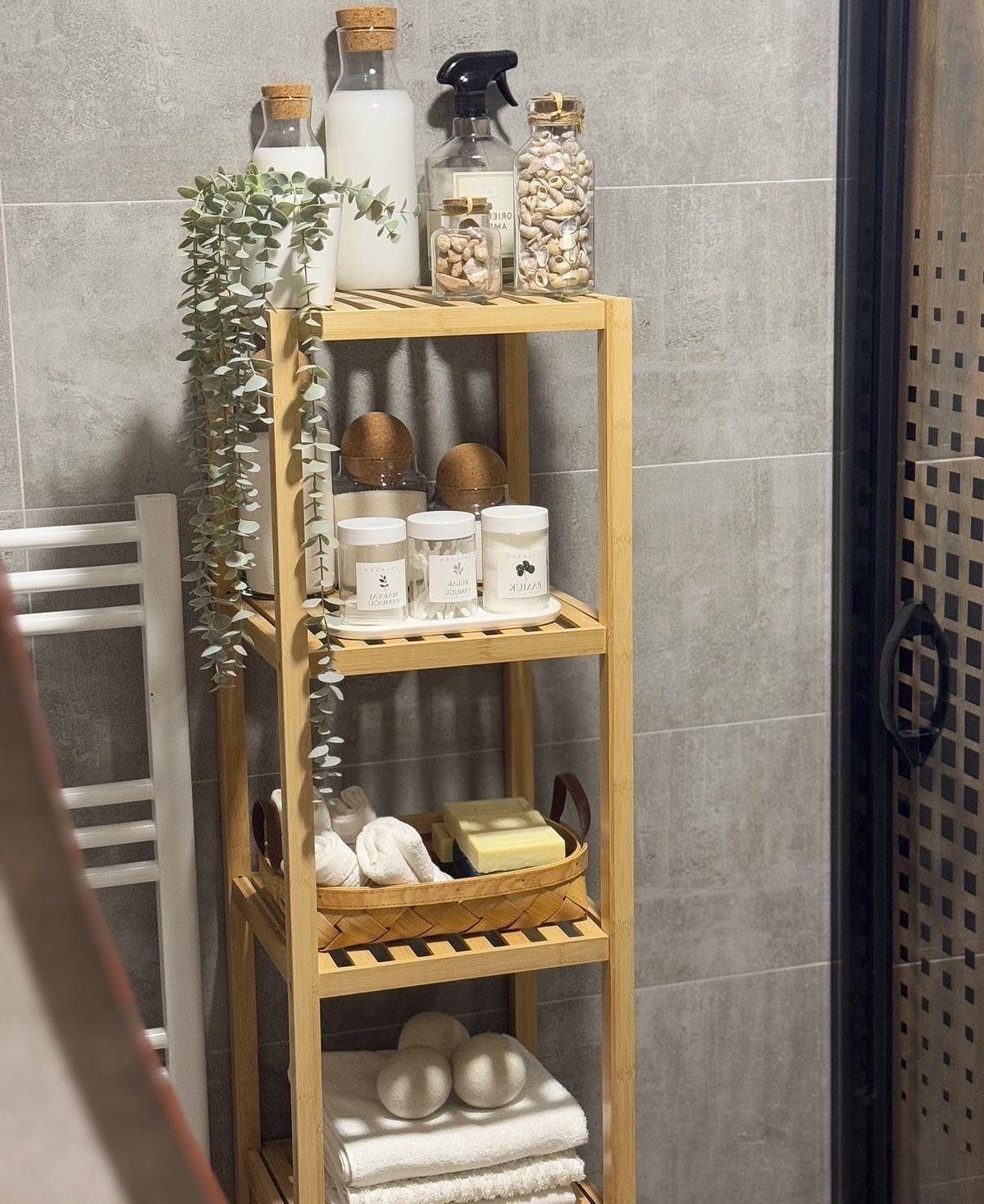
A slim bamboo four-tier unit stands against the wall and holds towels, jars, and a basket without a single screw into tile or drywall.
Bamboo swells in sustained humidity, so I would keep this out of the direct shower spray and run the exhaust fan.
The footprint is narrow enough for beside-the-vanity placement, but check the height against your mirror or light fixture. For a rental, this is the freestanding answer to the niche you cannot build.
Keep Counters Clear
Only store what you actually use in the bathroom. Hair ties, jewelry, and spare change migrate there over time, and each item left out costs you inches of counter you do not have.
I would do a full sort of drawers and cabinets once a season, relocating anything that does not belong.
Clearing the drawers first makes room for the items you are leaving out.
When everything has a drawer home, the counter becomes a workspace again, not a storage surface. I check mine weekly; it takes almost no time and keeps the clutter from creeping back.
Simple containers beat elaborate systems. Sort first, buy second, so you know what size you actually need.
One clear reason counters stay messy is that people want quick access, but too many items out means nothing is quick to find. A few labeled canisters for daily items, everything else below eye level, and the room stays usable.
Maximize Vertical Space
Wall space above the toilet and alongside the mirror is usually empty, and that is where I would look first when floor space is gone. Floating shelves there add storage without changing the room’s footprint at all.
Match the shelf finish to your hardware if you want the look to hold together; mixed metals or clashing wood tones read as afterthought in a small space.
I would keep lower shelves for what I reach for daily, upper shelves for backstock or the one plant that survives humidity.
For a tub with no ledge, a teak caddy across the rim gives you a narrow shelf for display-worthy bottles and soap.
It lifts them off the counter entirely, and the wood handles wet conditions better than most finishes. It only works with a standard tub shape; on a freestanding or clawfoot model, it will not sit steady.
Use Decorative Storage
Baskets hide bulk without looking like storage. I would use them for toilet paper rolls, small appliances, or anything with a cord that otherwise tangles on a shelf.
Woven or geometric shapes add texture; the bathroom in the Nashville example uses one shaped piece that reads as decor until you need a towel.
A basket that fits what it holds makes the difference between storage that looks intentional and storage that looks like clutter.
Too large and it becomes a dumping ground; too small and the contents spill over the edge. I measure the spot first, then the items, then buy.
Attractive storage only works if you actually close it.
An open basket with a half-used bottle sticking out looks worse than no basket at all. I reserve lidded or tall-sided baskets for the messy stuff, open weave for folded towels or full rolls where the contents look intentional.
Just because you’re working with a small bathroom, doesn’t mean your storage can’t be on point.
Frequently Asked Questions
How much space do you need for a small full bathroom?
At under 40 square feet, floor space becomes the first thing to protect, which is why I would mount storage to the wall rather than lose square footage to anything that stands beside the sink.
Every inch has to earn its keep, which is why vertical storage and recessed niches become essential rather than nice-to-have.
What are some good storage ideas for a small bathroom?
Floating shelves and over-the-toilet racks are the ideas I return to most often because they add storage without eating floor space, and for items that can move, a rolling cart tucks away when you need the floor clear.
Wall-mounted dispensers and door-mounted cabinets also work well because they use zones most bathrooms leave empty. I would match shelf finishes to existing hardware so the additions read as planned, not afterthought.
What to do when you have no bathroom counter space?
Install floating shelves above the vanity and a wall-mounted dispenser for soap or lotion; both move daily items off the surface entirely.
The stretch above the sink and below the mirror is often dead air; a shallow shelf there turns it into storage for the handful of items you use every morning.
I would also clear the counter of anything you do not use with wet hands and relocate it to a drawer, which restores the surface as workspace rather than storage.
How to decorate a bathroom countertop?
Start with clear canisters that have wood lids and exact labels, which turn loose items into something intentional enough to leave out.
Countertop real estate is too scarce to treat like a display shelf; in my own routine, only what I touch with wet hands earns a spot above the rim, and everything else drops to a drawer or open bin below.
